
Ever wondered if frogs bring luck in Chinese culture? Turns out, they really do. Frogs—especially the famous Three-Legged Money Frog, or Chan Chu—stand out as powerful symbols of wealth and good fortune. People love to keep frog figurines at home or at work, hoping to attract prosperity and keep their money safe.
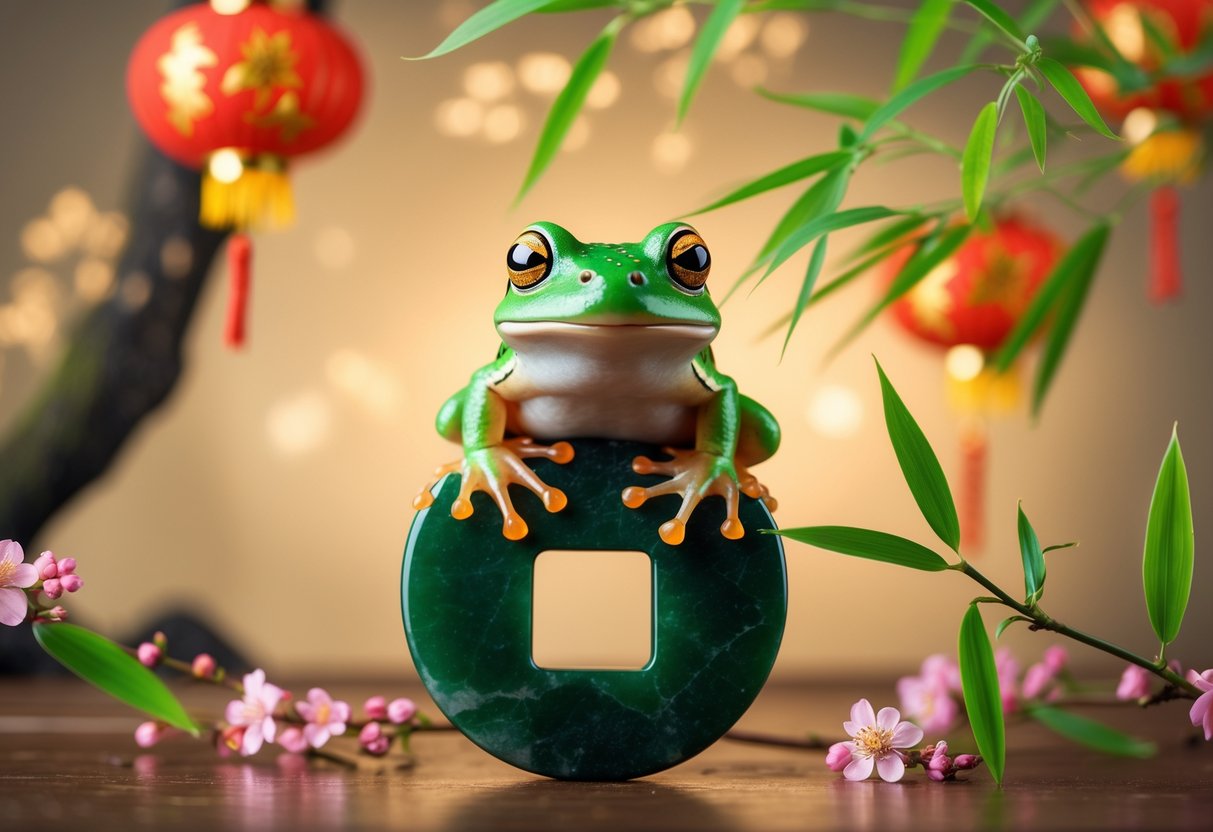
In Chinese culture, frogs also stand for transformation, healing, and the balance between yin and yang. You’ll spot frogs in art, festivals, and plenty of stories that dig into these deeper meanings.
Learning about these lucky frogs might give you a new way of looking at traditions you’ve seen around you for years.
So, how did a simple frog end up as such a strong luck symbol? Let’s dive into the reasons frogs hold this special place in Chinese culture and how you might bring their good vibes into your own life.
Symbolism and Meanings of Frogs in Chinese Culture

Frogs carry a bunch of special meanings in Chinese culture. People tie them to ideas about wealth, health, change, and stories that teach lessons.
Getting to know these symbols helps you see why frogs are so lucky and respected in different traditions.
Prosperity and Wealth Symbolism
In China, frogs and prosperity go hand in hand. The most famous example? The Three-Legged Toad, or Chan Chu.
You’ll often see this frog with a coin in its mouth, perched on a pile of gold. Folks put out this figure during Lunar New Year to draw in money and good luck.
Frogs, people believe, bring positive energy—chi—into homes and businesses. Farmers especially value frogs since their presence means rain is coming, which is a must for a good harvest.
This link to rain and fertility connects frogs with abundance and growth.
Good Fortune and Healing
Frogs stand for good fortune in many Chinese traditions. People see them as lucky animals that can spark positive change.
Besides money, frogs also symbolize fertility, so they often pop up in stories about family and renewal.
Traditional medicine even uses frogs or their images for healing. Some old remedies call on frog symbols to boost health and balance.
This healing side fits right in with their connection to chi and life force, nudging you to stay strong and well.
Transformation and Lunar Yin
Frogs show what transformation looks like, thanks to their wild life cycle. From egg to tadpole to adult, they really embody change and growth.
This mirrors Chinese philosophy, which values resilience and rolling with life’s changes.
You’ll also see frogs tied to lunar yin energy. The moon and water stand for softness, reflection, and nurturing.
Frogs fit right in here, with their nighttime croaking and ties to rain. It’s a reminder to respect nature’s cycles and the changes that come with them.
Legends, Moral Lessons, and Folklore
Chinese fairy tales and folklore love to feature frogs. One classic story tells of a frog that brings rain to farmers during a drought.
That tale paints frogs as symbols of kindness, teamwork, and the balance between people and nature.
There’s also the story of a frog in a well, which warns against narrow thinking. It nudges you to stay open to new ideas and step outside your comfort zone.
Frogs in these stories often stand for transformation and the rewards that come with growing and changing.
For more on the role of frogs in Chinese traditions, check out this detailed article on frog symbolism in Chinese culture.
Feng Shui Practices and Frog Figurines

In feng shui, frog figurines are all about attracting wealth, success, and good chi (energy). How you use them—especially the money frog—can really affect their power.
The style and placement of these frogs matter if you’re hoping to bring good fortune into your space.
Three-Legged Money Frog (Chan Chu)
The three-legged money frog, called Chan Chu or ch’ing-wa sheng, is a big deal in feng shui. It usually clutches a coin in its mouth, which signals wealth coming your way.
This frog is supposed to protect your money and open doors to new financial chances.
You’ll spot the money frog as a bronze or jade figurine, one leg lifted, ready to leap toward prosperity. Its three legs stand for the connection between heaven, earth, and humankind—something feng shui says is vital for balanced chi.
Keep your money frog clean and in good shape to keep its energy strong.
Proper Placement and Feng Shui Tips
Placement really counts with feng shui frogs. For the best luck, put it near your main door or entryway, but make sure it faces inward so wealth comes inside.
Don’t put frogs in bathrooms or kitchens, though—water there can wash away the good luck.
If you have a home office, setting the frog on your desk might boost your financial success and help you make better decisions. Give your frog a gentle cleaning now and then to keep bad energy away.
One frog usually does the trick, but some people use three for an extra punch of wealth energy.
Frog Figurines in Chinese Traditions
Frog figurines go way back in Chinese culture, and their meaning stretches far beyond just feng shui. People have tied them to old myths and stories about prosperity, fertility, and even transformation.
Some legends say frogs acted as messengers for the goddess Kuan Yin. She stands for mercy and abundance, so that’s kind of a big deal, right?
You’ll spot frogs in traditional Chinese art and during celebrations too. Folks use them as symbols of renewal and protection.
These little figurines nudge you to balance your space and invite in some good vibes. Whether you pick bronze, jade, or ceramic, each frog links you to these deep cultural roots.
If you’re curious about the three-legged money frog and its feng shui reputation, check out fengshuimood.com’s article on feng shui frogs.


