
It’s always a bit of a thrill to spot a frog hopping around your garden. Maybe you’re tempted to scoop it up and keep it as a pet, but should you?
Honestly, it’s almost always better to leave wild frogs where they are. They belong in your local ecosystem, and they really do best when they’re free.

Frogs need the right environment—clean water, lots of insects, and space to hide. If you move them, you can stress them out or even harm them. Most frogs will try to find their way home anyway.
If you want to enjoy frogs, try making your garden more inviting for them instead of keeping them inside.
Curious about what to do if you find an injured frog or want to help them out? Knowing a few basics can help you look after both the frog and your garden.
Let’s dig into what you should know about frogs you find outside.
Should You Keep a Frog Found in Your Garden?

If you spot a frog in your yard, maybe you think about keeping it as a pet. But before you do, there’s a lot to consider—laws, the frog’s health, and a few risks you might not expect.
Legality and Wildlife Regulations
Lots of places protect frogs and toads by law. You usually can’t just collect them from the wild for pets without some sort of permission.
Taking frogs from nature can break local wildlife laws, so it’s not worth the trouble.
You shouldn’t buy or sell wild amphibians either, since that’s usually illegal. Pet stores sell captive-bred frogs, but wild ones really should stay wild.
If you find a frog in a dangerous spot, move it gently to a safe, shady place nearby—under some plants or maybe a compost heap. Otherwise, just let it be.
Welfare and Ethical Considerations
Frogs and toads really need specific conditions to stay healthy. They spend a lot of time out of water, but they still need damp, cool places and plenty of insects.
Wild frogs get stressed in captivity, especially if you can’t copy their natural home perfectly. Most don’t do well in small tanks or on the wrong diet.
If you want to help, try making your garden more frog-friendly—add some damp shelters and leafy plants. That way, they can stick around and thrive on their own.
Potential Risks and Challenges
Frogs sometimes carry diseases that could spread to other animals or even people. The more you handle them or keep them close, the higher the risk.
Some toads have toxins that can make pets sick if they bite or lick them. It doesn’t happen often, but you never know with curious dogs or cats.
Frogs might also bring in parasites or pests if you move them indoors. They need space and clean conditions, or they can get sick.
If you must move a frog from danger, just place it somewhere safe and damp nearby. Try not to keep it as a pet.
Caring for Frogs and Toads: Important Considerations
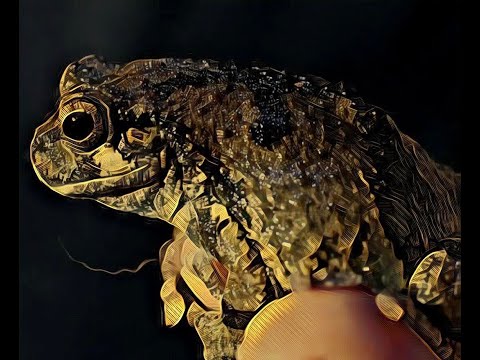
If you decide to help out a frog or toad you found, you’ll need to know what keeps them healthy. That means thinking about their habitat, what they eat, and how they fit into your yard.
It also helps to know the differences between frogs and toads, since their needs aren’t exactly the same.
Understanding Amphibian Needs
Frogs and toads need moist places because their skin dries out easily. You’ll want to set up a habitat with water, like a shallow pond or even just a dish.
They also need places to hide—think logs, piles of leaves, or stones—so they feel safe.
Feed them live insects, like worms, flies, or crickets. Tadpoles are a bit different; they mostly need clean water and algae or special tadpole food.
Amphibians are really sensitive to chemicals, so skip the pesticides and soaps around their home.
Species Differences: Frogs vs Toads
Frogs usually have smooth, wet skin and hang out near water, especially when it’s time to breed. You’ll spot their eggs in clumps.
Toads look a little different—they’ve got rougher, drier skin and spend more time on land, hiding under logs or in garden debris.
Common toads come to ponds just to breed, then head back to dry ground. Their eggs show up in long chains.
You can tell frogs and toads apart by their shape and skin. Knowing which is which helps you set up the right habitat for each.
Impact on Local Ecosystems
When you keep wild frogs or toads, you actually change the local ecosystem. Taking them away means fewer amphibians around to eat pesky insects.
If you move frogs or toads somewhere new, you might accidentally spread diseases or mess with the balance of native wildlife. That’s something people don’t always consider.
Want to help them out? Try making their natural space better—add a pond, toss in some log piles, or plant a few native plants. These simple changes give them shelter and more food.
Honestly, it’s not a great idea to use chemicals to keep frogs away. Chemicals can hurt the frogs and other creatures living nearby.
If you’re curious about helping frogs and toads in your yard, check out this detailed guide on caring for frogs and toads.


