
You can keep a frog alive in a jar, but only for a short while. Set up a safe, temporary home with fresh air, water, and a few natural touches like moss and twigs. That way, your frog stays healthy until you move it to a bigger space or let it go.

Punch holes in the lid so the frog can breathe. Pour in a little water, but don’t flood the whole bottom.
Toss in some gravel and a few plants to make the jar feel more natural. Feed your frog small live insects every couple of days to keep it healthy.
Caring for a frog in a jar can teach you a lot about animals and why it’s important to respect their needs. If you want your frog to stay safe and calm, you’ve got to set up the jar the right way. If you’re curious, you can read more about building a good temporary home for your frog here.
Creating a Safe Temporary Environment in a Jar
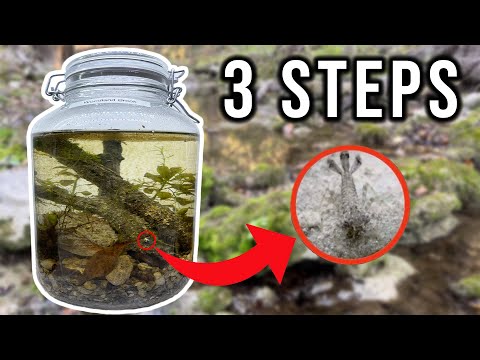
To keep your frog safe in a jar, pick the right container size, add hiding spots, and pay attention to temperature and moisture. Each part helps your frog stay healthy and less stressed while it’s in there.
Selecting a Suitable Jar and Lid
Go for a large jar with a wide mouth so your frog can move around. Glass or clear plastic jars work best since you can clean them easily.
Before you add your frog, wash and dry the jar and lid well.
Use a hammer and nail to punch 6–8 small holes in the lid for air. Spread the holes out evenly so the frog gets enough air but can’t escape.
Keep the holes small so your frog won’t squeeze through.
Setting Up Substrate and Hiding Spots
Pour a layer of gravel at the bottom for drainage. This stops water from pooling under the other stuff.
Add damp sphagnum moss or a few small ferns on top. They keep things humid and give your frog a soft spot to rest.
Toss in some twigs or dried moss for hiding spots. Frogs like a bit of cover so they feel safe.
Don’t stuff too much in there—give your frog room to move.
Add a tiny water bowl with fresh water, just big enough for the frog to soak but not deep enough to cause problems.
Maintaining Proper Temperature and Humidity
Set the jar somewhere with indirect light so it doesn’t overheat. Frogs usually like it between 65°F and 75°F (18°C–24°C).
Keep the jar out of direct sunlight and away from heaters.
Check the moss every day. It should feel damp, not soggy.
Mist the inside of the jar lightly if it feels dry. That keeps your frog’s skin from drying out and helps with humidity.
Fresh air holes in the lid help prevent mold.
Try to keep the jar where the temperature stays steady. Frogs don’t like sudden changes.
If you want more tips, check out this how to keep a frog in a jar guide.
Key Considerations for Frog Health and Well-Being

If you want to keep a frog alive in a jar, you need to pay attention to its environment. Balance water, air, and space, and pick a frog species that can handle being in a small spot for a bit.
Plants, clean water, and good airflow matter a lot. They help your frog feel comfortable.
Choosing the Right Frog Species for a Jar
Not every frog can handle living in a jar, even for a short time. Choose a species that’s okay with tight spaces, like tree frogs.
White tree frogs or red-eyed tree frogs are good picks. They climb and rest on plants, which works well in a jar.
Skip frogs that need more space or special care, like Pacman frogs or poison dart frogs. Those guys just aren’t suited for jars.
Stick with small or young frogs and keep their stay short to avoid stressing them out.
Always check what your frog needs before you put it in a jar. Remember, this is just a temporary setup.
Providing Water and Hydration
Frogs need water to stay healthy, but too much can cause trouble in a jar. Pour in a little clean, dechlorinated water.
Don’t let the water cover the whole floor—leave dry spots where your frog can rest.
A shallow water dish or some damp moss helps keep the air humid and lets your frog soak. Mist the jar lightly once a day to keep things moist.
Change the water every day. That stops bacteria from building up and keeps your frog safe.
Incorporating Live Plants and Decor
Add live plants like ferns, moss, or air plants to the jar. They help keep the air fresh and the humidity up.
Your frog will feel safer and have places to hide or climb.
Toss in some twigs or dried leaves for extra resting spots. Live plants are better than plastic because they clean the air and feel more natural.
If you want to get creative, try a simple paludarium with both water and land areas. This works especially well for tree frogs.
Monitoring Airflow and Cleanliness
Good air circulation really matters if you want your frog to stay healthy. Pop a few small holes in the jar’s lid so air can drift in and out. This way, you won’t get that gross, stale air or mold creeping in.
Take a quick look at your frog’s home every day. Scoop out any leftover food or waste—no one wants bacteria or fungus growing in there.
Every few days, give the jar a gentle scrub with mild soap and water. Skip the harsh cleaners; they’re just not safe for your frog.
If you keep things clean and the air moving, your frog’s less likely to get sick or stressed. Oh, and don’t forget to wash your hands before and after handling your frog. It’s a simple step, but it makes a difference.


