
If you’ve ever hung out near a pond or wetland at night, chances are you’ve heard frogs croaking—loud, persistent, and honestly, kind of impossible to ignore. It might feel like they’re just trying to keep you up, but there’s a real reason for all that racket.
Frogs croak all night mostly to talk to other frogs—to attract mates and keep their territory safe.

When frogs croak after dark, their calls travel farther in the quiet. It’s a smart move that helps them find partners or warn off rivals without the daytime noise getting in the way.
Getting why frogs sing all night gives you a peek into their world and how they manage to survive.
Curious about the different reasons for all the croaking or what those sounds really mean? Keep reading. You’ll find out how these tiny singers use their voices to make it in their environment.
For more details, check out why frogs croak all night at whattovisitwheretotravel.com.
Why Frogs Croak All Night
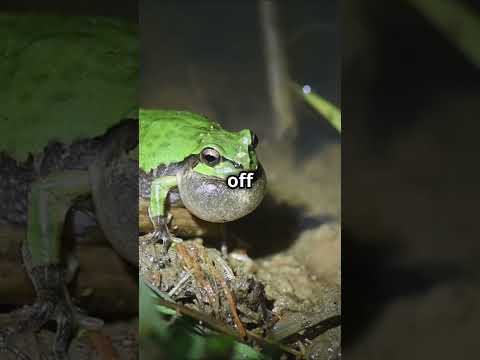
Frogs croak all night to find mates, defend their turf, and send messages to other frogs. These calls carry important info that helps them survive and have babies.
You’ll catch different croak patterns, and each one has its own job in the nighttime frog world.
Mating Calls and Reproduction
At night, frogs mostly croak to attract mates. Male frogs belt out loud, repetitive croaks to show females they’re ready.
Every frog species has its own special call, so they don’t get their signals crossed.
The louder and more often a male croaks, the better his chances of getting noticed. Sometimes you’ll hear a whole chorus near ponds in warm months, with males trying to outdo each other and catch a female’s ear.
This lets females pick strong, healthy mates, which is pretty important for keeping frog populations healthy.
Territorial Communication
Frogs also croak to warn other males to stay away from their space. This helps cut down on fights by letting everyone know who’s claimed which spot.
The croaks act like a warning sign, marking territory with sound.
Some croaking males will change their volume or rhythm to show off their strength. That can scare off weaker frogs before things get physical.
By defending their turf through croaks, frogs keep their resources and breeding spots safe—no wrestling required.
Species Identification Through Calls
Every frog species sounds a little different. These unique croaks help frogs recognize others of their kind, which matters a lot for mating and social stuff.
If you listen closely, you’ll notice the pitch, length, and rhythm of croaks vary from species to species.
This kind of communication stops mix-ups between species. It also helps females find the right males and lets frogs find each other in the dark.
So, all the variety in frog calls actually keeps their species organized and thriving.
For more on why frogs croak at night, check out this article on reasons behind frogs’ night-time croaking.
The Science Behind Frog Croaking at Night

Frogs croak at night because it just works better for them. Their calls help them find mates, defend their ground, and even stay safer from predators.
All these things make nighttime the best time for croaking.
Nocturnal Behavior and Evolution
You’ll notice frogs really get active once it’s dark. Being nocturnal lets them dodge the heat and dryness of the day, which keeps their skin from drying out.
Over time, frogs evolved to croak more at night because their calls stand out when there’s less noise.
Their nighttime croaking helps males attract females and mark their territory without much competition from other sounds.
Since each frog species has its own call, you can actually tell who’s calling if you listen carefully. This behavior boosts their chances of mating and helps them survive, especially where there are lots of frogs around.
Environmental Factors: Temperature and Humidity
Temperature and humidity make a big difference in how frogs croak. Frogs depend on their environment, so warm, humid nights give them more energy and make their muscles work better.
That means their calls get louder and more frequent.
High humidity also carries sound farther, so you might hear frogs from way across the pond.
When it’s cool or dry, frogs get quieter because their muscles slow down and their skin dries out, which makes croaking harder.
That’s probably why you hear more frogs after a warm rain or on those sticky, muggy nights.
Predator Avoidance and Acoustic Advantage
Croaking loudly at night might sound risky, but frogs actually use it to stay safe. Since it’s dark, predators have a tough time spotting them, even if their calls are loud.
Frogs often use deep or bright croaks to throw off predators or maybe just distract them. Sometimes, it almost feels like they’re playing a game of hide and seek with their voices.
When frogs call at night, they take advantage of the quiet. Their sounds travel farther, but they don’t attract as much unwanted attention.
The shape of a frog’s vocal sac lets it amplify sound efficiently in the dark. So you can hear those clear calls without frogs needing to get dangerously close.
Curious about why frogs croak at night? Check out Vital Frog for more.


