
So, you want to keep your frog happy? The biggest thing is to give it the right care and environment.
Make sure your frog has the right temperature, humidity, a clean tank, and good food. That’s how you help it feel safe and comfortable.
When you meet these basic needs, your frog will probably be more active and healthy.
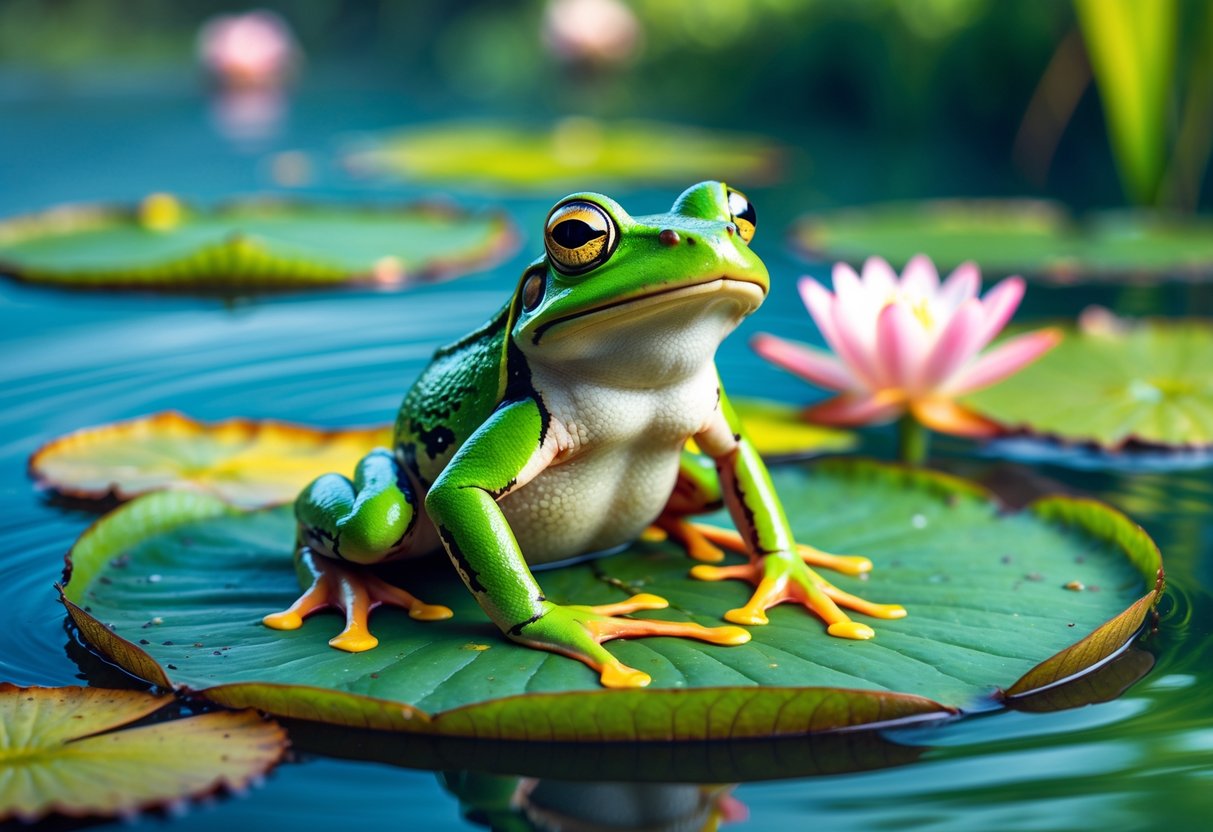
You can build a positive connection by just watching your frog and maybe hand feeding or offering treats sometimes.
Frogs love routine, so feeding and caring for them at the same times each day calms them down.
With some patience and attention, you can make a space where your frog feels pretty chill and safe.
Taking care of a frog isn’t only about keeping it alive—it’s about letting it thrive.
If you’re new to frogs or just want to up your game, learning what makes your frog happy can really change your pet’s life.
For more tips, you might want to check out how to bond with your frog here.
What Frogs Need to Be Happy

To keep your pet frog happy, you need to meet its physical needs and create a safe space.
You have to understand how frogs might feel, give them good food, and set up a habitat that feels secure and interesting.
Understanding Frog Emotions
Frogs can show stress or comfort, even if it’s not quite like human emotions.
When your frog feels safe, it’ll probably be more active and alert.
Look for clear skin, bright eyes, and a good appetite—these all mean your frog is doing well.
If your frog looks tired, hides too much, or stops eating, it might be stressed or unhappy.
Set up calm surroundings and don’t handle your frog too often—its skin is really delicate.
Frogs just don’t like being touched much, and that’s totally normal.
Creating a Safe and Enriching Environment
Your frog’s enclosure is its whole world.
Give it enough floor space; about 10 gallons for one adult frog is a solid start.
Frogs do best in habitats with both land and water, so try to set up a tank with both if your frog’s species needs it.
Add hiding spots like cork bark or smooth rocks.
Your frog will feel safer if it has places to tuck itself away.
Use natural materials like coco fiber or peat moss for the ground.
These keep things moist and let your frog burrow.
Keep the water clean with filtered or dechlorinated water—tap water can be risky for frogs.
Check temperature and humidity with a reliable thermometer and hygrometer.
The Role of Diet in Frog Happiness
Feeding your frog a balanced diet is super important.
Most frogs eat insects like crickets, mealworms, or dubia roaches.
Change up the types of bugs so your frog gets different nutrients and doesn’t get bored.
Gut-load the insects first, which means feeding the bugs healthy stuff before you give them to your frog.
Dust the insects with calcium and vitamin D3 powder a few times a week.
That helps keep your frog’s bones healthy.
Only feed insects that are smaller than the space between your frog’s eyes—otherwise, it could choke.
Young frogs need to eat more often than adults, so check your frog’s age to get the schedule right.
Signs Your Frog Is Happy

You can tell your frog is happy by watching how it acts and checking its health.
Happy frogs show pretty clear signs through their body and behavior.
Feeling safe and comfortable matters a lot for your frog’s happiness.
Physical and Behavioral Signs
Look for bright, clear eyes and smooth, healthy skin.
These are strong hints that your frog feels good.
If your frog’s skin looks fuzzy or spotty, it could be stressed or sick.
Active swimming and regular eating are also good signs.
Happy frogs move around their tank and eat quickly.
Sometimes, you’ll see your frog come up to the surface often to breathe—this means it’s strong and alert.
A happy frog might hide during the day and get more active at night.
That’s just their natural routine and shows your frog feels at home.
Importance of Safety and Comfort
Your frog deserves a safe, clean home if you want it to feel happy. Keep the tank tidy, and avoid strong water currents or packing in too many tankmates.
Loud noises or sudden changes? Those can really stress your frog out. I always try to keep things calm and predictable.
Give your frog a few hiding spots and use gentle lighting. That little bit of privacy can make a big difference.
Make sure the tank stays warm and at the right temperature. You’ll probably notice your frog acting more lively and relaxed when it’s comfortable.
Frogs might not feel happiness the way we do, but when you meet their needs, they really do thrive. If you want more details on what a happy African dwarf frog looks like, check out this detailed guide.


