
Ever wondered if your pet frog actually knows who you are? You’re definitely not alone there.
Frogs aren’t exactly cuddly like cats or dogs, but they’ve got their own ways of picking up on the people who care for them. Frogs won’t recognize their owners in the same way furry pets do, but they can start to link your scent, your voice, and your presence with good things—like food or gentle handling.
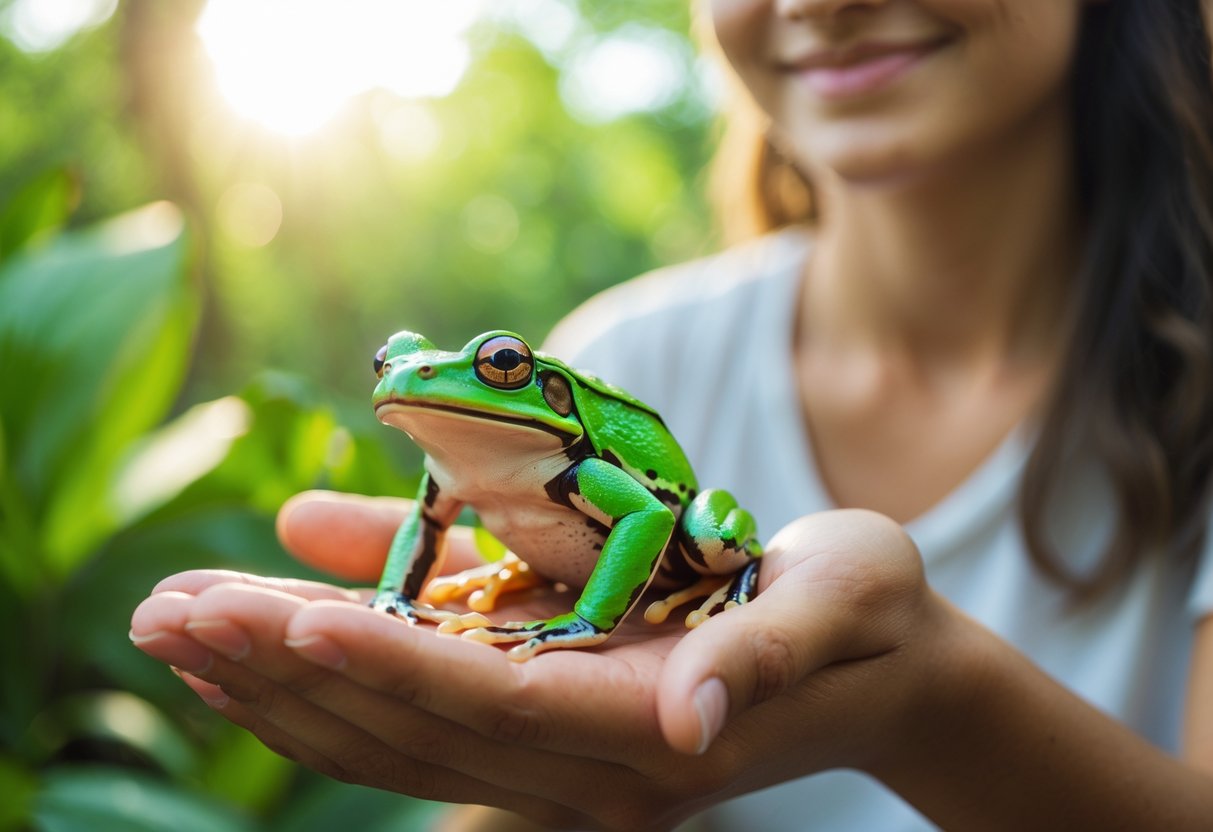
Your frog can notice these cues and, over time, form a simple bond with you. They hear surprisingly well and can tell voices apart.
Sometimes, they even notice your shape or smell. So, your frog isn’t ignoring you—it just shows affection in a way that makes sense for a frog.
Figuring out how frogs recognize you honestly makes caring for them a bit more fun. If you interact with your frog regularly, it might get more comfortable and show you little signs of trust.
Do Frogs Recognize Their Owners?
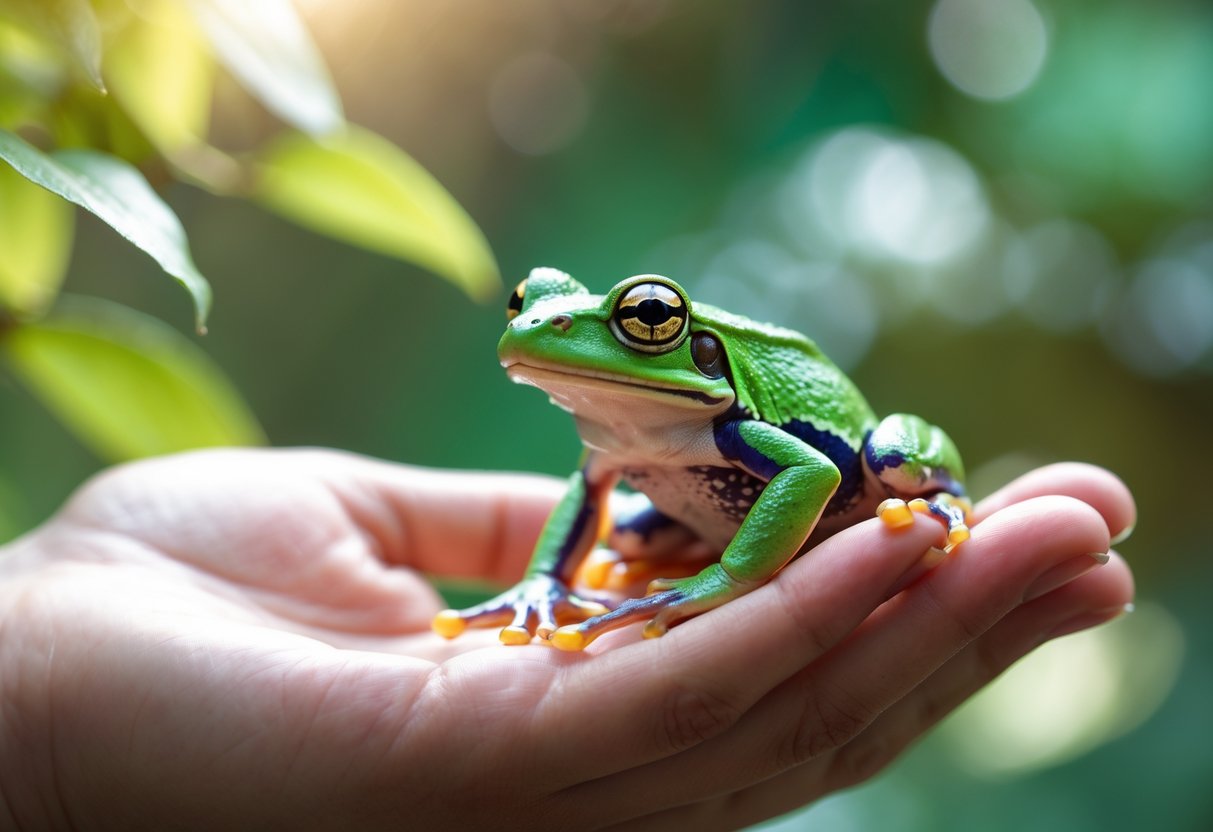
Frogs don’t recognize people the way dogs or cats do. Still, they can start to connect certain sights, sounds, or smells with good experiences, like being fed or gently handled.
These connections depend on the type of frog and how their senses work.
Frog Intelligence and Memory
Frogs have pretty simple brains compared to mammals. Their memory and intelligence are basic, honestly.
They learn through repetition, especially if food or safety is involved. Some frogs remember where the food usually shows up or react to their owner’s voice.
Their memory isn’t like yours, but they can recall short-term patterns. For example, they might link your face or smell with feeding time.
Long-term recognition? That’s a bit shaky. If you disappear for a while, they might forget you.
Differences Between Frogs, Toads, and Tree Frogs
Different amphibians pick up on people in their own ways.
| Amphibian Type | Recognition Strength | Notes |
|---|---|---|
| Frogs | Moderate | Use sight, sound, and smell to learn. |
| Toads | Lower | Less social, rely more on smell. |
| Tree Frogs | Higher | More interactive, better at seeing you. |
Tree frogs, for example, sometimes jump onto hands or come closer, which feels a bit like recognition. Toads don’t interact as much, but they might still tell familiar people apart by scent or sound.
Recognition Versus Conditioning
Let’s be real—what looks like recognition is usually just conditioning. Frogs don’t form emotional bonds like dogs, but they learn to expect rewards when certain signals show up.
If your frog hops toward your voice or comes out when you open the tank, it’s probably expecting food or a treat, not really recognizing “you” as a person.
Try changing your voice or using a different scent. Frogs often respond less to strangers, which means they can tell familiar signals from unfamiliar ones. Still, it’s not the deep recognition you’d see in other pets.
Want to dig deeper? Here’s a detailed explanation about how frogs use hearing and smell to recognize owners.
How Frogs Respond to Humans

Frogs react to humans in their own unique ways. They won’t form strong emotional bonds, but they can learn to associate certain people or actions with good things.
A lot depends on how you treat them and what species you have.
Associating Owners With Food
Food is the main way frogs connect with you. If you feed your frog regularly, it starts to expect your presence means food.
They might not get you as a person, but they link your actions or voice with a meal. Some frogs even learn to jump toward you or a feeding spot when you show up.
That’s really just them expecting food, not recognizing you as their special human. Consistent feeding and gentle handling help frogs associate you with something positive.
Behavioral Responses and Emotions
Frogs don’t show classic pet emotions, but they do react to their environment and the people around them. If they hear a familiar voice or scent, they might move closer or just stay calm.
That doesn’t mean they feel affection—it’s more like a lower stress response. Some frog owners say their tree frogs seem “comfortable” during handling.
That comfort probably comes from routine and familiarity, not from bonding. Frogs can stretch out or sit still, which shows they feel safe around you.
Species Variation in Recognition
Different frog species react to humans in their own ways. Pacific tree frogs—and a few other tree frogs, honestly—seem to have sharper hearing and can remember voices. That makes it easier for them to tell people apart.
Some frogs lean more on smell or sight to figure out who’s handling them. Pacman frogs, for example, don’t really interact much, but they might start to recognize a feeding routine if you’re consistent about it.
If you want to dive deeper into how frogs pick up on voices and faces, check out this article: can frogs recognize their owners.


