
Ever spot a frog hanging out in the same pond or patch of your yard year after year? You might wonder if frogs actually come back to the same place. Most frogs do head back to the same pond or area, especially when it’s breeding season. They seem to trust familiar spots to give their eggs the best shot at survival.
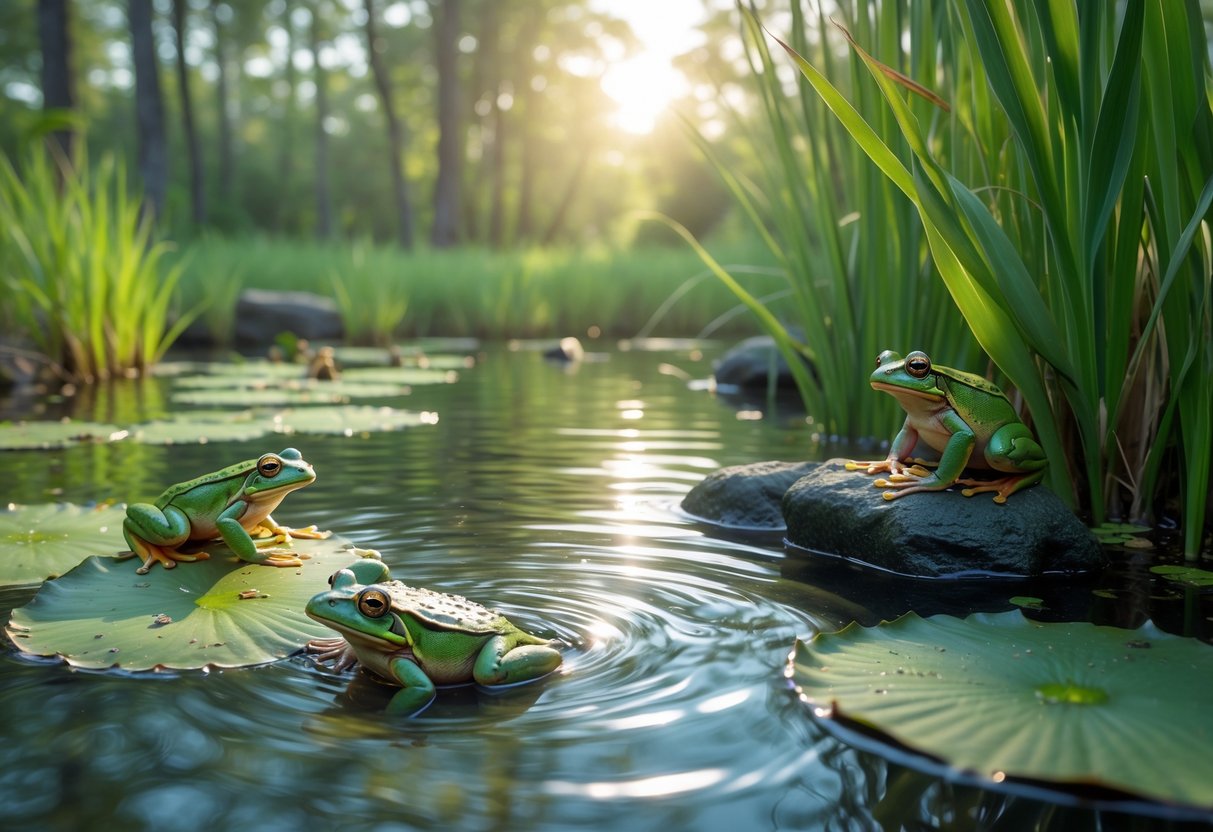
It’s kind of amazing—frogs remember where they were born and often make their way back to that exact spot. Your backyard pond might become a regular stop for these little travelers.
Once you start to understand why they do this, you might appreciate your amphibian visitors even more.
Whether you’re hoping to attract frogs to your garden or just curious, learning about their habits can be pretty interesting. There’s a lot to discover about how they pick places and make their way back.
Do Frogs Return to the Same Place Each Year?

Frogs tend to return to ponds where they were born or bred before. They use different tricks to find their way, especially when it’s time to lay eggs again.
Knowing how frogs do this might help you protect their favorite places.
Frog Homing Instincts and Site Fidelity
Frogs have a strong homing instinct. Adult frogs remember their breeding ponds and many come back to the same spot every year.
They rely on their senses to get there. Some sniff out familiar chemicals in the water, while others look for landmarks or maybe even sense the Earth’s magnetic field.
Different species have different abilities, but most show some loyalty to their favorite pond.
This loyalty is called site fidelity. It lets frogs pick safe places for their eggs and gives tadpoles a better shot at growing up.
Breeding and Spawning Migration Patterns
When breeding season arrives, frogs travel from their hiding places back to ponds or pools to spawn. Sometimes that’s just a few meters, sometimes it’s a few kilometers.
Once they reach the pond, they find mates and lay those jelly-like egg clusters (frogspawn) you might see in spring. Timing depends on the season, the weather, and sometimes even the moon.
Sound matters, too. Male frogs call out to attract females, and those calls help others find breeding ponds.
Why Frogs Return to Specific Ponds
Frogs don’t just pick any pond. They look for clean water, plenty of bugs to eat, and spots to hide from predators.
When frogs return to the same pond, they’re choosing a place they know is safe. Familiar territory means their offspring have a better chance.
Sometimes, even if a pond dries up or changes, frogs still try to come back. Their attachment to certain places can be surprisingly strong.
If you’ve got a garden pond and keep it safe and quiet, you might see frogs coming back every year. Good water quality and shelter make a difference.
If you’re curious about how frogs navigate, check out Froglife.
Life Cycle and Movement of Frogs Throughout the Seasons
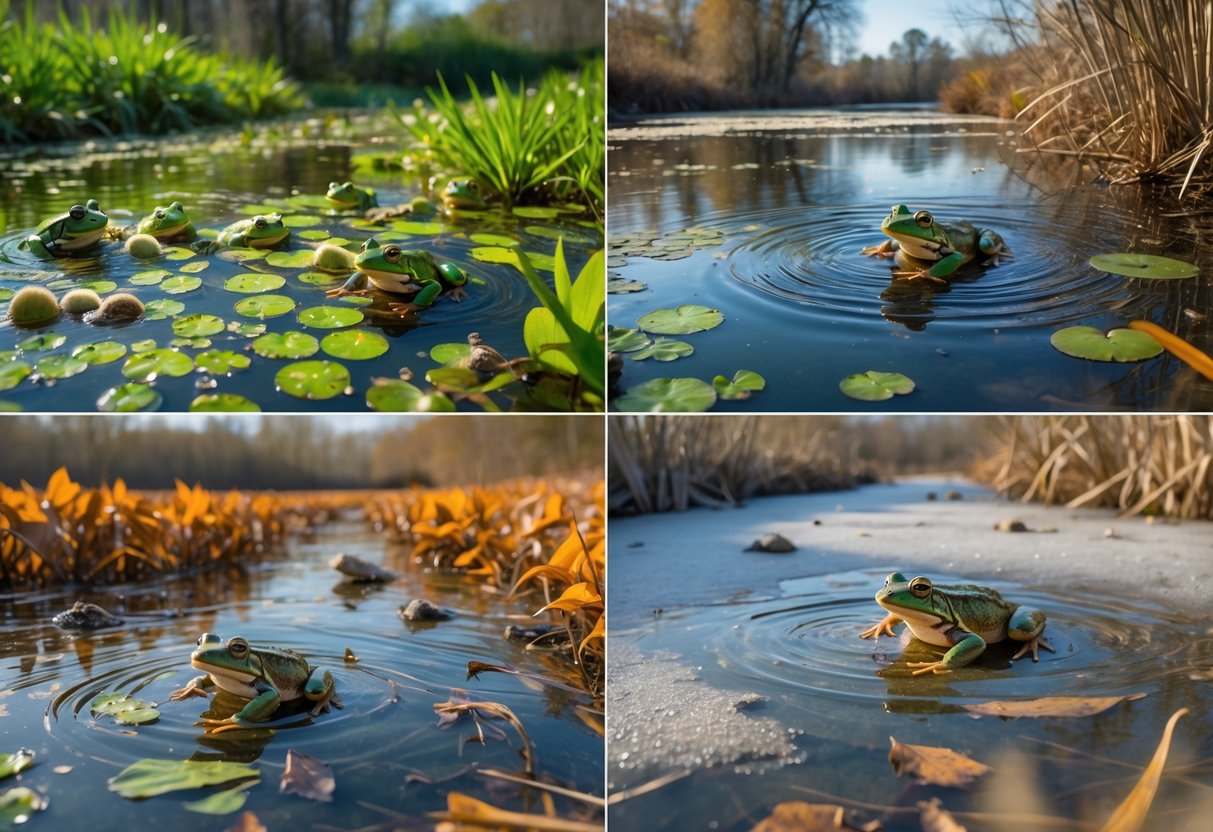
Frogs change a lot throughout the year. They start out as eggs in water, then grow into tadpoles, and eventually leave the pond as young frogs.
When it gets cold, frogs find safe places to rest. Once things warm up, they head back to the pond.
Breeding, Frogspawn, and Tadpole Development
Early spring brings frogs together at ponds to breed. You’ll spot those big, jelly-like clusters of frogspawn floating just under the surface.
The eggs keep the tadpoles safe and moist until they hatch.
After a week or two, tadpoles break free. At first, they munch on the yolk from their eggs, then move on to plants and algae in the pond.
Tadpoles stay in the water as they grow legs and lose their tails. That change, called metamorphosis, takes about 12 to 16 weeks—though it depends on food and temperature.
Ponds are busy places, with newts and other critters sharing the space. These neighbors can affect how quickly tadpoles grow.
Froglets, Toadlets, and Dispersal from the Pond
Once tadpoles have lungs and strong legs, they become froglets (or toadlets, if they’re toads). These tiny frogs start exploring the land but usually stick close to the pond at first.
Their diet shifts from plants to insects, slugs, and snails. You might spot them hopping into grass or bushes as they get used to life outside the water.
Froglets and toadlets spread out to find new homes, but they often return to safe spots nearby. This helps them avoid crowding and keeps frog populations healthy.
Overwintering and Seasonal Return
As temperatures drop, adult frogs look for spots to get through the winter. You’ll often find them tucked under mud at the bottom of ponds, hiding beneath logs, or burrowed in piles of leaves to avoid freezing.
They barely move during this chilly stretch, slowing down almost completely. Once spring finally shows up, these frogs head back to the same pond where they were born—or at least where they last bred.
That spot usually turns into their favorite breeding ground, and they seem to return year after year.
Thinking about helping frogs? Try adding a pond to your garden. If you follow a guide like the Just Add Water leaflet, you can give frogs a solid home for every stage of their lives.


