
Ever notice how frogs get super noisy when the rain starts? If you’ve wondered why these little amphibians suddenly fill the air with croaking, you’re definitely not alone.
Frogs croak more when it rains because wet weather gives them the best shot at finding mates and staking out their territory.
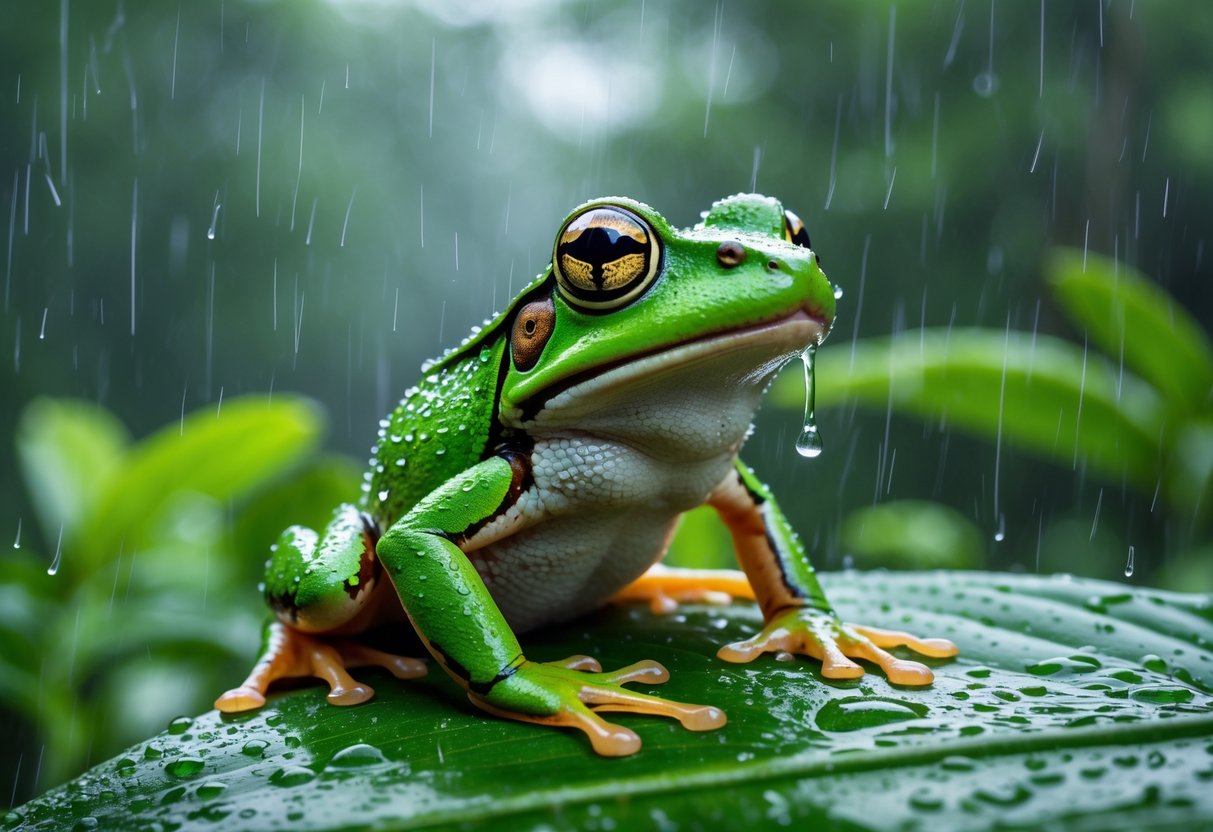
Rain keeps frogs moist and helps their calls travel farther. Mostly, it’s the male frogs making all that noise, trying to attract females during breeding time.
When the air gets damp and full of moisture, frogs feel braver and come out more, so you hear them a lot when it rains.
Besides looking for romance, rainy weather brings out more bugs for frogs to eat. Raindrops disturb insects, making them easy snacks.
All in all, rainy nights turn into a busy, noisy time for frogs. Want to dig deeper into what’s going on? Let’s keep going.
Key Reasons Frogs Are Noisy When It Rains

Frogs ramp up the noise during rain because the conditions make it easier—and honestly, more urgent—for them to call out. Their croaks connect closely to moisture, the hunt for mates, and the fact that sound just travels better in wet weather.
If you know why they get so loud, you’ll start to understand the wild chorus you hear in your backyard or down by a pond.
Role of Moisture and Humidity in Frog Behavior
Frogs need moisture to stay healthy. Rain creates an ideal environment for them.
When the air is humid and wet, frogs come out because dry skin can actually be dangerous for them. Moisture keeps their skin soft and helps them move around without trouble.
You’ll notice frogs calling more when the air is moist. This tells them it’s safe to be active.
The wet weather also wakes up lots of insects, so frogs get a buffet. Rainy nights make frogs comfortable, active, and extra noisy.
Breeding and Mating Signals During Rain
Most of the croaking you hear during rain comes from male frogs calling out for females. Rain brings the fresh water frogs need for their eggs and tadpoles.
This makes rainy weather the best time for frogs to mate and lay eggs. Male frogs use their vocal sacs to make their calls louder.
They compete by croaking, trying to prove they’re the strongest or most appealing. So, that wild chorus you hear? It’s mostly frogs looking for love.
How Rain Amplifies Frog Calls
Rain and humidity help sound travel farther and clearer. When the ground and air are wet, frog calls can reach much longer distances.
Frogs use their vocal sacs like tiny speakers. Rain makes their calls sound louder and sharper to both females and other males.
That’s why frog noises get so intense right before or after a rainstorm. Sometimes you can even hear them from a mile away.
If you want more details, check out this explanation on why frogs make noise when it rains.
How Rain Influences Frog Populations and Communication
Rain shapes frog behavior and even their populations. It affects where frogs gather, how they talk to each other, and helps different species do their own thing.
It’s also a plus for the whole environment, supporting amphibians like frogs.
Impact on Frog Population and Activity
Rainwater creates new places for frogs to live and lay eggs. Since frog eggs and tadpoles need water, rain keeps their numbers healthy.
After a rain, you’ll probably spot more frogs hopping around. The wet conditions pull them toward puddles and ponds.
Male frogs take advantage of the moist weather by croaking loudly to attract females. Their calls travel farther when it’s damp.
Differences Among Frog Species
Not all frogs act the same when it rains. Some only call and breed during heavy downpours, while others get going after just a light shower.
This variety helps reduce competition, since different frogs pick different times and places. Some frogs rely strictly on rainwater pools to breed.
Others use streams or permanent ponds. The timing and strength of the rain decide which species become active and how loud they get.
Environmental Benefits of Noisy Frogs
When frogs croak during rain, they actually help out the ecosystem in some pretty cool ways. Their calls let each other know it’s breeding season, which helps keep frog numbers steady.
Frogs eat lots of insects, so they help control bugs around you. That’s a win for your backyard, right?
You’ll often spot frogs after rain because they need clean water to survive. Seeing or hearing them usually means the environment’s in good shape.
Their noise can clue in other animals that the wet season’s here, which helps keep everything in balance. For more details, check why frogs come out during rain.


