
Keeping a frog alive really comes down to creating the right home—think proper temperature, clean water, and the right food. You’ve got to know what kind of frog you have and pay attention to its unique needs for habitat, diet, and daily care. Since frogs absorb stuff through their skin, you can’t skip out on clean water and you should always handle them gently.

Set up an enclosure that feels like home to your frog, whether that means land, water, or something in between. Feed your frog live insects, toss in some vitamin supplements, and you’ll help it stay healthy. If you stick to these basics, you’ll get to watch your frog thrive.
Curious how to avoid the usual mistakes and really give your frog a good life? There’s more to learn, so let’s get into it.
Fundamentals of Frog Care
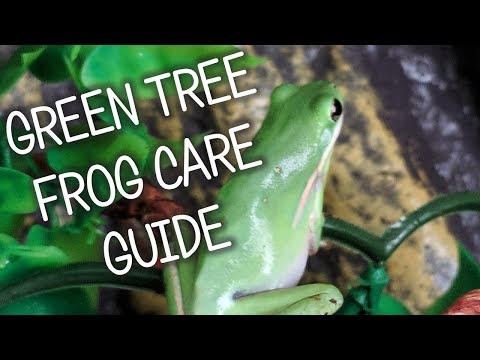
Caring for a frog means you’ll need to get its home, food, and environment just right. Think about which species you want, how much space they’ll need, and what sort of temperature and humidity you can keep up with.
Every choice you make plays a part in your frog’s health and happiness.
Selecting Appropriate Frog Species
Picking the right frog species is where it all starts.
If you’re new to frogs, go for something forgiving like White’s tree frogs or African dwarf frogs. They’re pretty tough and don’t ask for anything too wild.
Terrestrial frogs, like Pacman frogs, hang out on land. Aquatic frogs, such as African dwarf frogs, spend most of their time in the water. Poison dart frogs are beautiful, but wow, do they need high humidity and extra care.
Be honest about your time and budget. Poison dart frogs, for example, need special food and a fancy setup. If you just want a chill pet, it’s better to pick a frog that matches your lifestyle.
Setting Up a Frog Enclosure
Your frog’s home should look and feel like its natural habitat.
For tree frogs like White’s tree frog, set up a tall terrarium with branches and climbing plants. Terrestrial frogs like Pacman frogs prefer a tank with soft soil and places to hide. Aquatic frogs want mostly water in their tanks.
Add clean water and some hiding spots—plants or logs work well. Make sure the enclosure is secure so your frog can’t escape. Live plants help keep humidity up and make things look more natural.
Clean up the enclosure every week. Scoop out leftover food and waste so bacteria don’t build up. A tidy space keeps your frog healthier.
Establishing Temperature and Humidity
Every frog species comes with its own needs for temperature and humidity.
Tropical frogs like White’s tree frogs want it warm, somewhere between 75-85°F. For species like poison dart frogs, you’ll need to keep humidity high, around 70-90%. Misting the tank or using a misting system keeps the air damp. Terrestrial frogs do fine with moderate humidity.
Use a thermometer and hygrometer every day to check your setup. Adjust heat lamps or misting as needed. Keeping things steady helps your frog’s skin and immune system.
Feeding and Nutrition Essentials
Most frogs love to eat live insects—crickets, mealworms, waxworms, and dubia roaches are all good options. Bigger frogs, like Pacman frogs, sometimes eat small rodents or even other frogs.
Feed adult frogs about two or three times a week. Younger frogs need to eat more often. Dust the insects with calcium powder so your frog’s bones stay strong.
Don’t overfeed, though. Too much food just leads to obesity and health problems. Make sure your frog always has fresh, clean water for drinking or soaking.
Look up your frog’s species for special diet notes, and adjust what you feed as it grows. Good feeding habits really do make a difference in your frog’s health.
For more details, check out the Ultimate Pet Frog Care Guide.
Long-Term Wellbeing and Enrichment

Keeping your frog healthy means you’ve got to pay close attention to its environment, diet, and daily care. Clean the enclosure, watch for signs of illness, handle your frog safely, and consider how your choices affect frog conservation.
Cleaning and Maintenance
Regular cleaning keeps your frog’s enclosure safe.
Spot-clean every day by picking out leftover food and waste. Do a full clean, swap out water, and wash the tank every week or two.
Always use dechlorinated water for aquatic frogs, and keep up the right humidity for terrestrial ones. Clean decorations and substrate to stop mold and bacteria from growing. Never use harsh chemicals—they can hurt your frog.
Try keeping a checklist so you don’t forget anything.
| Task | Frequency |
|---|---|
| Remove waste | Daily |
| Change water | Weekly/biweekly |
| Clean tank surfaces | Every 2 weeks |
This routine really cuts down on stress and keeps disease away.
Health Monitoring and Disease Prevention
Keep an eye on your frog for any changes in how it acts, eats, or looks.
Healthy frogs are usually alert and eat well. If you see weight loss, skin discoloration or sores, lethargy, or trouble breathing, it’s time to call a reptile or amphibian vet.
You can prevent most diseases by keeping the water clean and feeding a proper diet. Don’t overcrowd your tank if you have more than one frog. Quarantine any new frogs before adding them to your main tank.
Frogs as Pets: Safety and Handling
Try not to handle your frog too much. Their skin is sensitive and picks up whatever’s on your hands. Wash your hands with just water before and after you touch your frog.
If you have to move your frog, use soft, wet gloves for extra safety. Always be gentle to avoid stressing or hurting your pet.
Give your frog plenty of places to hide, and keep things calm around its tank. Loud noises or sudden moves can scare frogs, and you want them to feel safe in their home.
Supporting Frog Conservation
If you take good care of your pet, you’re actually helping frog conservation in small but meaningful ways. Just don’t release pet frogs into the wild—they might spread diseases or mess up local ecosystems.
Try choosing captive-bred frogs instead of wild-caught ones. Captive breeding really does a lot to protect wild frog populations.
You can also make a difference by learning about frogs and sharing what you know with others. Frogs play a big part in the environment, even if we don’t always notice.
Want more tips on responsible pet care? Check out enrichment ideas for frogs and toads.


