
Ever wondered if snakes eat frogs? Trust me, you’re not the only one.
Frogs pop up all over the place, especially in the same spots where snakes hang out. So, it’s a fair question—do frogs end up as snake snacks? The short answer: yep, lots of snake species eat frogs when they get the chance.

Snakes act as opportunistic hunters. Basically, they’ll eat whatever’s nearby and easy to catch.
Since frogs love wet spots, they often become prime targets. It’s kind of wild how many different snakes rely on frogs for meals, and the ways they go about catching them might surprise you.
Let’s dig into which snakes go after frogs, how they manage to catch such slippery critters, and why frogs matter in a snake’s diet. This connection really shows off how nature keeps things in check.
Do Snakes Eat Frogs in the Wild?
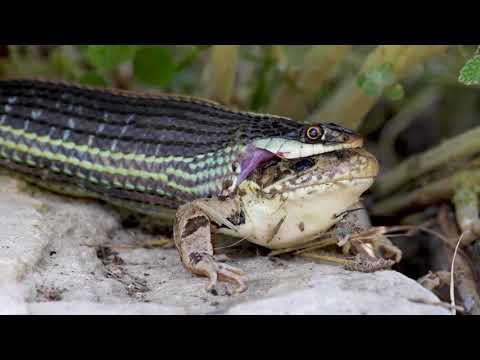
You’ll often spot snakes hanging around ponds, lakes, or streams. Why? Those places are loaded with frogs.
Some snakes hunt frogs all the time, but the methods they use can be pretty different. Not every frog makes for an easy meal, and certain snakes have their favorites or unique hunting tricks.
Which Snake Species Eat Frogs
Plenty of snake species eat frogs, especially if they live near water. Aquatic snakes such as the northern water snake and banded water snake go after frogs pretty often.
Garter snakes and hognose snakes eat frogs too, along with pit vipers and grass snakes.
Pythons and bullsnakes might eat frogs now and then, though they don’t usually go looking for them first. Some snakes really depend on frogs, while others just take the opportunity if it comes up.
If you’ve got a lot of frogs in your area, chances are good some local snakes include them in their menu.
How Snakes Hunt and Capture Frogs
Snakes use a mix of patience and quick moves to hunt frogs. They’ll wait quietly by the water and then strike when a frog gets too close.
Venomous snakes, like some pit vipers, use venom to take down or weaken frogs before eating them. Nonvenomous snakes, on the other hand, rely on constriction—basically squeezing the frog until it can’t get away.
Frogs can be tough to catch since they’re slippery and fast, but snakes use their sharp sense of smell and heat detection to track them down. You’ll sometimes see snakes ambush frogs at night or right along the water’s edge.
Are All Frogs Vulnerable to Snakes
Not every frog is easy for snakes to eat. Big frogs like bullfrogs can be tough for smaller snakes to handle.
Some frogs, like poison dart frogs, have toxic skin that keeps most snakes away. Toads usually make poisons that snakes avoid, but a few snake species, such as the keelback snake, have built up immunity to those toxins.
So, whether a snake eats frogs really depends on both the snake and the frog’s defenses.
If you’re curious about which snakes eat frogs and how they do it, check out this detailed article on snakes that eat frogs.
Adaptations, Hunting Methods, and Defenses

Out in the wild, snakes have come up with clever ways to catch frogs, and frogs have their own tricks to stay safe.
Snakes rely on venom, ambush, and constriction to hunt. Frogs, meanwhile, fight back with camouflage, wild jumping skills, and sometimes even poisonous skin.
You’ll see these back-and-forth battles shaping the balance in all sorts of ecosystems.
Snake Strategies: Venom, Ambush, and Constriction
Snakes have some pretty effective tools for catching frogs. Some use venom to quickly stop their prey.
Venomous snakes inject toxins that paralyze a frog, making it a lot easier to swallow.
Other snakes just wait it out, lying still and blending into their surroundings. This ambush style works well—when a frog gets close, the snake snaps it up.
Some snakes go for constriction, wrapping around the frog and squeezing until it can’t move or breathe. Depending on the snake’s size or where it lives, it might mix these methods up.
Frog Defenses Against Snake Predators
Frogs have gotten pretty creative at avoiding snakes. Many use camouflage to disappear into their environment.
They’ll match leaves, water, or mud so well that snakes just can’t spot them easily.
Frogs also rely on quick, unpredictable jumping to get away. One wild leap can put a lot of distance between them and a slow-moving snake.
Some frogs create poisons through their skin, and these toxins can make snakes sick or taste terrible. That usually keeps the snakes at bay.
But, interestingly, some snakes have evolved resistance to these poisons and can still hunt even the toxic frogs.
Ecological Importance of Snake-Frog Interactions
Snakes and frogs interact in ways that really help keep ecosystems balanced. When snakes eat frogs, they help control how many frogs are around.
Frogs tend to breed in huge numbers. If snakes weren’t around, frog populations could explode, and that might cause trouble for plants or other animals nearby.
Frogs also make up a big part of the diet for many snake species. If frogs disappeared, snakes that rely on them would struggle to find enough food.
This back-and-forth helps keep the environment stable so a bunch of different species can survive.
Curious about how snakes hunt or how frogs defend themselves? Check out Do Snakes Eat Frogs: Examining Their Role in Amphibian Populations.


