
Stumbling across a frog in your backyard can catch you off guard. Honestly, the best move? Just watch it from a distance and, if you feel like it, set up a cozy spot for it to stick around.
Frogs eat bugs and help keep pests down, so they’re actually pretty handy in the garden.

If the frog looks healthy, you really don’t need to touch it. Instead, check that there’s water nearby—maybe a pond or even a birdbath—and leave some plants or rocks for hiding spots.
This way, you’ll make your yard more inviting and safer for frogs.
If the frog seems hurt or sick, reach out to a local wildlife expert for advice. Taking care of frogs the right way can turn your backyard into a calm haven for these little guys.
Immediate Steps to Take When You Find a Frog
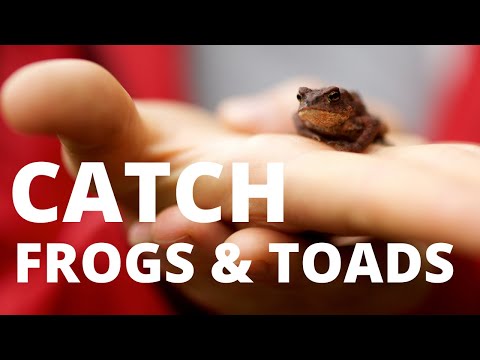
When you spot a frog outside, acting gently protects both you and the frog. Try to figure out what kind of frog it is, and think about whether it’s safe to leave it there or if you should move it.
It’s also smart to keep your pets away so everyone stays safe.
Observing the Frog Safely
Start by quietly watching the frog, and don’t touch it with dry hands. Frogs have super sensitive skin that soaks up anything on your hands—like oils or soap.
If you absolutely have to pick it up, make sure your hands are wet with clean water.
Notice if the frog seems stressed—maybe it’s moving quickly or croaking loudly. That’s usually a sign it feels threatened, so give it some space.
Frogs usually hang out near water or damp spots. If you move too fast or make noise, you’ll probably scare it off.
Identifying Frog and Toad Species
Figuring out if you’ve found a frog or a toad makes a difference. Frogs usually have smooth, moist skin and long legs for hopping.
Toads look a bit rougher, with dry, bumpy skin and shorter legs.
You can check a guidebook or use an app to get a better ID. Some species are everywhere; others are a bit rare and might need special attention.
If you’re unsure, snap a photo and send it to a group like Frog Finders—someone there will know.
Deciding Whether to Relocate or Leave It
If the frog isn’t in any real danger, it’s usually best to just leave it where it is. Frogs need their home turf for food, shelter, and breeding.
If it’s somewhere risky, like right on a path or near your pets, gently move it to a safer spot with water and some bushes.
Don’t move frogs too far or to a totally different kind of place. Always set it down on the ground instead of holding it for too long.
Protecting Frogs from Pets
Curious frogs and curious pets don’t always mix well. Cats and dogs might see frogs as toys, and that can end badly.
Some toads even have toxins that could make your pet sick if they bite or lick.
Keep pets away from frog hangouts. If you can, supervise them outside or set up barriers near water and frog shelters.
Training your pet to avoid frogs is a good idea. Native plants and water features also help frogs hide out of sight.
If you want more details, check out this detailed guide.
Creating a Frog-Friendly Backyard Habitat
If you want frogs to feel at home, think about shelter, water, food, and safe hiding places. The right plants and features make your yard a great spot for frogs and even tadpoles.
Providing Shelter with Native Plants and Shrubs
Native plants and shrubs give frogs places to hide out during the day and keep safe from predators. Pick plants that thrive in your area, especially ones that like damp soil.
Shrubs like American Beautyberry or local wildflowers add shade and cool spots. These areas keep the ground moist and comfy for frogs.
Thick leaf cover and dense plants help frogs stay hidden from birds and cats. Try not to clear out too much undergrowth—frogs need that cover to feel safe.
Adding a Water Source Like a Garden Pond
Frogs need water for drinking, laying eggs, and raising tadpoles. A garden pond works best.
Make sure the pond has shallow parts and sloping sides so frogs can get in and out easily.
You don’t need a giant pond—sometimes even a large container with still water will do. Skip adding fish, since they might eat frog eggs or tadpoles.
Plant native water plants like pickerel weed or water lilies around the pond. These give shade, places to rest, and attract insects for frogs to eat.
Ensuring a Safe Food Supply by Avoiding Pesticides
Frogs eat insects, but garden chemicals like pesticides can poison them and wipe out their food.
Try switching to organic gardening instead. Compost and natural pest control methods help keep bugs around for frogs.
Healthy soil supports earthworms and other treats that frogs like. Keeping your yard chemical-free is better for frogs and helps everything stay in balance.
Offering Hiding Spots with Ferns and Brush Piles
Ferns work really well in the shady corners of your yard. They give frogs cool, damp spots to rest when the sun gets too intense.
Their thick leaves actually help hide frogs from birds or anything else that might bother them.
You can also pile up sticks, leaves, and any extra garden debris to make a brush pile. Frogs will use these piles to escape the heat and duck out of sight.
If you want something even simpler, try making a toad abode. Just use a broken clay pot or prop up a piece of wood on some rocks.
These little shelters give frogs a dry, safe place to hang out near water or plants.
Honestly, a mix of ferns and brush piles creates a backyard where frogs can finally relax and do their thing.
Curious for more ideas? Check out this guide on frog gardening.


