
Owls have always fascinated people with their silent flight and sharp hunting skills. If you’ve ever wondered about their lifespans, well, it depends a lot on the species and whether they’re living wild or in captivity.
Most owls make it between 5 and 12 years out in the wild. Some bigger owls can hit 20 or even 30 years, and with care in captivity, they sometimes go beyond that.
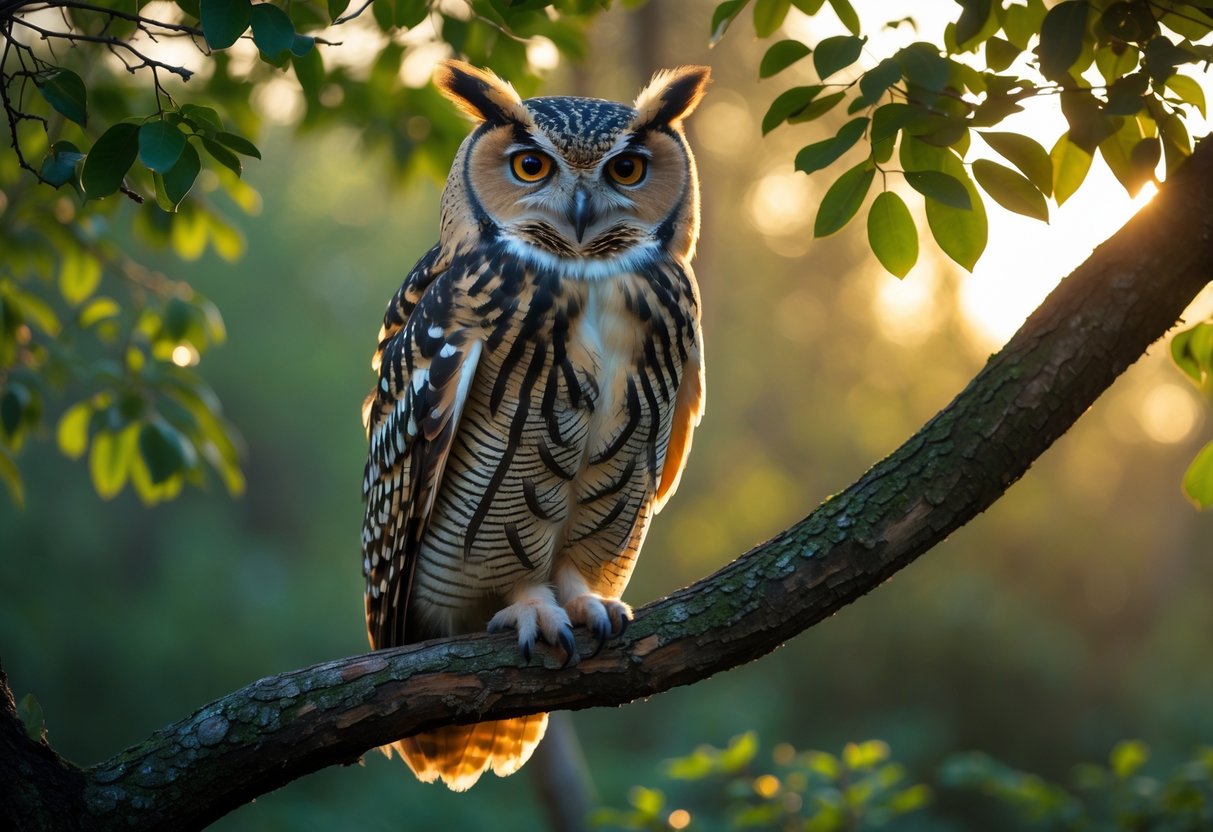
Your local owls might have different lifespans than those found on the other side of the world. For example, Great Horned Owls stick around way longer than smaller Barn Owls.
Knowing these differences really helps you see how varied birds of prey can be.
If you’re curious about what shapes an owl’s lifespan and which ones last the longest, keep reading. There’s a lot to learn about their habits, life expectancy, and why some manage to survive when others don’t.
How Long Do Owls Live?
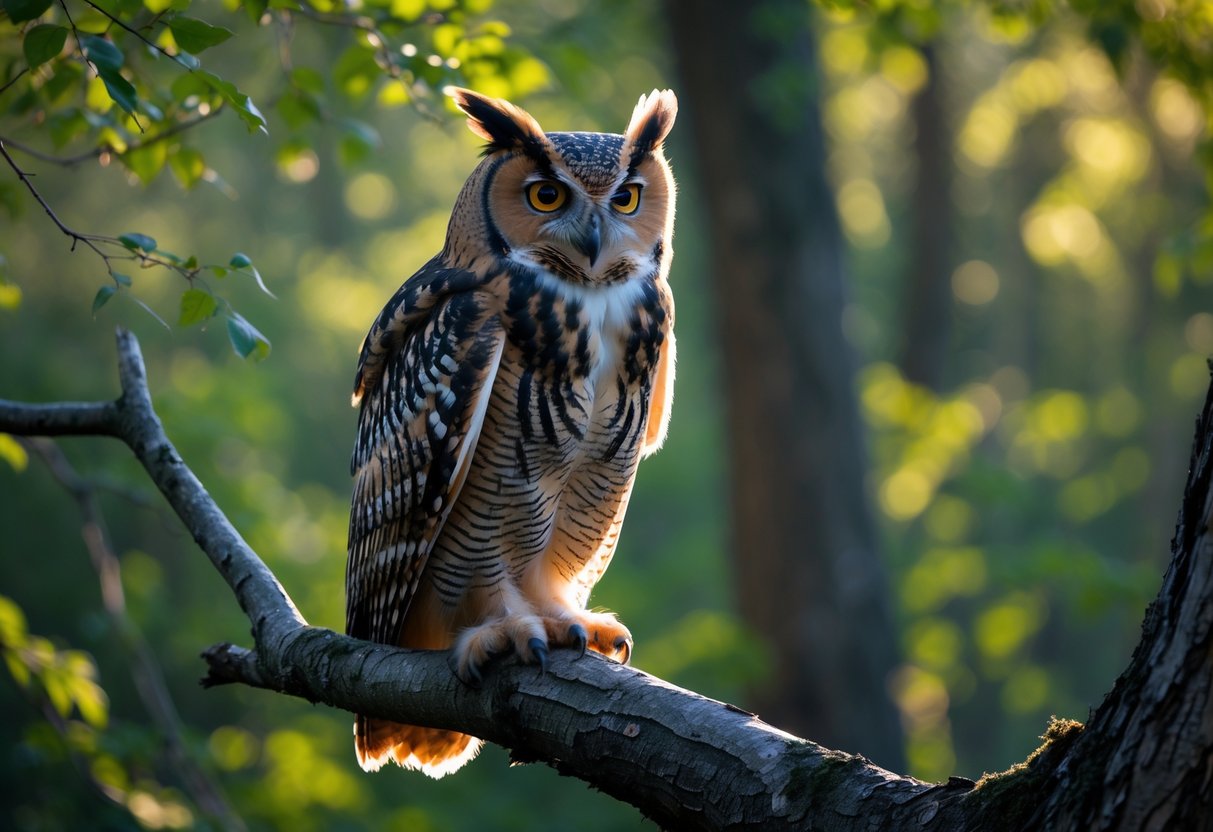
Owls’ lifespans really depend on their species and where they live. Some only get a few years in the wild, while others can make it to 20 years or more in captivity.
You’ll notice their lifespan changes based on their environment, care, and type.
Average Lifespan of Wild Owls
Most wild owls live about 5 to 12 years. Smaller species usually don’t last as long, while the bigger ones have better odds.
Barred owls, for example, often reach around 10 years, though a lucky few hit 20 in the wild.
Things like food, weather, and predators play a big part in how long owls last outside. Starvation and harsh weather end a lot of young owls’ lives.
In Britain, barn owls have a tough time making it through their first year, and most don’t live past 18 months.
Lifespan of Captive Owls
Owls living in zoos or as pets generally outlive their wild relatives. Great Horned Owls might reach 30 years or more in captivity with the right care.
There was even a female owl at the San Francisco Zoo who made it to 50 years.
Living in captivity means owls avoid things like starvation and nasty weather, so they rack up more years. A captive barred owl can easily reach 20 years or more.
Good diet and medical care really make a difference.
Comparing Lifespans Among Species
Each owl species has its own average lifespan. Here’s a quick look:
| Owl Species | Wild Lifespan | Captive Lifespan |
|---|---|---|
| Great Horned Owl | 10 to 15 years | 30+ years |
| Barred Owl | About 10 years | 20+ years |
| Barn Owl | 1.5 to 4 years | 10+ years |
| Spotted Owl | 15 years | 20+ years |
Bigger owls like the Great Horned Owl usually stick around the longest. Barn owls often have short wild lives because of early risks.
Spotted owls tend to live somewhere in the middle, but they do better with some shelter and care.
Key Factors Affecting Owl Longevity
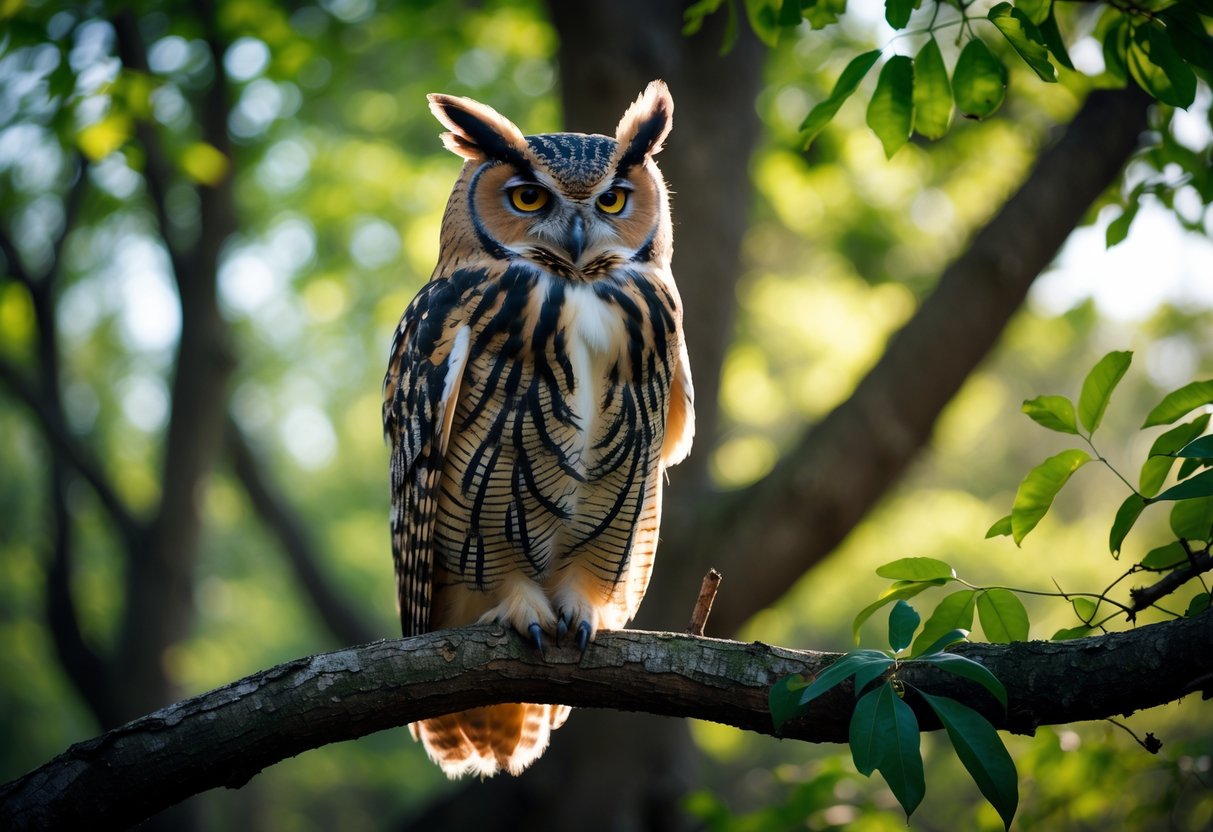
Several things shape how long owls last. Where they live, what they eat, and what dangers they face all play a part.
These factors combine in interesting ways, and honestly, they help explain why some owls stick around for years while others don’t.
Habitat and Home Range Impact
An owl’s home makes a huge difference. Owls living in big, healthy places like thick forests tend to last longer.
These areas have more food, safer nests, and fewer threats. When people break up their habitat with farms or cities, owls lose shelter and food.
Owls also need enough space to hunt and raise their young. If their area shrinks, they have a harder time surviving.
Predators like raccoons sometimes raid nests, especially in certain habitats, which makes things even tougher for young owls.
Protecting wild spaces really helps owls live longer. You’ll notice they tend to do better in quiet, resource-rich homes.
Diet and Common Prey
Owls depend on what they eat to stay strong and healthy. Most hunt small animals—things like amphibians, insects (even centipedes), and rodents.
A steady food supply helps them grow and raise chicks.
If prey runs low, owls can get weak or may have to leave their home to find food. That puts them at risk for injury or starvation.
Different species focus on different prey, so changes in those populations really affect them.
A good, varied diet supports a longer life. When there’s plenty to eat, owls don’t have to work as hard hunting, which lets them rest and recover.
That extra nutrition helps protect them from disease and stress.
Predators and Threats
You might think owls have barely any enemies, but honestly, they do face some serious threats. Larger birds of prey and even mammals like raccoons sometimes go after owls, especially the smaller ones or helpless owlets.
When breeding season rolls around, owls spend a lot more time sitting on their nests. That leaves them wide open to predators.
Cars and other human-made stuff can pose real dangers, too—especially around cities. It’s not uncommon for owls to get hit by vehicles.
People don’t always make it easy for owls, either. Habitat destruction pushes them closer to danger, and pesticides that poison their prey end up hurting the owls over time.
It’s good to be aware of these dangers if you’re curious about why some owls just don’t live as long as others.


