
Frogs probably aren’t the first thing you think of when you picture healthy eating. Still, if you’re adventurous or just curious about unusual foods, frogs might surprise you. Frog meat packs a lot of protein, vitamins, and minerals, so it’s a pretty healthy pick as long as you cook it right.
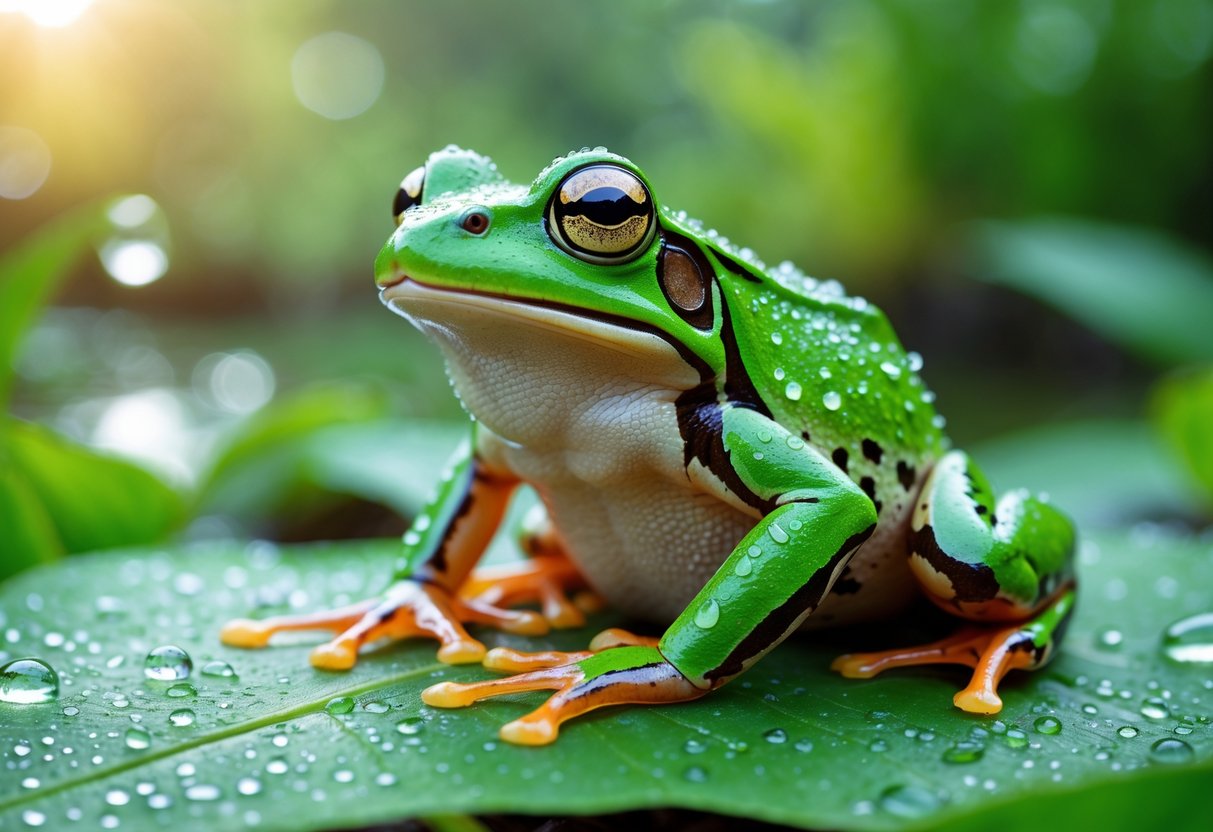
Maybe you’re wondering if eating frogs is safe or if there’s something risky about it. As long as you cook frogs properly, you don’t really need to stress about harmful effects.
Frog legs have a light texture and a flavor that’s a bit like chicken, which a lot of people actually enjoy.
Frogs aren’t just about food—they help out in nature by keeping pests in check and supporting other animals. When you learn about their benefits, you might find yourself appreciating them more, whether they’re in your garden or on your plate.
If you want to dig into frog nutrition and safety, check out this detailed discussion. There are also some potential risks, which this Goa news article explains.
Are Frogs Good for You?

Frogs offer benefits for your body and mind, and they help the environment too. When you eat them, you get nutrients.
Frogs also contribute to medicine and keep natural spaces balanced. Sometimes, you might not even notice the ways frogs are helping out.
Physical and Emotional Benefits of Frogs
Eating frog legs can actually be good for you. They’re loaded with protein and have vitamin A, potassium, and omega-3 fatty acids.
These nutrients help lower blood pressure and might even cut your risk for heart disease. Omega-3s are also connected to better brain health.
Hanging out near frog habitats can lift your mood. The sounds frogs make at night are calming and help you feel closer to nature.
This can melt away some stress and leave you feeling a bit more peaceful.
Frogs in Medicine and Scientific Research
Scientists have turned to frogs for years in medicine and research. Their skin makes unique chemicals, and researchers study these for new medicines.
Some frogs can regrow limbs, which is just wild, and scientists hope to unlock those secrets to help people heal.
Studying frogs teaches us about environmental health. Since frogs react quickly to pollution, researchers use them to spot dangers in ecosystems.
This guides us on how to protect both our surroundings and our own health.
Environmental Role and Ecosystem Impact
Frogs really help keep ecosystems in balance. They eat lots of insects that bug you or damage crops.
This natural pest control means you don’t have to rely so much on chemicals in your garden.
When frogs are doing well, it usually means the environment is healthy. If their numbers drop, it’s often a sign of pollution or habitat loss.
Protecting frogs helps keep the natural world in shape, which you need for clean air and water.
If you want frogs in your garden, there are ways to attract them and enjoy the benefits. For ideas, see why frogs are good for your garden and how to invite them.
Frogs as Pets: Considerations & Popular Species

Keeping a pet frog is definitely a unique experience. You’ll need to know how to care for them, which types are easier, and what to expect before you make the leap.
Pros and Cons of Pet Frogs
Frogs can be pretty low-maintenance since you don’t have to walk them. They’re quiet and don’t need much space, so they fit into smaller homes.
Some frogs live for 4 to 15 years, so you’re signing up for a long-term pal.
But frogs need the right temperature, humidity, and clean water to stay healthy. Their tanks need regular cleaning because they’re sensitive to contaminants.
Frogs don’t usually enjoy being handled, since their skin is delicate. If you travel a lot, taking care of a frog might be tough while you’re away.
Beginner-Friendly Frog Species
If you’re just starting out, some frogs are easier to care for than others. Dwarf clawed frogs are fully aquatic and stay small, so beginners like them.
White’s tree frog is another good pick—it’s calm and doesn’t need a huge tank, but it does love to climb.
American green tree frogs are hardy and active, and you’ll often find them in pet homes.
Pacman frogs mostly stick to the ground and are easy to feed, though they can grow pretty big. Fire-bellied toads are lively and semi-terrestrial, making them fun to watch.
If you’re new to frogs, skip species like the African bullfrog or poison dart frog—they need more specialized care.
Proper Care and Habitat Requirements
Every type of pet frog has its own needs when it comes to habitat. If you’ve got an aquatic frog, like the African clawed frog, you’ll want a tank that’s mostly water.
Tree frogs—think red-eyed tree frogs or gray tree frogs—do better in tall tanks. They love climbing, so toss in some branches and keep the humidity high so they can hide and explore.
Aim for daytime temperatures between 75°F and 85°F. Try not to let it drop under 68°F at night.
Tropical species need humidity above 70%. That can be a bit tricky, but it’s important.
Feed your frog live food. Crickets, worms, and moths usually work well. If you have a big frog, it might even want the occasional small mouse.
Choose substrates like coconut husks or peat moss. Skip rocks or gravel since frogs might accidentally swallow them.
Always provide clean water. Clean the tank regularly to help your frog stay healthy and avoid infections.


