
Did you know some frogs can actually change their gender? Sounds wild, right? But it’s true—certain frog species can switch from male to female, especially when they’re still tadpoles.
Frog gender isn’t always set in stone. Changes can happen in nature, even when there’s no pollution around.
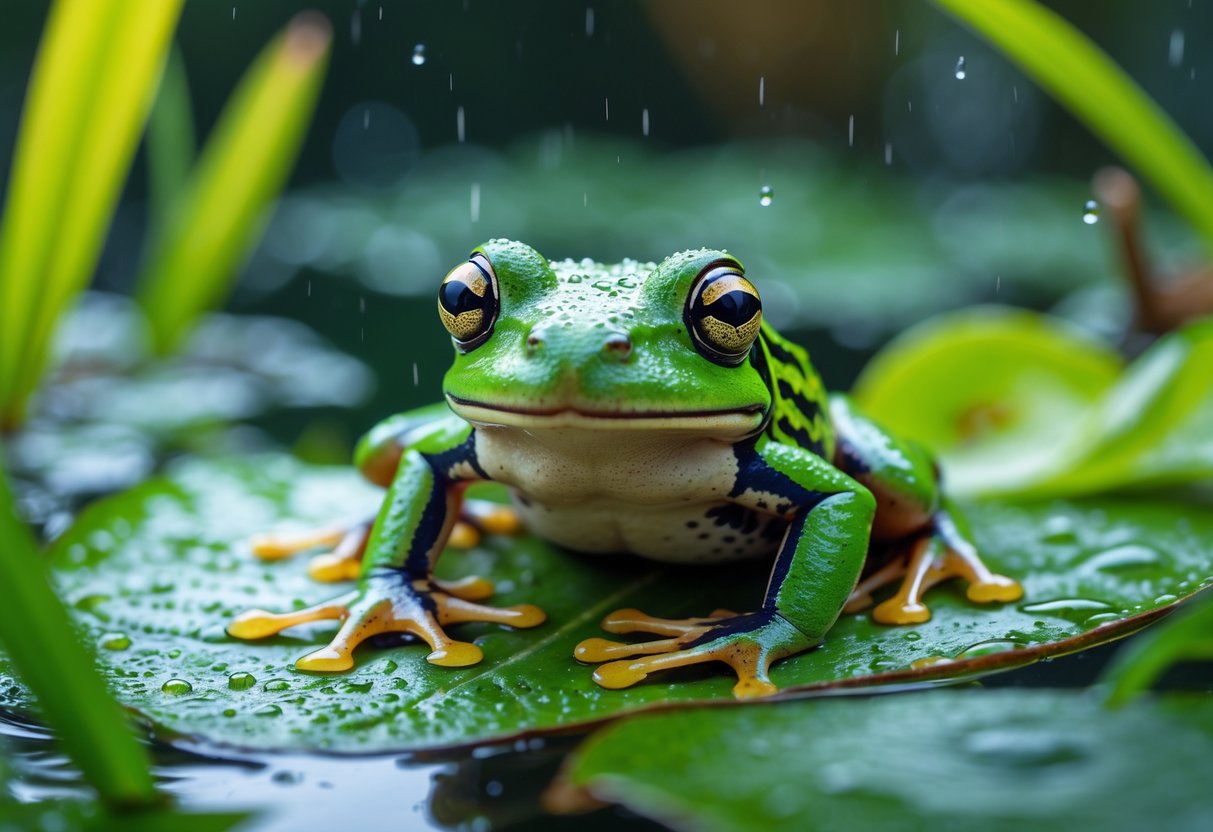
This ability to change sex helps frogs adjust to their surroundings. It keeps populations balanced, which is pretty clever if you think about it.
Researchers have spotted sex changes in wild frogs far from any human activity. That means it’s just part of how some amphibians roll.
If you’ve ever wondered how animal gender works beyond the basics, frogs are a fascinating example. Let’s dig into how and why these amphibians pull off this unusual trick.
How Frogs Determine and Change Gender

Frogs use a mix of genetics and environment to figure out their sex. Sometimes, their gender can actually change while they’re developing.
Certain genes and hormones push a frog to become male or female. But outside stuff—like temperature or chemicals—can shake things up too.
Genetic Sex Determination in Frogs
Frogs have sex chromosomes that decide their biological sex. Unlike humans, who have XY males and XX females, some frogs use a ZZ/ZW system. Males get two of the same chromosomes (ZZ), while females have ZW.
These chromosomes tell the body how much testosterone or estrogen to make. That guides development—like growing male or female organs while still a tadpole.
Genes usually give frogs a direction, but in their world, it’s not always a done deal.
Environmental Factors Affecting Frog Sex
The environment can tip the scales if you’re a frog. Temperature swings, pollution, or certain chemicals can mess with hormone levels.
Sometimes, chemicals in suburban ponds mimic estrogen. That can make male frogs start showing female traits.
Temperature, especially when frogs are still larvae, can push their bodies one way or the other. So, the environment can override what the genes had planned.
It’s kind of wild to think about, but sex reversal might happen because of nature—or thanks to us humans.
Mechanisms of Sex Reversal in Frogs
Sex reversal means a frog’s physical sex doesn’t match its genetic sex. Environmental triggers, like hormone changes, can flip the script.
For example, if a genetically male frog starts making more estrogen, it might develop female features instead.
This usually starts when the frog is still a tadpole. It might begin growing one set of gonads, but then hormones push it to switch.
Old gonads shrink, and new ones form, depending on what’s happening with hormones. This flexibility isn’t just some weird fluke—it’s actually pretty common for frogs.
Natural and Environmental Causes of Frog Sex Reversal
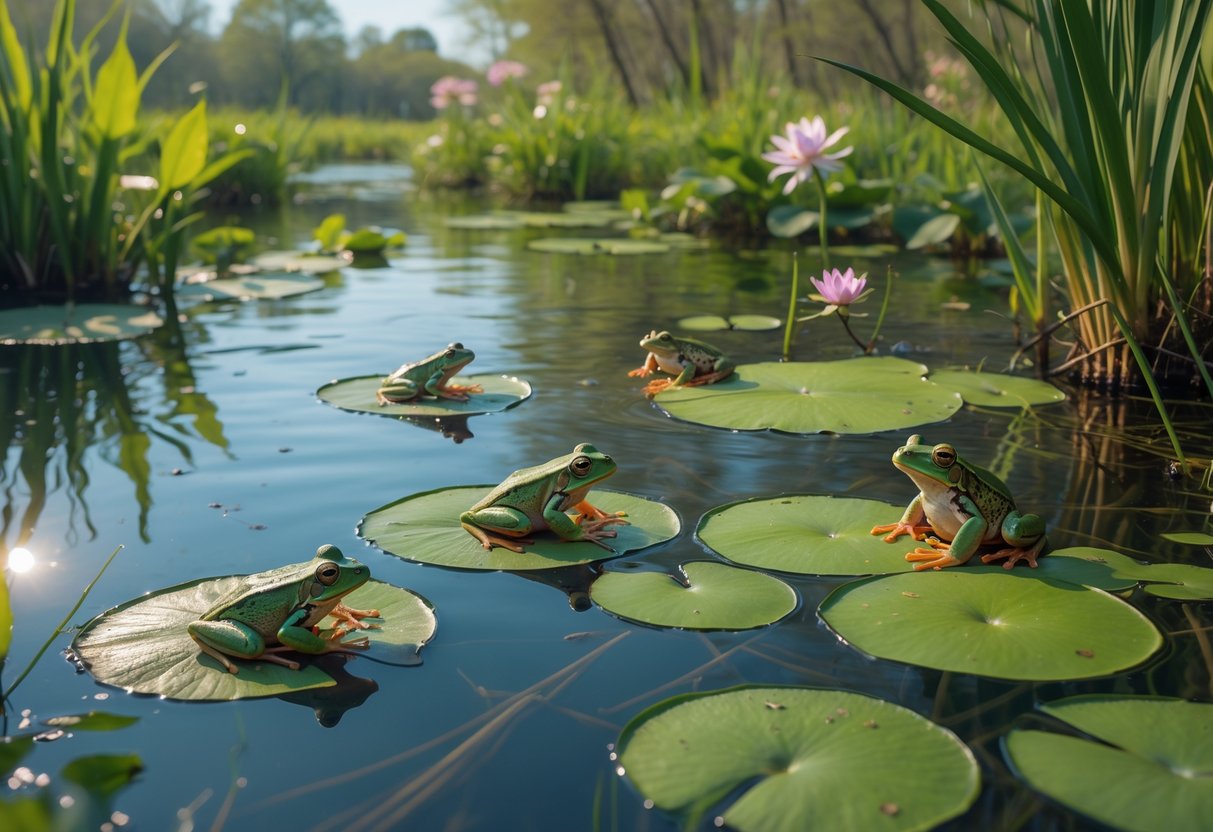
Sex reversal in frogs happens because of both natural changes and stuff humans do. Pollution and temperature shifts can both influence how a frog develops.
This can shake up frog populations, especially if certain conditions or chemicals tip the balance.
Pollution and Endocrine-Disrupting Chemicals
Some pollutants in water can mess with frog hormones. Pesticides like atrazine are a big problem—they mimic hormones and confuse sexual development.
Atrazine, for example, has caused male frogs in some ponds to turn female. That’s pretty alarming if you care about frog populations.
Scientists call these pollutants endocrine-disrupting chemicals. They interfere with hormone signals, which can lead to way too many females or weird sex ratios.
That’s bad news for breeding and survival. Other pollutants can do the same thing, even if there’s no obvious pollution nearby.
Sometimes, chemical runoff from farms or cities sneaks into ponds and does the damage. It’s not always easy to spot, but the effects can be big.
Climate Change and Temperature Effects
Temperature plays a huge role in frog sex, especially early on. If the water gets warmer, it can flip a frog’s sex from female to male, or the other way around.
Take the agile frog, for example. A heat wave during the larval stage can turn genetic females into males.
Climate change is making these temperature swings more common, especially in places where humans have changed the land.
If you live near a pond or wetland, you might notice how heat waves or warmer summers seem to change the frogs you see. Urban and farm areas often make these effects worse because of all the extra heat.
Examples from Specific Frog Species
Let’s look at a few species that really show sex reversal in action. Take the green frog, for example—researchers have spotted natural sex reversal happening even in wild populations. Pollution isn’t always to blame here, which honestly surprised me at first. It turns out that a range of environmental factors can play a role.
You’ll find the African reed frog, Hyperolius viridiflavus, especially interesting. This species starts life as female and then, at some point, switches to male. That’s just how their biology works. It’s a clever way these frogs keep their sex ratios balanced and stay flexible in different environments.
Studies in suburban ponds often notice more females than males, probably because of chemical exposure. But here’s the thing—sex reversal still shows up in cleaner, forested spots too. So, it’s not just human pollution at work; natural conditions can definitely cause these changes as well.
If you’re curious and want to dig deeper, National Geographic has a great piece about frogs reversing sex in both polluted and natural habitats.


