
Ever wondered if frogs can actually change their gender? You’re definitely not the only one. The short answer? Yep—some frogs really can switch from male to female or the other way around.
This wild ability helps them deal with changes in their environment and keeps populations steady, especially if there aren’t enough frogs of one sex.
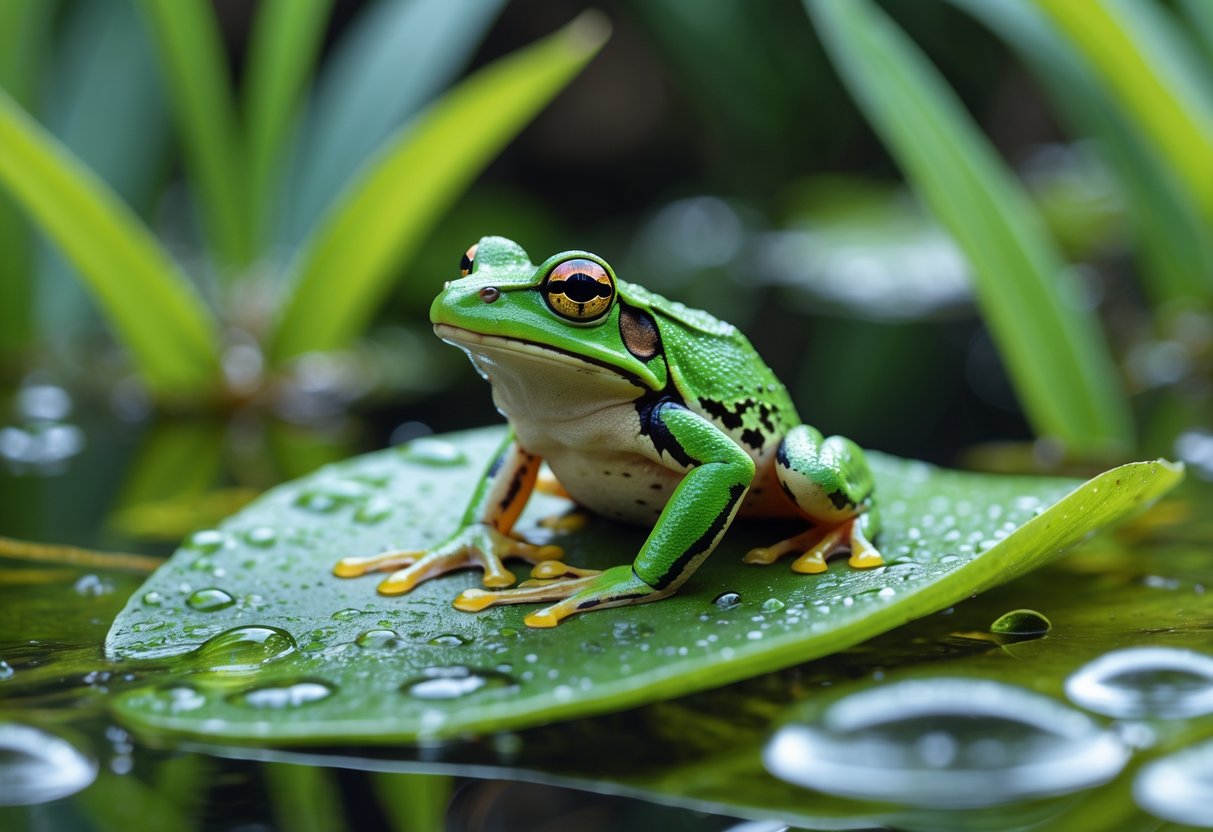
A lot of people assume this only happens in polluted places, but that’s not true. Scientists have found that frogs can change sex even in clean, untouched habitats.
Most of the time, this switch happens when they’re still tadpoles, which actually makes their life cycle even more interesting. When you dig into this topic, you start to see nature works in some pretty unexpected ways.
Figuring out how frogs manage their gender gives us clues about how animals survive when things get rough. Curious about why this happens and what it means for frogs everywhere? Let’s jump into their world and see what’s going on.
If you want more info, check out frogs that change gender in natural settings.
How and Why Frogs Change Gender

Frogs change gender for a few reasons—sometimes it just happens naturally, and sometimes pollution or chemicals push them to do it. This switch helps them survive and keeps their numbers healthy.
Different species handle this in their own ways, and it can happen at different points in their lives.
Natural Sex Reversal in Frogs
Some frogs pull off a natural sex switch, especially if there are too many males or females around. This helps keep things balanced for mating and survival.
You see this in species like the African clawed frog (Xenopus laevis) and green frogs. A male might become female, or a female might turn male, all to boost their odds of breeding and keeping the species going.
Hormone changes drive this whole process. When the environment favors one sex, these hormones kick in and change the frog’s reproductive organs.
You’ll notice this more in frogs living in places where things change a lot, like isolated ponds.
Environmental and Chemical Influences
The world around a frog can mess with its gender, too. Chemicals—especially pesticides and pollutants like atrazine—can cause frogs to switch sex or even develop both male and female organs.
These substances throw off their hormones during development, which confuses their biology. It’s not just a problem in dirty water; even frogs in seemingly clean ponds can deal with this.
When humans pollute water, frogs feel the effects. Sometimes, this helps frogs survive, but it usually points to bigger problems in the ecosystem.
Stages of Development Affected
Frogs are most likely to change sex when they’re young—think tadpole stage or just after.
At this point, their sex is pretty flexible. Environmental signals or hormone changes can push their gonads to develop differently than you’d expect.
After they grow up, it’s much rarer for frogs to switch, but it’s not impossible. Knowing when frogs are most likely to change sex helps explain why some species do it more than others.
Species-Specific Examples
Not every frog can change gender, but some are famous for it. The African clawed frog (Xenopus laevis) is a classic example, and researchers have studied them a lot for this reason.
Green frogs also show this trick, especially if their environment is under stress. They might even become hermaphrodites to keep reproduction on track.
Other frogs rarely, if ever, change sex. It mostly depends on their genetics and how much their surroundings push them to adapt.
If you’re curious about your local frogs, it’s worth checking which species can pull off this change.
For more details, take a look at gender change in frogs and how the environment affects amphibians.
Impact of Endocrine Disruptors and Environmental Pollutants

It’s honestly kind of shocking how certain chemicals in the water can mess with frogs’ sex and overall health. These substances—especially some pesticides—mess up the hormones that control how frogs develop.
The effects can ripple through frog populations and the whole ecosystem.
Effects of Atrazine and Other Herbicides
Atrazine, a common herbicide in farming, has a big impact. Even tiny amounts can make male frogs lose their male traits or even turn into females.
Atrazine disrupts hormones like testosterone. Studies show it can “emasculate” up to 75% of male frogs and turn about 10% into females.
These changes mean a lot of males can’t reproduce, which throws off the balance between males and females. Other pesticides can cause similar problems, but atrazine stands out because it’s everywhere and has such strong effects.
Implications for Frog Populations
When lots of male frogs become infertile or switch sex, the whole group struggles. The sex ratio gets weird—too many females, not enough males.
Some of those new females are genetically male, so they mostly have male babies. That makes the balance even worse.
With fewer young frogs surviving, the population shrinks and gets weaker. This leaves frogs more open to disease and changes in their habitat.
If you care about frogs, it’s worth knowing that these chemical impacts might be a big reason why amphibian numbers have been falling all over the world.
Endocrine-Disrupting Chemicals in Aquatic Habitats
Frogs spend a lot of time in water, so they’re really exposed to pollutants that run off from land. Pesticides, industrial waste, and other human activities release endocrine-disrupting chemicals (EDCs) into these habitats.
Even tiny amounts of EDCs can mess with hormone signals. These chemicals can lead to developmental issues, trouble with reproduction, or even cause frogs to change sex.
Since frog eggs and tadpoles grow in water, a polluted pond isn’t exactly a safe place for them. It’s kind of unsettling to think about how these pollutants don’t always kill frogs right away.
Instead, they slowly chip away at the frogs’ ability to reproduce and survive. Over time, this leads to fewer and fewer frogs.
If you’re curious about the details, check out some research on endocrine disruptors and frogs.


