
Ever notice owls getting chatty when September rolls around? It’s not just your imagination. Owls hoot in September mostly to claim territory and gear up for their late-winter breeding season. They start calling early to set up their homes and warn rivals to back off.
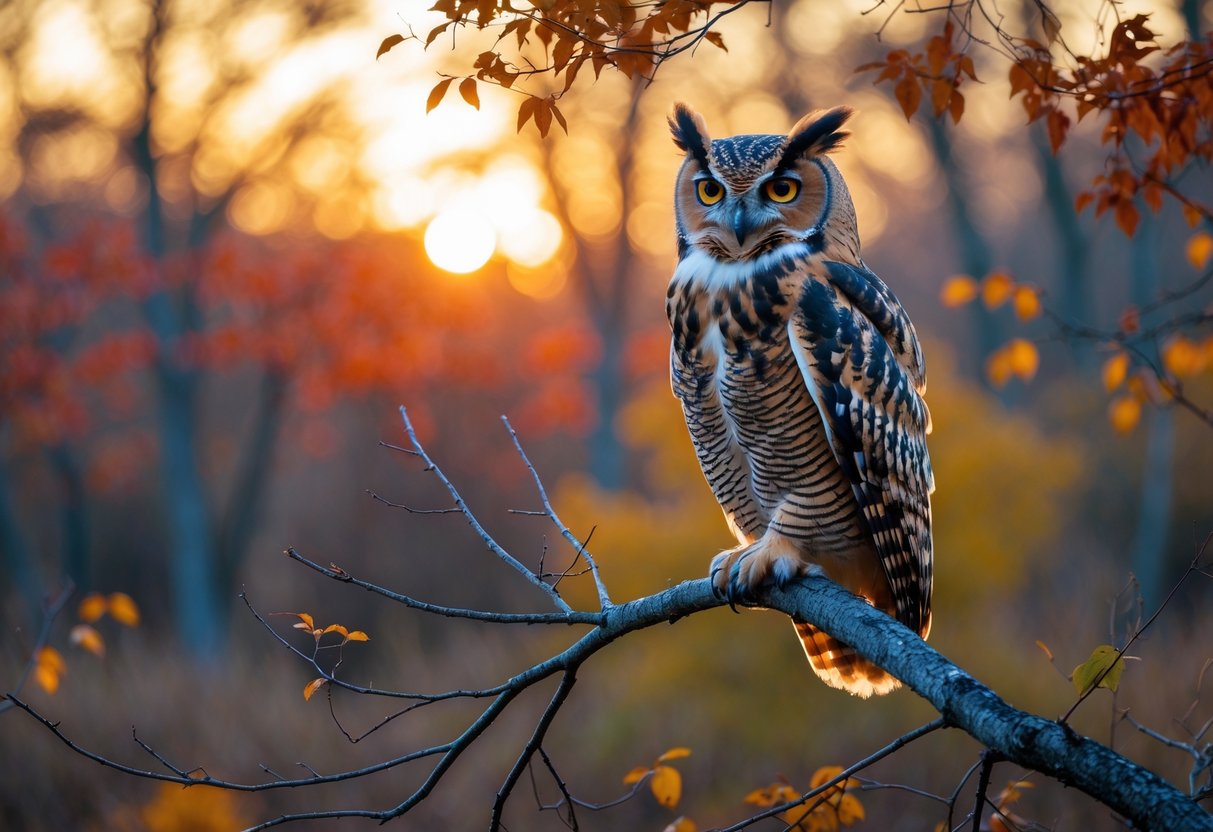
September matters a lot to owls. You’ll probably hear males and females hooting to each other—almost like they’re singing a duet—to strengthen their pair bonds and keep their turf secure.
Their calls travel farther in the crisp fall air, so they can communicate more easily as the nights get longer.
Hearing these sounds might give you a chill at night, but honestly, it’s just owls prepping for the months ahead. Knowing why they’re hooting now adds a new layer to those autumn nights. If you’re curious, you can dig into more details at WSU News.
Why Owls Hoot More Often in September

Come September, you’ll probably notice owls calling out more than usual. They’re marking spaces, getting ready for courtship, and reacting to environmental changes.
Great horned owls, for example, really ramp up their hooting as part of their fall routine.
Seasonal Triggers for Hooting
As days get shorter and nights cool off, owls start hooting more. This shift in daylight messes with their internal clocks and tells them it’s time for important stuff.
Great horned owls and others react to these seasonal changes by getting more vocal. Your odds of hearing those deep hoots, or the barred owl’s “Who cooks for you?” calls, go way up as fall kicks in.
Cooler, quieter nights help their calls travel farther. With less wind and fewer bugs making noise, it’s prime time for owl conversations.
Territory Establishment
Owls guard their hunting grounds fiercely, especially in early fall. In September, they hoot to claim their area and warn others to keep out.
Great horned owls use loud, repeated hoots to announce, “Hey, this spot’s mine!” That way, they cut down on fights by making sure everyone knows who’s in charge.
Barred owls and other types do the same thing to patrol their turf. Keeping their hunting area clear means more food and a safer spot for winter.
Courtship and Pair Bonding
A lot of owls start the courtship dance in fall. In September, males might hoot softly, sometimes dueting with females, to build their bond.
Great horned owls use these gentler, patterned calls to attract mates and get ready for nesting, which usually happens later in winter.
You might catch pairs hooting together, showing they’re working on their relationship. These courtship hoots have a musical vibe and aren’t as aggressive as the loud territorial ones.
Types of Owl Hoots and Their Meanings
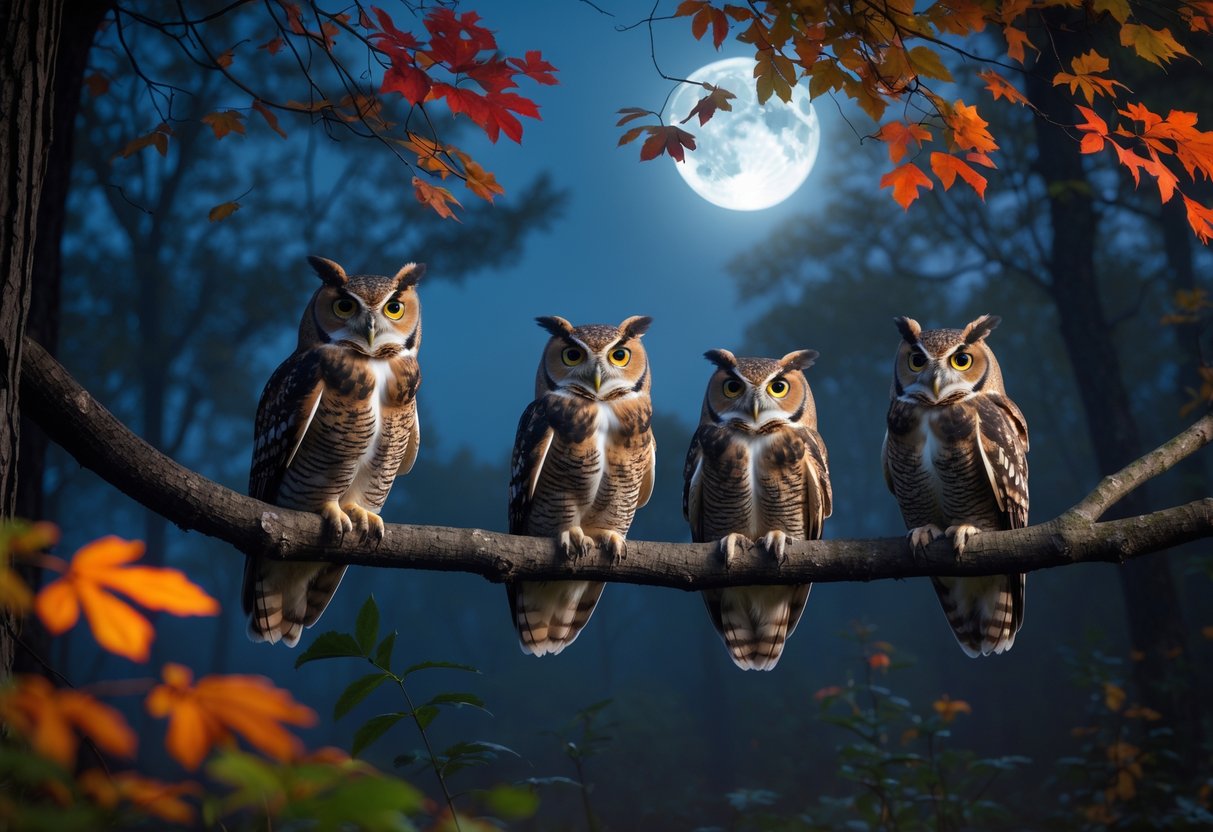
When owls hoot, they’re not just making noise—they’re sending messages. The meaning depends on the species, the situation, and even the time of year.
If you listen closely, you’ll pick up whether they’re marking space, chatting with family, or warning off intruders.
Typical Hooting Patterns
Most owls stick to low, rhythmic hoots that echo through the night. The Great Horned Owl, for example, gives a deep “hoo-hoo-hooo” several times. That’s their way of staking their claim and letting others know they’re around.
Barred Owls (Strix varia) have a different approach. Their call sounds like a question: “Who cooks for you? Who cooks for you-all?” That phrase can travel for over a mile and usually marks the edge of their territory.
In September, you’ll probably notice more frequent hoots as owls get serious about setting boundaries before the breeding season. You might even hear some changes in pitch or rhythm if other owls are nearby.
Differences Between Species Calls
Owls don’t all hoot the same way. Barn Owls, for instance, skip hooting entirely and go for a screech instead.
Eastern Screech-Owls use trills, while Northern Saw-whet Owls give short “toots.”
These unique calls make it easier to figure out which owls live in your neighborhood. The Great Horned Owl’s deep voice stands out compared to the Barred Owl’s softer hoots.
If you get familiar with these sounds, you’ll start to recognize which owls are active during September nights. Each species’ call matches their hunting style, prey, and habitat, so they can get their message across without any confusion.
Communication With Other Owls
Owls mostly hoot to talk to each other. When you hear one hooting, it’s probably marking its territory or telling rivals to back off.
Male owls often sit on high branches and hoot loudly to defend their space.
Sometimes, hooting helps attract a mate. In September, some owls start their courtship calls, hoping to find a partner before breeding season.
You might even hear a duet—male and female owls hooting back and forth. It sounds pretty cool and helps them build a stronger bond.
Family members also use hoots to keep in touch, especially when young owls are still learning to call.
If you listen closely, you can sometimes tell when owls are talking about food, warning each other about danger, or just letting others know where they are.


