
Ever spotted an opossum and wondered why they don’t seem to stick around for long? You’re definitely not the only one. In the wild, opossums usually make it just 1 to 2 years.
They face big risks from predators, lots of accidents (cars seem to be a major culprit), and their bodies just age really fast.
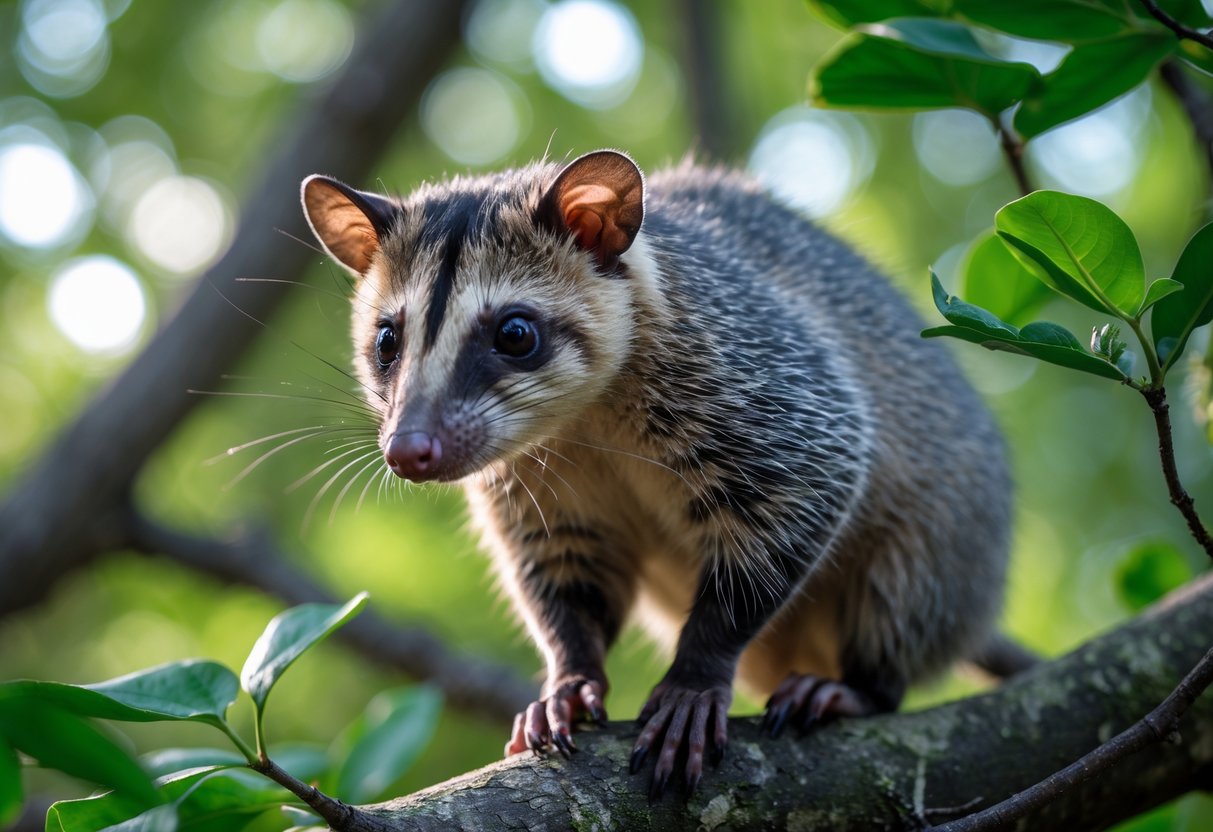
Life’s rough for an opossum. Every day, they dodge dogs, cats, and cars, just trying to survive. Their odd immune system and low body temperature also impact how long they stay healthy, so most just don’t last much past a couple of years.
Even with such short lives, opossums keep their species going by having lots of babies—fast. When you understand why opossums don’t live long, you start to see how they manage to survive and why they matter in nature.
For a deeper dive into their lifespan and habits, you might want to check out this in-depth opossum lifespan information.
Core Reasons for Opossums’ Short Lifespan

A lot of things cut an opossum’s life short. Predators, threats to their young, their biology, and changing environments all play a part.
Predation Pressures from Coyotes, Bobcats, Foxes, Owls, and Hawks
Opossums attract a lot of attention from hungry animals. Coyotes, bobcats, foxes, owls, and hawks all hunt them. The danger never really lets up.
Since opossums move slowly and often “play dead,” predators can catch them pretty easily. These hunters know what they’re doing.
Most opossums don’t even make it past their first year. Being so low on the food chain keeps their average lifespan pretty short.
High Infant Mortality Among Joeys and Baby Opossums
Joeys—the baby opossums—have it especially tough. A lot of them never make it to adulthood because of rough conditions and predators.
After they’re born, joeys hang out in their mom’s pouch for two to four months. They’re super vulnerable to disease and stress during this time.
Once they leave the pouch, they have to figure out food and avoid danger all by themselves. Honestly, a lot don’t survive this stage.
Opossums rely on having tons of babies, knowing that only a handful will make it. It’s a numbers game for them.
Rapid Aging and Unique Marsupial Biology
Opossums’ bodies just age quickly. Their biology is pretty different from other mammals.
They’re marsupials, not placental mammals, so their babies grow outside the womb in a pouch. This affects how fast they develop and age.
Their immune systems help in some ways, but they don’t last as long or stay as strong as in other animals. Opossums also have a lower body temperature, which changes their metabolism.
All this means they start showing signs of old age—like weight loss or cataracts—after just a few years.
Environmental Risks and Habitat Loss
Where opossums live makes a big difference in how long they last. They often end up near people, which means more cars, pets, and pollution.
When forests disappear and cities grow, opossums lose safe spots to hide and find food. They have to take bigger risks just to survive.
Living in broken-up or polluted habitats adds stress and weakens their immune systems. Getting sick becomes a lot more likely.
These environmental problems make life even shorter for opossums, on top of all the other dangers they face.
Reproduction, Survival Strategies, and Life Stages

Opossums don’t waste time—they live fast and make sure their species keeps going. They grow up quickly, deal with a lot of health issues, and just don’t live as long as other marsupials or mammals.
Intensive Reproductive Strategy and Rapid Maturation
Opossums breed at a fast pace. Female opossums have a short estrous cycle—about 28 days—and only stay in heat for around 36 hours.
If the conditions are right, they can have several litters a year. After giving birth, the tiny joeys crawl into their mom’s pouch and grow quickly.
This quick growth and frequent breeding help keep their populations steady, even though most don’t survive long. Their strategy is pretty much: have a lot of babies, really fast, and hope some make it.
Role of Disease and Immune System Challenges
Opossums deal with a lot of health threats. Parasites and viruses attack them all the time, though they do have some resistance to things like rabies.
Still, heavy parasite loads and infections can wear them down. Their immune systems have to work overtime, which takes a toll.
Because of this, an opossum’s life can be cut short by health issues alone. Combined with predators and accidents, these challenges make it tough for them to stick around long.
Comparison to Other Marsupials and Mammals
When you look at other marsupials like possums and kangaroos, opossums just don’t stick around as long. Most opossums make it to only 1-3 years old, which feels surprisingly short. Meanwhile, lots of possums and plenty of other mammals get to live much longer lives.
Why is that? Well, opossums seem to have gone all-in on a fast-paced lifestyle. Instead of spending years growing slowly, they put their energy into quick reproduction and rapid growth. It’s like they’re racing against time, and honestly, it kind of works for them.
This approach helps them keep their numbers up, even though life in the wild throws all sorts of dangers their way.


