
Ever get stuck wondering if you should say “opossum” or “possum”? Trust me, you’re not alone. People toss these words around like they’re interchangeable, but they actually point to two different animals.
Which one is right? It honestly depends on where you are. “Opossum” refers to the marsupials in North and South America. “Possum” is for the lookalike animals in Australia.
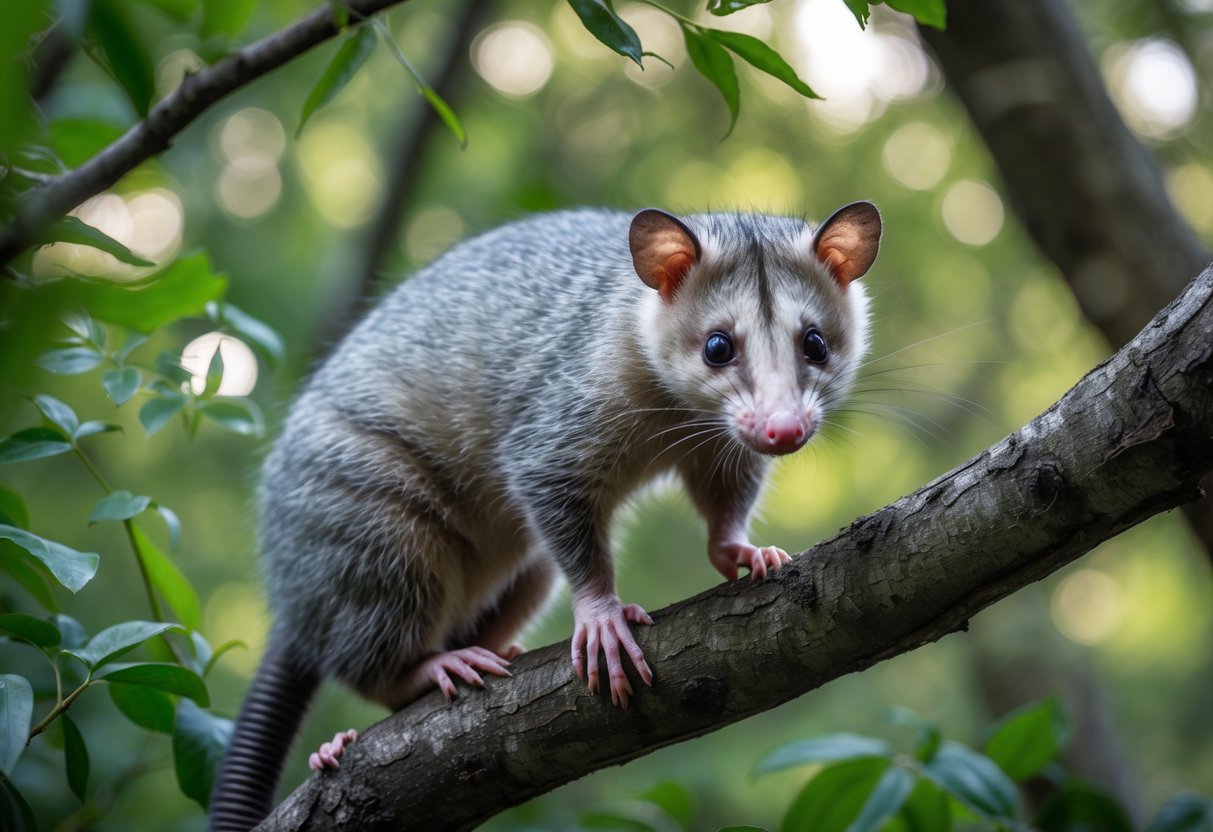
In the U.S., people often just say “possum” when they mean “opossum.” That’s super common. But if you want to sound like you really know your marsupials, it helps to get the difference right.
Honestly, the history behind these words is kind of fascinating. If you’re curious about the animals themselves—some play dead, some have those ridiculously fluffy tails—stick around. Let’s clear this up once and for all.
Is It Opossum or Possum? Understanding the Correct Term
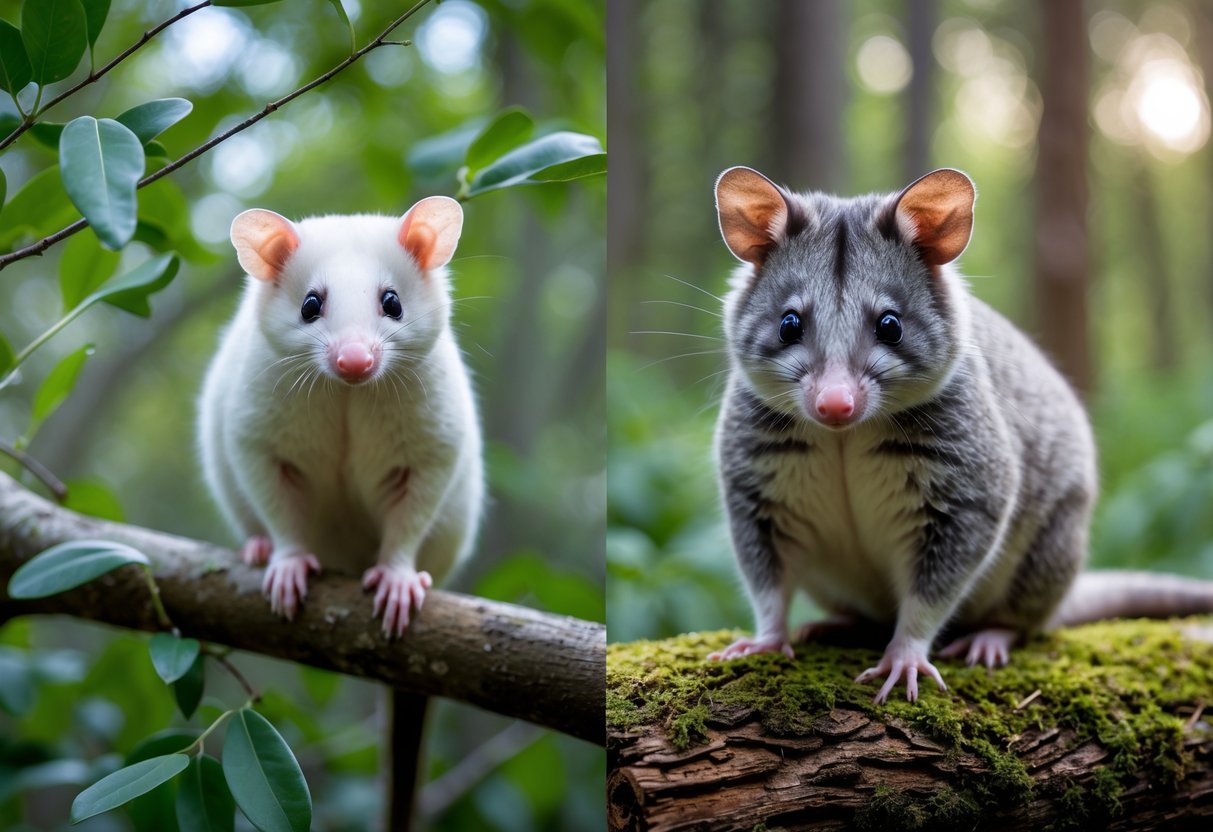
You’ll hear both “opossum” and “possum” when people talk about these little critters. Where did these names even come from? And how do you know which one to use? Let’s dig in.
Origins of the Words “Opossum” and “Possum”
The word opossum comes from Virginia Algonquin, a Native American language. It means something like “white beast” or “white dog,” which fits the pale fur of the Virginia opossum.
English speakers first wrote it down in the early 1600s.
Possum is really just a clipped version of opossum. Early English settlers dropped the “o” sometimes, and both versions popped up in writing around the same time.
Here’s a weird twist: In the 1700s, English explorer Sir Joseph Banks went to Australia and called the marsupials there possums—as if they were related to American opossums. They’re not, but now both animals share similar names.
Regional Differences in Usage
In North America, people use opossum or just possum to mean the Virginia opossum. Most folks say possum because it’s quicker and easier.
In Australia and nearby islands, possum means something totally different. Australian possums live in trees, have those bushy tails, and belong to a completely different marsupial family.
So, here’s a quick breakdown:
| Region | Animal | Common Term |
|---|---|---|
| North America | Virginia opossum | Opossum or possum |
| Australia | Tree-dwelling marsupials | Possum |
Misconceptions and Common Mistakes
A lot of people think possum and opossum are just two ways to spell the same animal. Nope, not really.
Some say the “o” in opossum is silent, so possum is fine. That works for the Virginia opossum, but it gets confusing if you’re talking about Australian possums.
People also sometimes assume possum is the right term everywhere. That’s not the case. In North America, possum is informal; opossum is the scientific word.
The Virginia opossum is famous for “playing possum”—pretending to be dead. Only the North American opossum does this, not the Australian possum.
If you want to avoid mix-ups, it helps to know when to use each word.
You can check out more about the differences between opossum and possum.
Key Differences Between Opossums and Possums
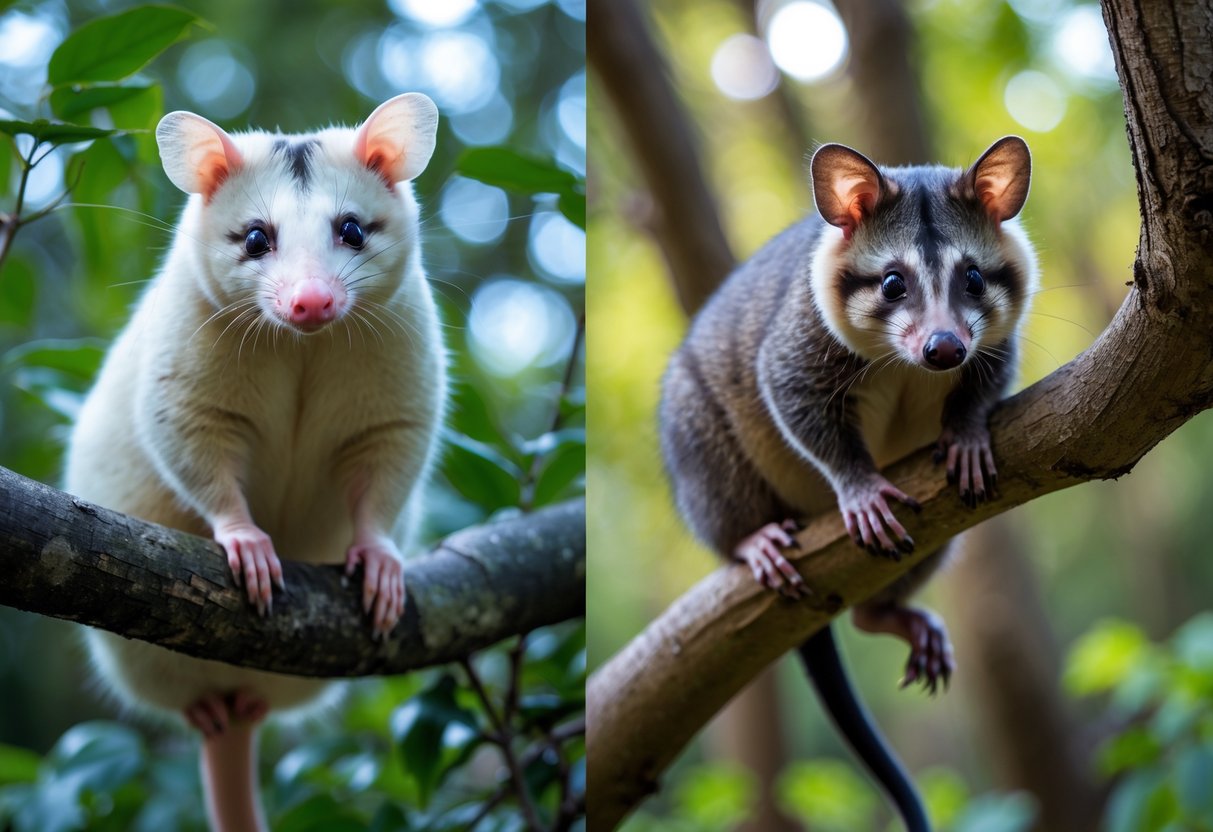
It’s easy to think opossums and possums are basically the same, but they’re not. Their species, appearance, where they live, and how they act all set them apart.
Let’s break it down so you know exactly which animal you’re looking at.
Species and Scientific Classification
Opossums, like the Virginia opossum, belong to the Didelphidae family. They live in North America, and their scientific name is Didelphis virginiana.
Possums mostly live in Australia and New Guinea. The brushtail possum, for example, is in the Phalangeridae family and goes by Trichosurus vulpecula.
Both animals are marsupials, so they carry their babies in pouches. But they come from very different branches of the marsupial family tree.
So, if you call a North American opossum a possum, it’s not technically correct.
Physical Characteristics
Opossums are about raccoon-sized. They have grayish fur, pointy snouts, and a mouthful of sharp teeth that honestly look a bit scary. Their tails are hairless and scaly—kind of weird, but handy for climbing.
Possums are usually a bit smaller, maybe 1 to 2 feet long. They have bushy, furry tails (hence the name brushtail possum). Their faces look rounder, and their snouts aren’t as pointy. Their fur can be gray, brown, or even reddish.
If you spot a scaly tail, you’ve got an opossum. If the tail is fluffy, it’s a possum. That little detail makes it way easier to tell them apart.
Habitat and Geographic Distribution
Opossums live all over North America, especially in the U.S. and Canada. They’re super adaptable, hanging out in both rural and city areas. You might catch them rummaging through garbage or hunting for mice and insects.
Possums are native to Australia and New Guinea. They mostly stick to the trees, loving forests and woodlands. Unlike opossums, possums rarely come down to the ground and are almost always active at night.
So, if you’re in North America and see a “possum,” it’s probably an opossum. If you’re in Australia, you’re looking at a possum. Simple as that.
Unique Behaviors: Playing Possum
People often talk about “playing possum,” but honestly, only opossums pull off this trick. When something scares or threatens them, opossums just drop to the ground and go stiff, mouth hanging open and tongue sticking out.
Sometimes they’ll stay like that for a few minutes, or even hours. Predators usually get confused and wander off, so the opossum gets a chance to slip away.
Possums, on the other hand, don’t bother with playing dead. They’d rather climb a tree or just hide somewhere safe.
It’s kind of interesting—now you know the phrase “playing possum” actually comes from what opossums do, not possums, even though people mix them up all the time.


