
Ever wondered if opossums are actually cleaner than cats? You’re not the only one. A lot of folks assume opossums are dirty, just because they look a bit scruffy and live outdoors.
But if you take a closer look, you’ll notice opossums spend loads of time grooming themselves—kind of like cats do.

Opossums are actually super clean animals. They constantly use their tongues and paws to tidy up their fur and keep pests away.
Since they don’t sweat like humans, grooming helps them stay cool and clean.
It’s funny how understanding this can really flip your opinion about these misunderstood critters. If you’re curious about how opossums and cats stack up in the hygiene department, or why opossums might even be good to have around, let’s dig in.
Comparing Cleanliness: Opossums vs. Cats
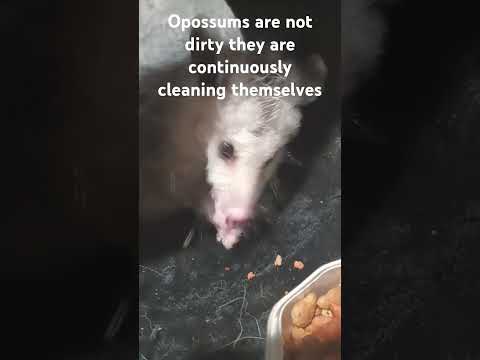
So, which animal keeps cleaner—opossums or cats? It’s a fair question.
Both animals spend a lot of time grooming, but their habits and risks aren’t exactly the same.
Self-Grooming Behaviors
Opossums? They’re surprisingly clean. You’ll often catch them licking their fur and using their paws, just like cats.
Because they don’t have sweat glands, grooming also helps them cool down when it’s hot out. This habit keeps their fur free of dirt and parasites.
Cats, on the other hand, have a reputation for being almost obsessive about grooming. They use their rough tongues to clean pretty much every inch of themselves.
This not only gets rid of loose fur and dirt, but it can even help them chill out when they’re stressed.
So, both animals do a solid job keeping themselves clean. Opossums might actually remind you of cats because they use a lot of the same grooming tricks.
If you watch them closely, you’ll see just how clean opossums are.
Disease and Parasite Risks
Even though opossums groom a lot, they still pick up fleas and ticks sometimes. But here’s the wild part—they eat tons of ticks, sometimes up to 5,000 in a season.
That means they help cut down on the spread of Lyme disease around your home. Their low body temperature also makes it tough for rabies to take hold.
Indoor cats usually have fewer parasites, especially if you keep up with vet visits. But outdoor cats can pick up fleas, ticks, and diseases like toxoplasmosis or leptospirosis.
Sometimes, those can pass to humans or other pets.
Both animals carry some risk, but opossums actually help control ticks naturally.
Cleanliness Myths and Misconceptions
People often say opossums are dirty or dangerous, but that’s just not true. Because they’re marsupials and not as common as dogs or cats, a lot of folks don’t realize how clean and shy they really are.
Cats have a much easier time with their image. Most people just accept that cats are clean.
The whole “dirty opossum” thing is mostly a myth. If you’re worried about cleanliness, remember that opossums groom themselves almost like cats do.
They’re not likely to be any messier or smellier than other wild animals you might see. Want proof? There are videos out there showing opossums’ grooming habits, like this one on Facebook.
Unique Traits and Roles in Nature

Opossums have some pretty interesting habits and quirks that help them survive. Their behaviors and features give them unique ways to adapt and help out in the environment.
Nocturnal Habits and Adaptations
Virginia opossums are true night owls. You’ll mostly spot them after dark, using the shadows to avoid predators.
Their eyes reflect light, which helps them see in the dark.
One thing that stands out is their prehensile tail. It acts almost like a fifth limb, letting them climb trees or even hang from branches.
You might catch an opossum “playing dead” if it feels threatened. This trick usually makes predators lose interest so the opossum can slip away.
Their low body temperature doesn’t just make rabies rare—it also means fewer parasites, which helps them stay cleaner than some other animals.
Role in Pest Control
Opossums are actually great at controlling pests you probably don’t want in your yard. They love munching on ticks, insects, slugs, and even small rodents.
This diet helps keep pest populations down, which is good news for you, your pets, and your garden.
Since opossums eat dead animals (carrion) too, they help clean up the environment naturally. Fewer rodents and less mess, without any harsh chemicals.
If you want to keep opossums around, but not other critters, motion-activated sprinklers can help. They’ll scare off unwanted animals but usually won’t bother opossums much.
Special Characteristics of Opossums
Opossums stand out from most mammals thanks to some pretty unusual traits. Their immune system actually helps them resist certain diseases, like rabies and even venomous snake bites.
So, you’ll rarely see them carrying or spreading those kinds of health problems. I find that pretty impressive, honestly.
They eat all sorts of things—fruits, insects, small animals—which keeps them in good shape. They don’t groom as much as cats do, though.
Instead, their thick fur and naturally cooler body temperature mean they deal with fewer parasites. That’s a neat little advantage.
Opossums play a big part in wildlife conservation, too. By acting as both predator and scavenger, they help keep the ecosystem balanced.


