
If you’ve spotted an opossum hanging around your yard or neighborhood, you might start to wonder if they’re carrying any diseases that could put you or your pets at risk. Opossums usually keep to themselves, but they do carry some illnesses you should know about.
Opossums can spread diseases like leptospirosis, toxoplasmosis, coccidiosis, and more—mostly through their urine, feces, or the parasites hitching a ride on them.
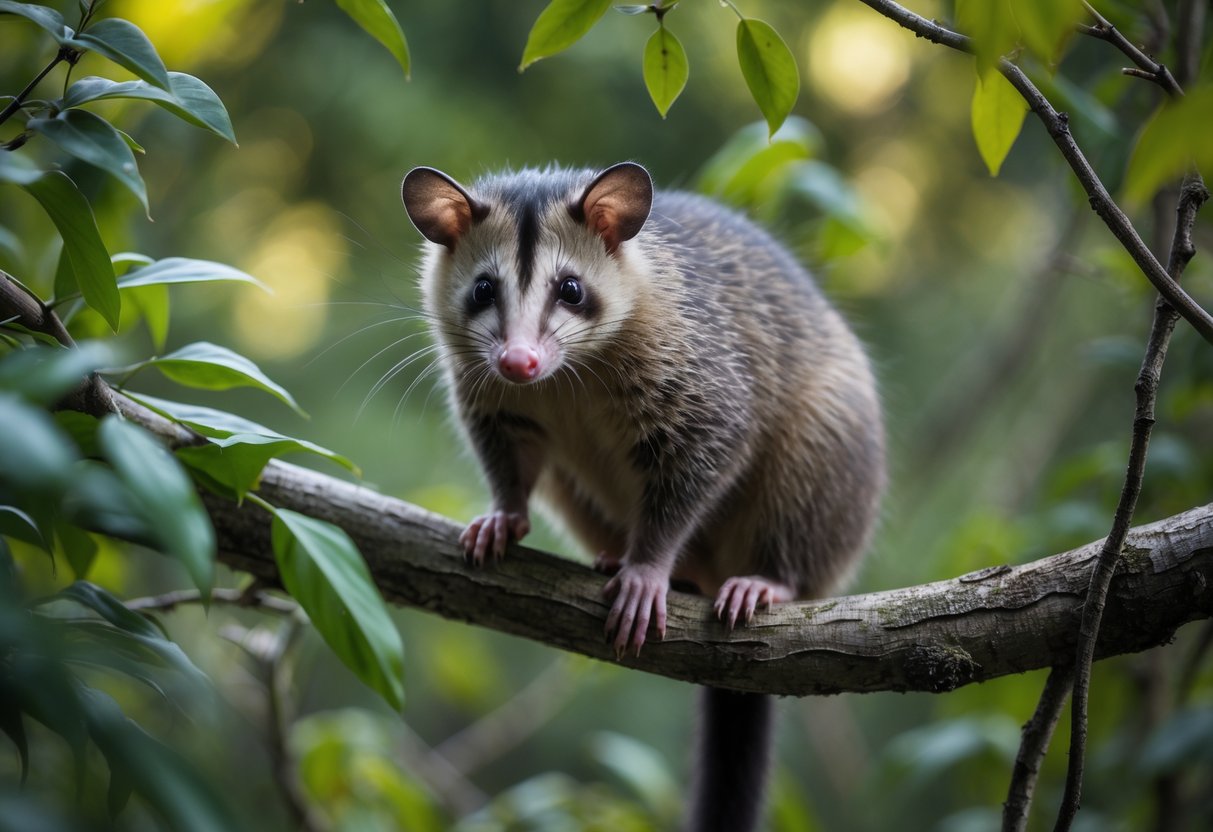
You might assume opossums aren’t much of a threat since they look pretty harmless and usually avoid people. Still, knowing about the diseases they carry helps you take steps to keep your family and pets safe.
If you understand how these illnesses spread, you can keep your home protected without stressing every time you see one.
When you know the risks, it’s easier to handle opossum encounters calmly and make smart choices. Curious about what diseases to watch for and how to spot the warning signs? Let’s dig in.
Diseases Commonly Carried by Opossums

Opossums carry a handful of diseases that can affect you or your pets. Most of these spread through contact with their urine, feces, or the parasites they bring along.
If you know how these diseases work, it’s easier to protect yourself and your home.
Leptospirosis and Its Transmission
Opossums can spread leptospirosis, a bacterial infection, through their urine. Their urine contaminates water, soil, or surfaces where they roam.
If you or your pets touch these places, you might get sick. People with leptospirosis usually get fever, muscle pain, and sometimes yellow skin or eyes.
Wear gloves, wash your hands after cleaning up outside, and avoid spots where opossums have been. A little caution goes a long way here.
Tularemia Risks from Opossums
Opossums can carry tularemia, a disease caused by bacteria. Ticks or direct contact with infected animals usually spread it.
You might get tularemia from insect bites, touching opossums or their droppings, or skin contact with the bacteria. Watch for fever, swollen lymph nodes, and skin sores.
Try not to handle opossums, and use tick prevention for yourself and your pets. Keep your yard tidy to cut down on ticks, and check your pets for them often.
The Threat of Salmonella
Salmonella bacteria live in opossum droppings and can infect people or animals. This infection often brings diarrhea, stomach cramps, vomiting, and fever.
Touching opossum waste or dirty surfaces without washing your hands can easily spread it. Sometimes insects like flies carry the bacteria onto food.
Clean up areas where opossums have been, and don’t let pets eat wild critters. Honestly, just washing your hands is one of the best defenses.
Coccidiosis and Animal Health
Coccidiosis comes from tiny parasites in opossum feces. It mainly affects animals, causing diarrhea and stomach issues.
Pets might get infected if they eat or lick spots where opossums left droppings. Young or weak animals are especially at risk, but adults can get sick too.
Keep pets away from places where opossums hang out, and clean your yard often. If your pet seems sick, check with your vet for advice.
For more details on diseases opossums can carry, check out this article on 3 dangerous diseases spread by opossums.
Parasites, Zoonotic Risks, and Prevention Tips

Opossums bring along several parasites that can pass diseases to humans and pets. If you understand these risks, it’s easier to protect your family and animals.
Paying attention to how these pests spread and what illnesses they carry helps you avoid trouble at home.
Fleas, Mites, Lice, and Tick Hazards
Opossums often pick up external parasites like fleas, mites, lice, and ticks. These pests can jump to your pets—or even you—and spread diseases. Fleas from opossums sometimes carry murine typhus and can cause itching or allergic reactions.
Ticks that ride on opossums can spread Lyme disease, spotted fever, and other nasty illnesses. Opossums wander between wild spots and backyards, so they help move ticks closer to your space.
Try to keep your yard clean and bushes trimmed. Control rodents if you can. Check your pets for ticks and fleas, and use preventatives, especially if you live near woods or see opossums around.
Murine Typhus Concerns
Murine typhus is a bacterial infection that fleas spread, usually from opossums or other rodents. Fleas bite infected animals, then bite humans and pass along the bacteria.
Symptoms? Fever, headache, muscle pain, and sometimes a rash. It can feel like the flu. Antibiotics can treat it, but ignoring it can get you into trouble.
Avoid handling opossums, and keep your pets on flea prevention. Cut down flea habitats too—no tall grass or piles of leaves if you can help it.
Toxoplasmosis and Human Infection
Opossums sometimes carry Toxoplasma gondii, a parasite responsible for toxoplasmosis. Humans can get it by touching contaminated feces or eating undercooked meat from infected animals.
Most healthy folks don’t get too sick, but toxoplasmosis can be dangerous for pregnant women or anyone with a weak immune system. It might cause flu-like symptoms or more serious issues.
If you have to clean up after opossums, use gloves and wash your hands well. Cooking meat thoroughly and keeping cats indoors helps lower the risk too.
EPM and Effects on Horses
Equine Protozoal Myeloencephalitis (EPM) hits horses hard and comes from a pesky parasite tied to opossums. Opossums drop the parasite in their feces, and that stuff can easily end up in your horse’s feed or water.
You might notice muscle weakness or weird coordination issues if a horse gets EPM. Sometimes their behavior just suddenly shifts, which honestly can be alarming.
If you ignore EPM, it can get really serious—some horses suffer permanent damage, and yeah, some don’t make it. So, what can you do?
Keep feed tucked away safely, and cover up water sources so opossums can’t get in. Clean horse areas pretty often.
If you spot any symptoms, don’t wait—call your vet. Knowing how opossums play into EPM gives you a better shot at keeping your horses safe.


