
Ever wondered if it’s the possum or the opossum that plays dead? You’re definitely not alone. The answer might not be what you expect.
It’s actually the opossum that plays dead when it feels threatened. This weird little act helps them dodge predators by making them look, well, totally lifeless.
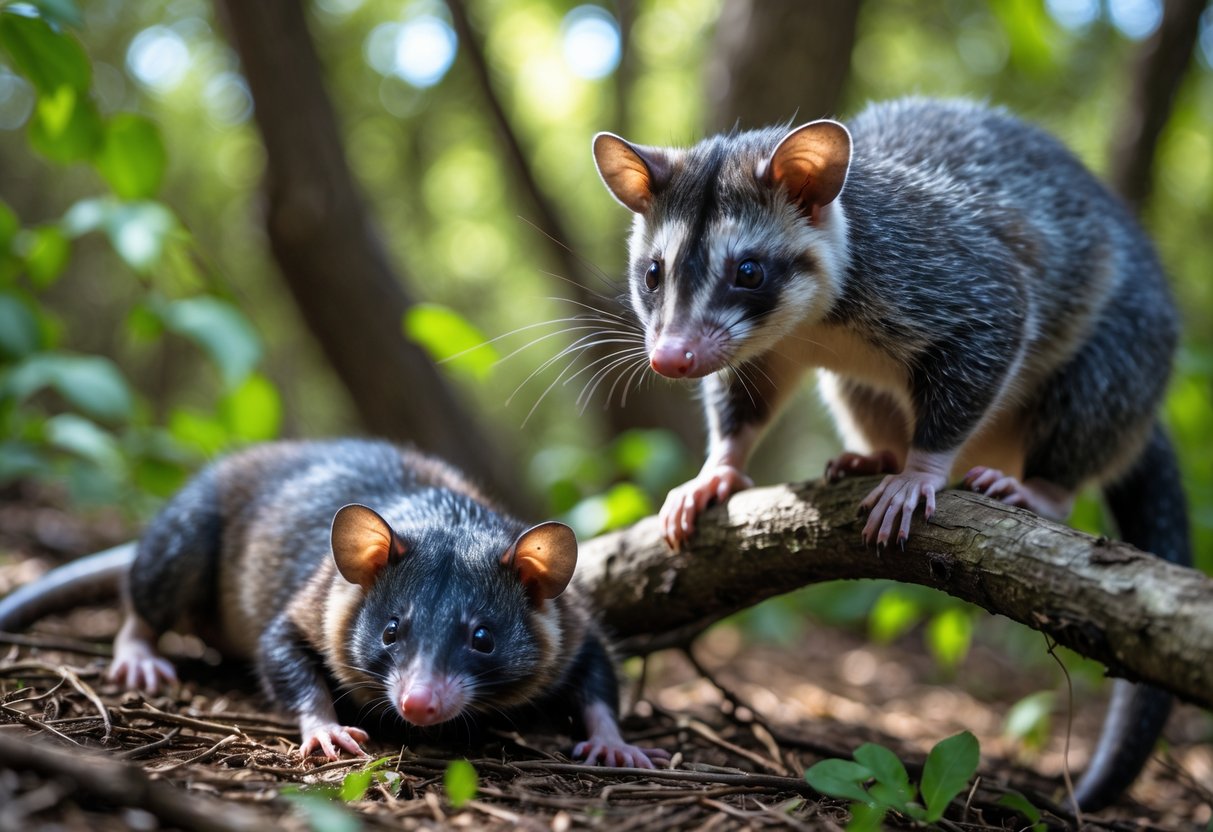
People toss around the names possum and opossum like they’re the same animal, especially in the U.S. But here’s the thing—playing dead, or “playing possum,” is something only opossums do.
They slip into a state where their breathing slows way down and they become super still. It’s actually a bit creepy if you stumble across one in your yard.
If you’re curious about why they do this or how to tell if an opossum is hurt or just faking it, let’s dig in.
The Truth Behind Playing Dead: Possum vs. Opossum

When folks talk about animals “playing dead,” they almost always mean the opossum. This isn’t some clever trick or conscious choice. It’s a built-in defense that helps opossums survive.
Let’s look at how it works, and why so many people mix up possums and opossums.
Opossum Defense Mechanism: Understanding ‘Playing Possum’
Opossums defend themselves by “playing possum,” which just means they look totally dead when they’re scared. They don’t fake it on purpose—it’s a real, physical state.
Their heart rate drops, breathing gets shallow, and sometimes they release a nasty smell to make predators back off. The opossum might flop over with its eyes closed, looking pretty convincing.
Scientists call this tonic immobility. Don’t panic if you see an opossum looking lifeless. It’s just trying to stay safe.
This trick helps opossums avoid getting eaten. Predators usually lose interest when they think the meal’s spoiled.
Opossums, which are marsupials from the Americas, have this unique defense.
Involuntary Reaction: How Opossums Fake Death
It’s easy to think opossums choose to play dead, but it’s not a choice at all. When they get really stressed, their bodies just kind of shut down certain functions on autopilot.
It’s almost like the animal faints, but deeper. The opossum doesn’t control this and can stay like that for minutes or even hours before it snaps back to normal.
They aren’t acting or pretending. It’s just a wild survival instinct hardwired into them.
This is pretty different from other animals that might freeze on purpose. The opossum’s nervous system takes over, making it a surprisingly strong defense.
Common Misconceptions About Possums and Opossums
People mix up possums and opossums all the time, but they’re not the same. In the U.S., “possum” is just a nickname for the opossum.
In Australia, possums are totally different animals. They don’t play dead like opossums do.
Only opossums use this defense. Despite the name, opossums don’t actually “act” dead—they just go into this automatic state.
Some folks check an opossum’s nose color to see if it’s alive. If the nose is pink, it’s alive. If it’s white, well, that’s not a good sign.
Want more details? Check out this opossum defense mechanism.
Comparing Possums and Opossums

Possums and opossums look different and live in totally separate places. Each one interacts with its environment in its own way.
If you’ve ever wondered how to tell them apart, here’s what you need to know.
Key Differences in Appearance and Behavior
Both are marsupials, but they don’t look much alike. Possums, which live in Australia, have bushy tails and soft, thick fur.
They’re smaller and zip through trees pretty fast. Opossums, found in North America, have hairless, scaly tails and rougher fur.
They usually move slowly and have a bit of a scruffy vibe. Opossums are known for playing dead when scared—it’s not something possums do.
Possums have their own ways of staying safe, but playing dead isn’t one of them.
To sum it up:
- Possums: furry tails, quick climbers, don’t play dead
- Opossums: bare tails, slow walkers, involuntary “playing dead” trick
Geographic Distribution and Habitat
Depending on where you live, you’ll spot either a possum or an opossum. Possums mostly live in Australia and nearby islands.
They like forests and woodlands where they can climb and snack on tree treats. Opossums, like the Virginia opossum, hang out in North and Central America.
You’ll find them in forests, suburbs, and even city neighborhoods. They adapt easily, making nests in quiet places like attics or sheds.
Knowing where they live helps you figure out which one you’re seeing. Possums stick to trees and warmer spots, while opossums can live just about anywhere.
Role in Ecosystems: Diet and Pest Control
Possums and opossums both help control pests, though their diets aren’t exactly the same. Possums munch on leaves, fruits, and insects. They end up spreading seeds through their droppings, which seems pretty helpful for plants.
Opossums, on the other hand, eat all sorts of things—bugs, small rodents like rats, fruit, and even carrion if they find it. They really shine at controlling ticks and other bugs that spread disease. You’ll often see them making themselves useful in cities and wild areas alike.
If you spot one of these animals, just remember they’re out there keeping insect and rodent numbers down. That’s a pretty important job for any ecosystem.
Learn more about how opossums “play dead” here.


