
Ever wondered if opossums can cry like we do? Well, the answer might surprise you.
Opossums don’t shed tears, but they sure make noises that sound a lot like crying or even sneezing—especially when baby opossums are calling for their moms. Those sounds help little joeys get attention or ask for help.
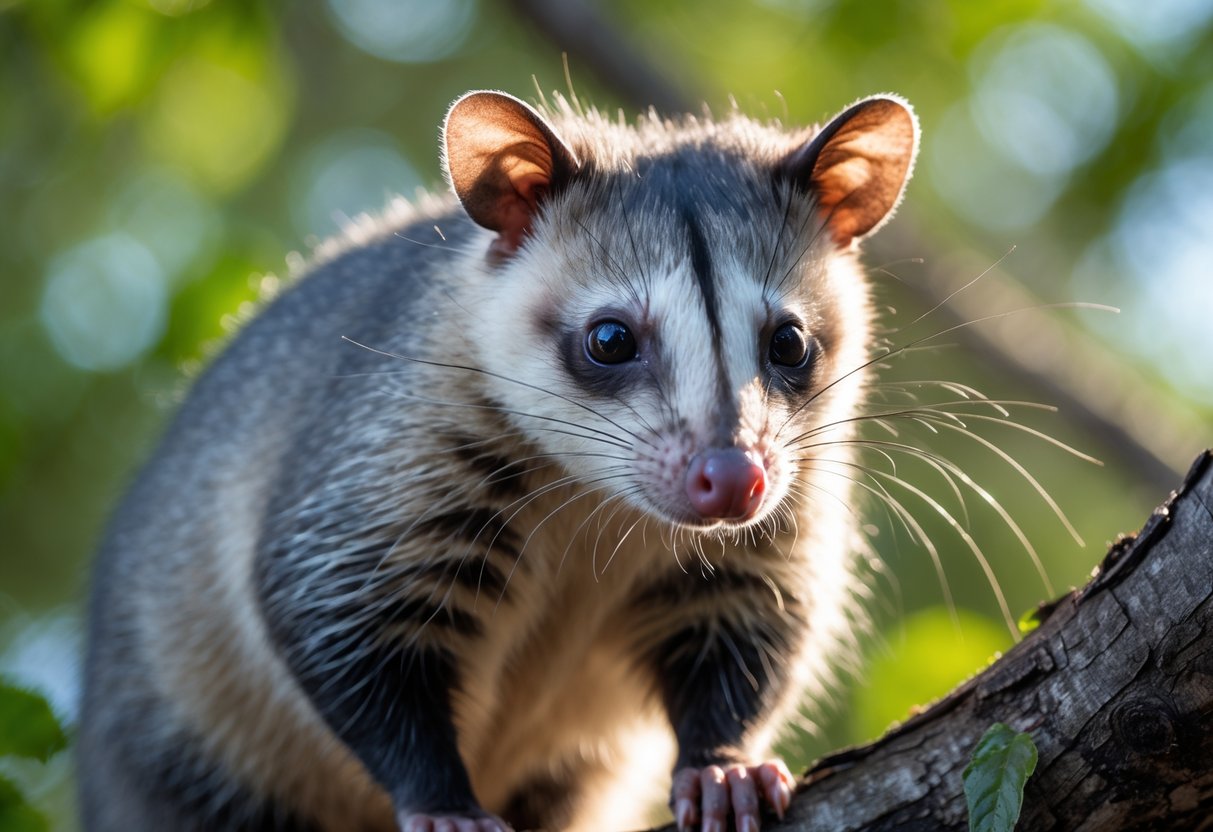
Most of the time, opossums stay pretty quiet to keep out of trouble. But if you listen closely, you might catch them hissing, growling, or making odd clicking noises, depending on their mood.
If you hear something that sounds like a cry, it’s usually just them showing fear or reaching out for care. It’s not really emotional crying like you’d expect from people.
Learning about these weird little sounds makes it easier to understand these shy animals.
Do Opossums Cry? Distress Calls, Myths, and Behavior

You’ll probably notice different sounds coming from opossums, especially if they feel stressed or scared.
These noises let them talk to each other or warn off anything that feels like a threat.
Their behaviors show emotion, but it’s not the same as crying like we do.
What Distress Sounds Do Opossums Make?
Opossums don’t cry actual tears, but they have their own sounds when they’re in trouble.
Baby opossums squeak or make these funny “peep” noises if they get separated from their mom. These calls help mom track them down.
Adults can hiss, growl, or even screech when they’re scared. A hiss is like a sharp breath, basically saying, “Back off!”
If things get worse, they might let out a low, rough growl. And if they’re really in trouble—like trapped or hurt—you might hear a screech.
These sounds are just their way of saying, “I need help!” or “Give me some space!”
Emotional Behaviors in Opossums
Opossums mostly show how they feel through what they do, not by crying.
When they’re scared, they’ll hiss or growl to warn others. Sometimes, they’ll even “play dead”—just flop over and go totally limp and silent to try to avoid danger.
Moms have some pretty gentle ways to comfort their babies, like making soft clicking or lip-smacking noises. Those sounds help calm the little ones and keep them close.
If a baby opossum gets lost or is calling for its mom, you might hear these gentle sounds.
Their feelings show up if you pay attention, even if you never hear a single tear.
Misconceptions About Opossum Crying
A lot of folks think opossums cry like humans, but that’s not how it works.
They don’t shed tears to show sadness or pain. Their noises are really just about warning others or reacting to stress.
Some people believe opossums scream all the time. In reality, they only screech loudly if things get really bad.
If you understand these facts, you’ll see opossums for what they are—wild animals with their own ways of handling tough situations. They’re not like pets that cry for attention.
You can dive deeper into their sounds and behavior at The Wild Life Explorer.
Opossum Sounds, Care, and Wildlife Rehabilitation

Opossums can make all sorts of noises, especially if they’re scared or away from their moms.
If you know what these sounds mean, you can help protect baby opossums and other wild critters. Wildlife rehabilitators step in to care for them and make sure they grow up safe.
How Wildlife Rehabilitators Identify Opossum Distress
Wildlife rehabilitators listen for the different noises baby opossums make.
If a baby’s scared or alone, you might hear a faint “choo choo” or sneezing sound. That’s basically a call for mom.
Rehabilitators also watch for open mouths—sometimes it looks like a scream, but it’s really just fear. They know these signals and can tell if a baby needs urgent help or just a gentle touch.
This know-how keeps baby opossums calmer and safer while they’re in rehab.
What To Do If You Find a Baby Opossum Making Noise
If you stumble on a noisy baby opossum, don’t rush to pick it up.
Those chirps or sneezes probably mean it’s separated from its mom. The best thing you can do is call a local wildlife rehabber or animal control and ask what to do.
Keep the baby warm and quiet until someone with experience can help. Don’t feed it or give it water unless an expert tells you to.
That way, you avoid causing more harm and keep the little opossum as comfortable as possible. You’ll find tips and resources from wildlife rehab groups online if you need more info.
Opossums and Other Noisy Wild Animals
Just like baby opossums, lots of wild animals use noise to show fear or call for help.
Bats, for example, make high-pitched sounds to find their moms or warn about danger. Every species has its own language, so it helps to know what you’re hearing.
Adult opossums are usually pretty quiet, but their babies use sounds to stay close to mom.
If you hear noises from wild animals, it’s often just a call for care or safety. Learning about these sounds helps you respect and respond to wildlife the right way.
The Importance of Wildlife Rehab for Opossums
Wildlife rehab gives orphaned or injured opossums a real shot at survival. Rehabbers step in, offering safe shelter, food, and medical care that fits what baby opossums actually need.
If rehabbers don’t help, most babies alone in the wild end up facing predators, harsh weather, and hunger. Rehab centers do their best to raise them in quiet, controlled spots, lower their stress, and get them ready for release.
Honestly, this work goes a long way to keep wildlife populations healthy. It even helps you feel like you’re doing your part for nature.
Curious about how these rehabbers care for opossums? Check out examples like the baby opossum sounds and care post.


