
People often use “possum” and “opossum” like they’re the same thing, but honestly, they’re not. Opossums live in North and South America, while possums hang out in Australia and the surrounding islands. Once you know this, a lot of the confusion just disappears.

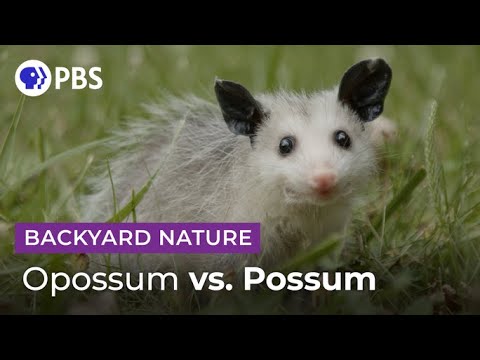
Opossums have long snouts and scaly, hairless tails. Possums, on the other hand, usually rock furry tails and have rounder faces. Both carry their babies in pouches, since they’re marsupials, but their habits and homes are pretty different.
Ever wonder why folks mix them up so much? It mostly comes down to where these animals live and how they look.
Keep reading and you’ll get a better sense of how they differ in size, what they eat, and how they live. Next time you spot one in the wild or on TV, you’ll probably know which is which. If you want more details, check out this easy guide on possums versus opossums.
Key Differences Between Possum and Opossum

Possums and opossums are different in so many ways—where they live, what they look like, and even their scientific groups. Knowing these details makes it easier to tell them apart, especially since people get them confused all the time.
Scientific Classification and Orders
Opossums, like the Virginia opossum, belong to the order Didelphimorphia and the family Didelphidae. That makes them the only marsupial native to North America.
Possums, meanwhile, are part of the order Diprotodontia and the family Phalangeridae. This group includes brushtail possums, which are everywhere in Australia. These differences go way back in their evolutionary history.
So, even though they’re both marsupials, they’re really not that closely related.
Geographic Distribution and Habitats
Opossums live in North and South America. If you’re in the U.S. or Canada, you might see the Virginia opossum in your backyard, rummaging through trash or looking for insects.
Possums live in Australia and some nearby islands. Brushtail possums, for example, love hanging out in trees in Australian forests and even in city parks. They’re mostly active at night and spend a lot of time above ground.
You won’t find native possums in America or native opossums in Australia. That’s probably the easiest way to tell them apart.
Physical Appearance and Traits
Opossums, like the Virginia opossum, are about the size of a raccoon—2 to 3 feet long. They have grayish fur, pointy snouts, lots of sharp teeth, and those weird scaly tails. Their faces are usually white, and they’re kind of famous for “playing dead.”
Possums, like the brushtail, are smaller—usually 1 to 2 feet long. They have soft fur, furry tails, and faces that aren’t as pointy. Possums are great at climbing, and their tails help them hang onto branches.
If you spot one of these critters, these features make it a lot easier to tell which is which.
Naming History and Etymology
The word “opossum” comes from the Algonquian language. Captain John Smith first wrote it down in the 1600s after seeing the Virginia opossum in North America. It actually means “white beast.” Over time, people in North America started dropping the “o” and just saying “possum,” which definitely adds to the confusion.
In the late 1700s, Sir Joseph Banks traveled to Australia and saw animals that reminded him of opossums but were actually different. He called them “possums.” So, the names sound similar, but their stories are pretty different.
If you want to dig deeper, you can check out this Terminix article.
Unique Behaviors, Health Risks, and Interactions
Opossums and possums each have their own quirks and health risks. Knowing how they defend themselves, what diseases they might carry, and how to avoid trouble can really help if you run into one.
Playing Possum and Defensive Behaviors
Opossums are famous for “playing possum.” When they get scared, they just flop over and look dead—it’s not something they control. This can last for hours, and they even drool and release a nasty smell to make predators think they’re really gone.
They might hiss, growl, or show their teeth if you get too close, but they’d rather not fight. Possums in Australia are usually calmer, but if you corner one, it’ll probably hiss or show its teeth too. Neither animal looks for a fight with people, but they’ll defend themselves or their babies if they have to.
Common Diseases and Health Concerns
Opossums almost never get rabies because their body temperature is too low for the virus. Still, they can carry fleas, ticks, and other parasites that sometimes spread disease.
Both opossums and possums can get leptospirosis, a bacterial disease that can cause kidney or liver problems in people and pets. It spreads through contact with infected urine or dirty water.
Opossums actually help by eating ticks that spread disease, but it’s still smart to avoid touching them or cleaning up after them without gloves. Fleas and bacteria in their droppings can be risky, so always use caution if you have to deal with them.
Human-Wildlife Interactions
If you spot opossums or possums hanging around your yard or sneaking into your home, just give them some space. They might look a bit intimidating, but honestly, they’d rather not get into any trouble with you.
Stumble across baby opossums? It’s tempting to help, but don’t try to raise them on your own. Reach out to a wildlife rehabilitator instead.
Keep food sealed up, lock your trash cans, and clear out brush piles to make your place less appealing. If you realize opossums have set up shop in your attic or garage, it’s a good idea to call wildlife control experts—they know how to safely remove them. These critters can mess up your property and leave droppings you really don’t want to deal with.
Pets might run into trouble, too, especially if they cross paths with opossums or pick up parasites. Make sure your pets stay up to date on vaccinations, and check them for ticks after they’ve been outside.
Curious about more details or want tips for handling these situations? Take a look at the opossum vs. possum removal guide.


