
Ever wonder why opossums just don’t stick around for very long? The answer mostly comes down to their biology and the rough world they live in.
Opossums usually only make it about 1 to 2 years in the wild. They grow up fast, mature early, and deal with a ton of risks—predators, cars, even dogs. Their bodies seem almost designed for a quick sprint through life, not a marathon.
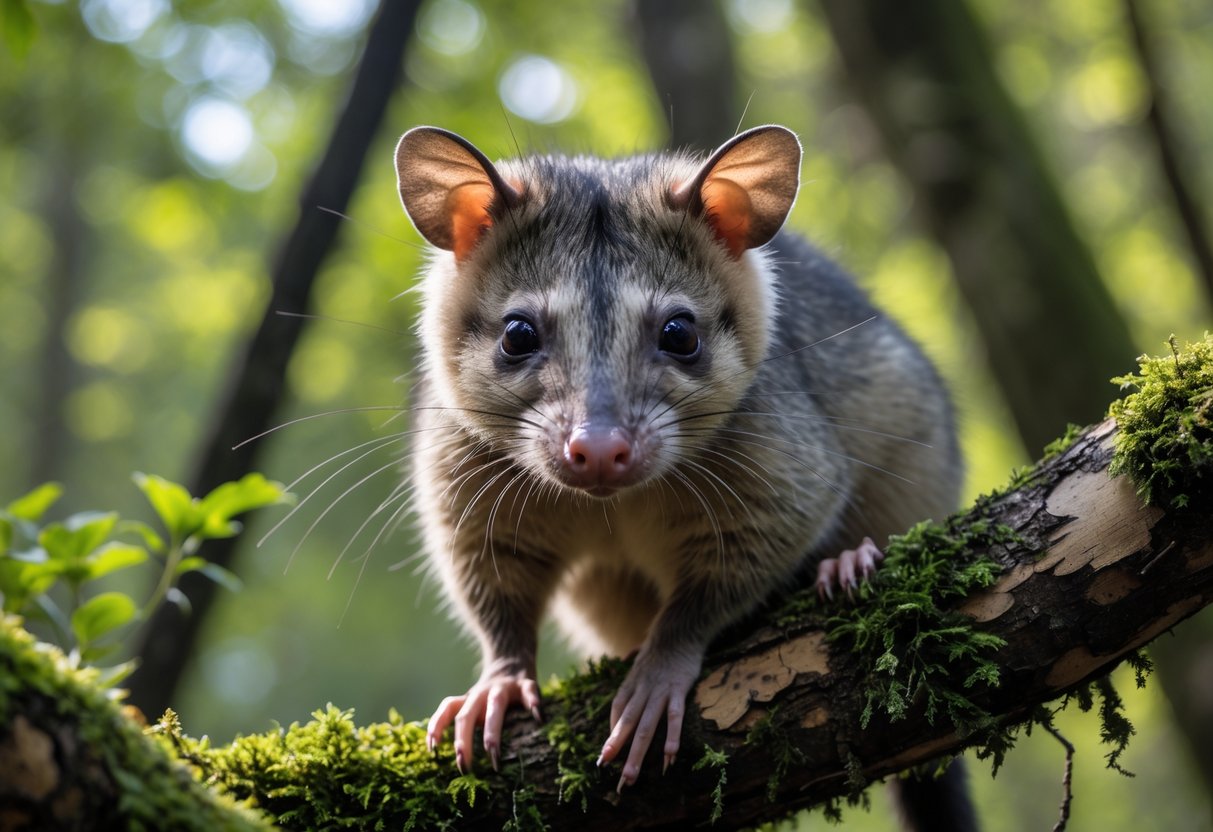
Even when people care for them, opossums rarely reach 4 years old. Their immune systems and how they age naturally just don’t give them much of a shot at a long life.
When you realize how tough their world is, you might gain a bit more respect for these scrappy little animals.
Main Reasons for Short Opossum Lifespan
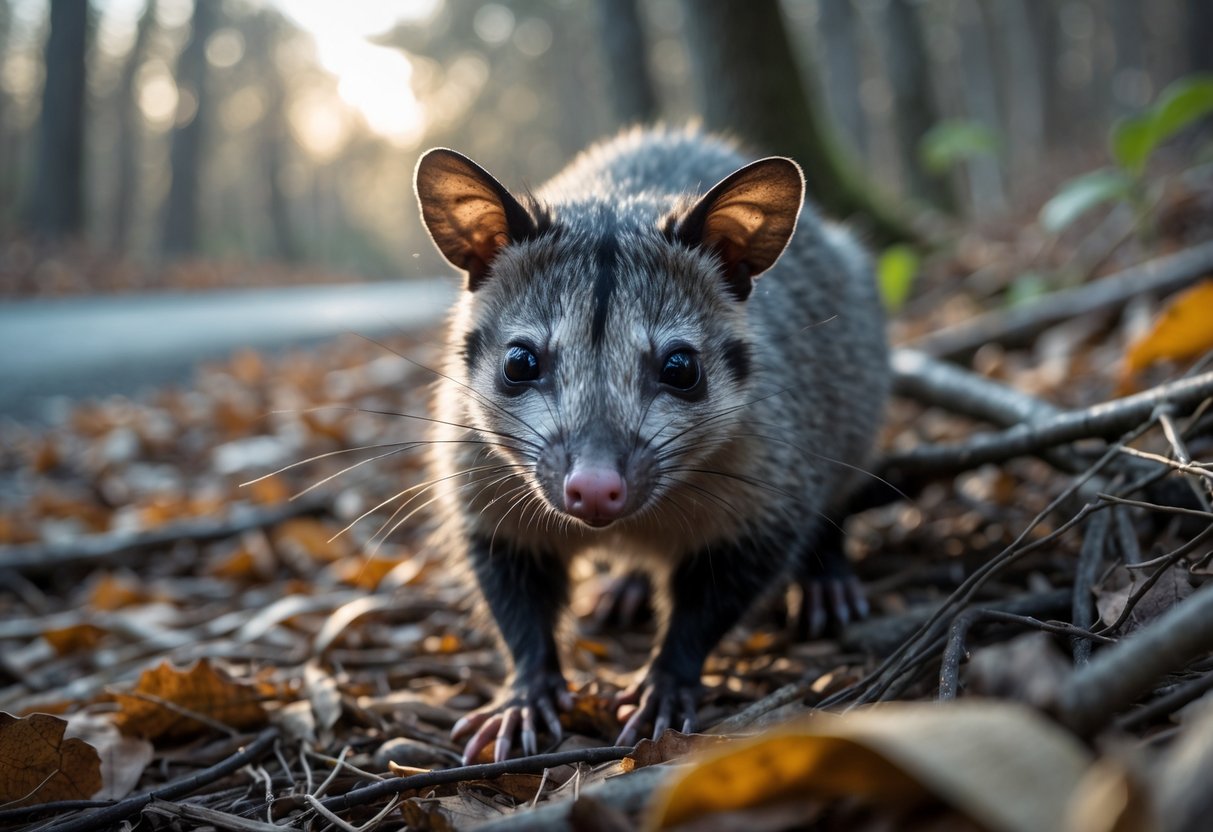
Opossums face a bunch of challenges that cut their lives short. Predators, their own biology, and the dangers humans create all play a part.
Let’s break it down a bit.
High Predation Pressure
Predators make life seriously risky for opossums. In North America, dogs, raccoons, coyotes, and even cats go after them.
Since opossums aren’t exactly fast or fierce, they’re easy targets.
Young opossums—joeys—have it even worse. After just two weeks in the womb, they crawl into their mother’s pouch to keep growing.
But once they leave the pouch, they’re on their own, dodging danger at every turn.
Most opossums never make it to old age. Surviving each day is a challenge, and that’s a major reason their lives end up so short.
Biological and Reproductive Factors
Opossums have some quirks in their biology that work against them. Their immune systems don’t hold up as well as those of some other mammals, so they get sick more easily.
They also reproduce quickly—female opossums can have several litters a year, with lots of babies each time.
That puts a ton of stress on their bodies. Caring for all those joeys takes a lot out of them.
So, opossums’ bodies just age faster, even if they’re living somewhere safe.
Environmental Hazards
The world isn’t exactly kind to opossums. Roads and cars are a constant threat—opossums often wander onto streets and get hit.
Human activity keeps changing their habitats. You’ll probably notice there are fewer forests and more broken-up patches of land.
That means opossums have to cross risky areas more often.
Pollution, fighting for food, and run-ins with pets like dogs and cats just add to their problems.
All these things pile up and make it tough for opossums to live long lives.
If you’re curious about how the environment shapes opossum survival, check out this detailed explanation.
Opossum Life Cycle and Survival Challenges

Opossums grow up fast and face dangers left and right. Their unique way of developing as marsupials, where they live, and their place in the ecosystem all shape their odds of making it.
Unique Marsupial Development
Opossums are marsupials, so their babies start life in a pouch after a super short pregnancy.
The joeys are born tiny—think jellybean-sized—and pretty helpless. They crawl into the mom’s pouch to keep growing for a few weeks.
If the mother runs into trouble, the joeys really don’t stand a chance.
Because they grow up and become independent so quickly, the whole life cycle speeds up, and their time just goes by faster than it does for a lot of other mammals.
Habitat and Range Impact
Opossums mostly stick to wooded areas and spots near people, especially in places like New York and across the Americas.
They adapted pretty well after moving from South America to North America during the Great American Interchange.
But roads and shrinking habitats put them in harm’s way. Ticks and parasites can mess with their health, too.
Their homes force them to cross dangerous places, where cars and predators like dogs, cats, and raccoons wait.
It’s no wonder so many opossums don’t get to grow old in the wild.
Role in the Ecosystem
Opossums actually help keep pests in check. They munch on insects, small rodents, and ticks—those little guys can spread diseases, so having opossums around makes things a bit safer for everyone.
You’ll often find them cleaning up dead animals and leftover scraps. Since they sleep during the day and come out at night, they dodge some predators, though bigger animals and humans still cause them plenty of trouble.
Your neighborhood’s ecosystem gets a boost from opossums being around, but honestly, they’re always walking a fine line between survival and danger.
If you’re curious about what makes life tough for opossums, you can learn more at opossum lifespan and survival.


