
Opossums can carry a few diseases that might affect you or your pets. The main illnesses to keep an eye out for are leptospirosis, toxoplasmosis, and coccidiosis—these can spread through contact with opossum droppings, urine, or even contaminated water.
Opossums usually avoid people, but it’s still good to know what risks they might bring if they show up near your home.
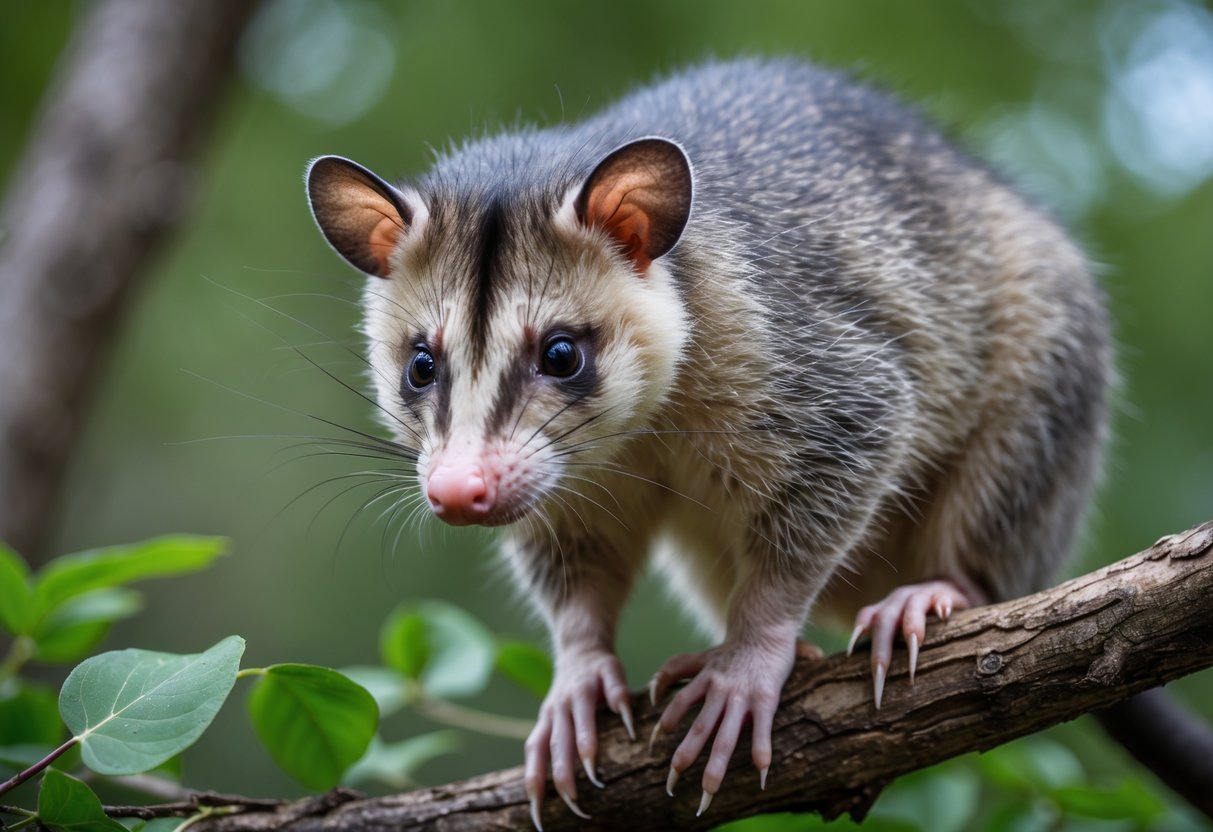
You might not expect it, but possums, like rodents, pose similar risks since they often live close to where people are. These animals can carry bacteria and parasites that make people sick, especially if their waste gets into your environment.
Knowing what diseases they carry can help you protect your family and your pets.
If you see an opossum around your property, don’t panic. Just keep your distance and avoid touching them or their droppings.
Learning how these critters spread germs helps you stay safe and sidestep health problems linked to wildlife.
Diseases Transmitted from Opossums to Humans
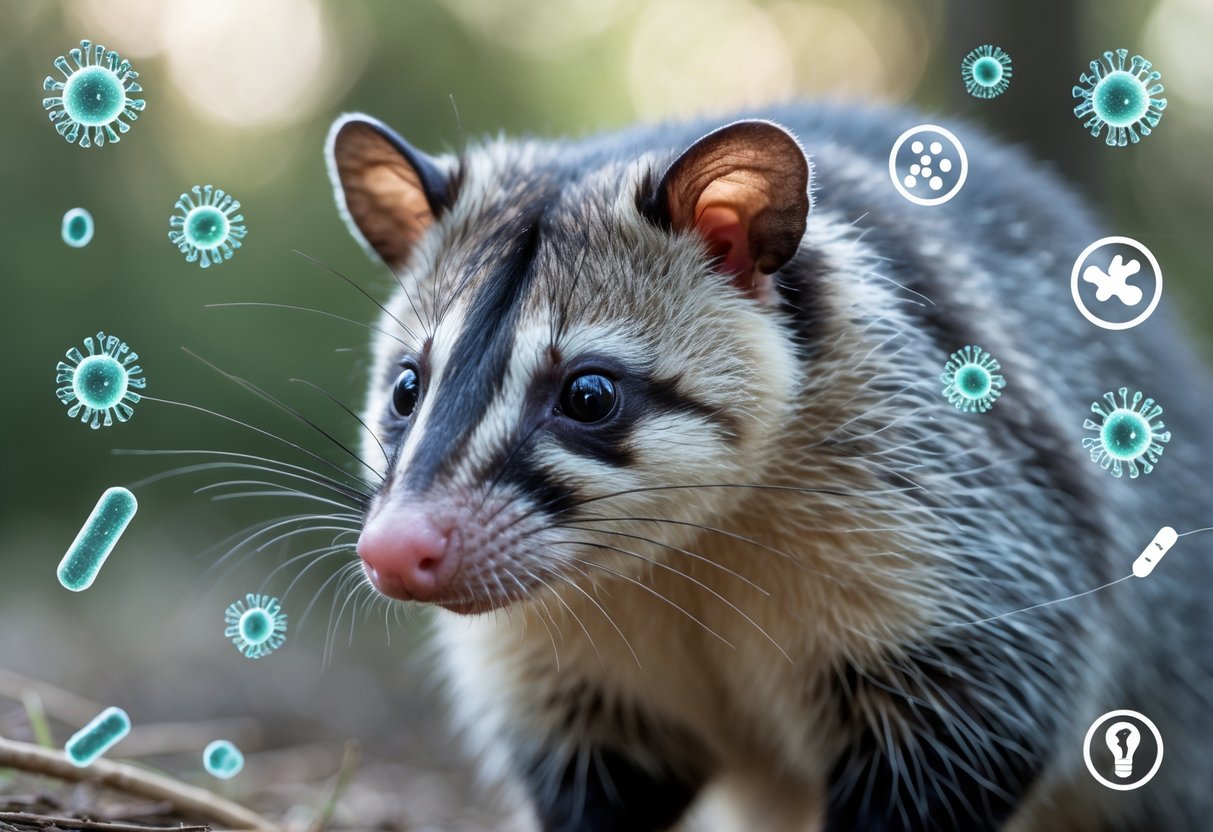
Opossums can carry diseases that might affect you, especially if you come into contact with their fleas, ticks, or droppings. Some of these diseases come from parasites they host, while others spread through direct contact or bites.
Knowing about these risks can help you stay safe.
Leptospirosis
Leptospirosis is a bacterial infection you can catch from water or soil contaminated with urine from infected animals. Opossums often carry this bacteria even if they look healthy.
If you touch areas where opossums have been or get water in your eyes or on an open cut, you could get infected.
Symptoms include fever, headache, muscle aches, and sometimes vomiting. If you don’t treat it quickly, it can get serious.
Leptospirosis spreads mainly through contact with urine. Try to keep your yard clean and avoid standing water to lower your risk.
Pets can also bring the bacteria inside, so always wash your hands after handling animals or cleaning up after them.
Endemic Typhus
Endemic typhus is an illness that fleas spread, especially those that ride on opossums and rodents. Fleas pick up the bacteria from infected animals and can pass it to humans through their bites.
You might not spot the fleas, but they often hide where opossums rest.
Symptoms include sudden fever, headache, chills, and a rash. The rash usually appears a few days after the fever starts.
You can help control fleas around your home by using flea treatments on your pets and keeping your yard tidy. Since opossums carry cat and dog fleas, it’s even more important to avoid fleas to protect your family.
Tularemia
Tularemia comes from bacteria that can spread to people through ticks or direct contact with infected animals, including opossums. You might get it from a tick bite or by handling an opossum without gloves, especially if it has open wounds.
This disease causes fever, skin sores, and swollen lymph nodes. Sometimes it affects the lungs or eyes, which makes it harder to spot.
If you spend time outdoors, check for ticks often and wear protective clothing. Avoid touching wild opossums, and if you have to handle one, use gloves to lower your risk of infection.
If you want to dig deeper into these diseases and how opossums carry them, take a look at diseases spread by opossums.
Symptoms, Treatment, and Prevention

If you’ve been around opossums or their parasites like fleas and ticks, it’s smart to pay attention to signs of illness. Knowing what symptoms to watch for—and how to treat or avoid these diseases—can help keep you and your family safe.
Common Symptoms in Infected Humans
Symptoms from diseases linked to opossums can vary by illness. You might notice fever, headache, or loss of appetite early on.
Some infections bring a rash or swollen lymph nodes. Other common signs include nausea, vomiting, and sometimes a lingering cough.
Because these symptoms overlap with other illnesses, it’s important to pay attention to what pops up after being near ticks or fleas.
If you spot these symptoms and know you’ve been around opossums or their habitats, it’s a good idea to check in with a doctor soon.
Antibiotics and Medical Treatment
Treatment depends on which disease you catch from opossums or their parasites. Many bacterial infections, like leptospirosis or tularemia, respond to antibiotics.
Doctors usually prescribe medicine based on your symptoms and test results. Getting treated early helps you avoid bigger problems like liver or kidney issues.
For viral or parasitic infections, treatment focuses more on symptom relief. Rest, fluids, and meds to control fever or nausea can make a difference.
Just follow your healthcare provider’s advice for the best shot at a smooth recovery.
Preventing Zoonotic Diseases from Opossums
Try to avoid touching opossums, and steer clear of the fleas or ticks they might bring along. If you’ve got pets, keep them protected with approved insect repellents.
When you’re out in places where ticks love to hang out, it’s smart to wear long sleeves and pants. After you get back inside, take a minute to check your skin and clothes for any hitchhikers.
Block off any gaps or holes around your house so opossums can’t sneak in and make themselves at home. Don’t leave trash or food scraps lying around, since that’s basically an open invitation for them.
A little extra caution and regular cleaning go a long way in keeping you and your pets safe from diseases linked to opossums. If you want more info about what diseases opossums can carry, check out this article: opossum-carried diseases and their danger to humans.


