
You’ve probably heard people say opossums can’t get rabies. There’s actually a pretty solid reason for that. Opossums have a lower body temperature and a surprisingly strong immune system—two things that make it tough for the rabies virus to survive and spread inside them. This natural defense gives them a real advantage against a disease that troubles so many other mammals.
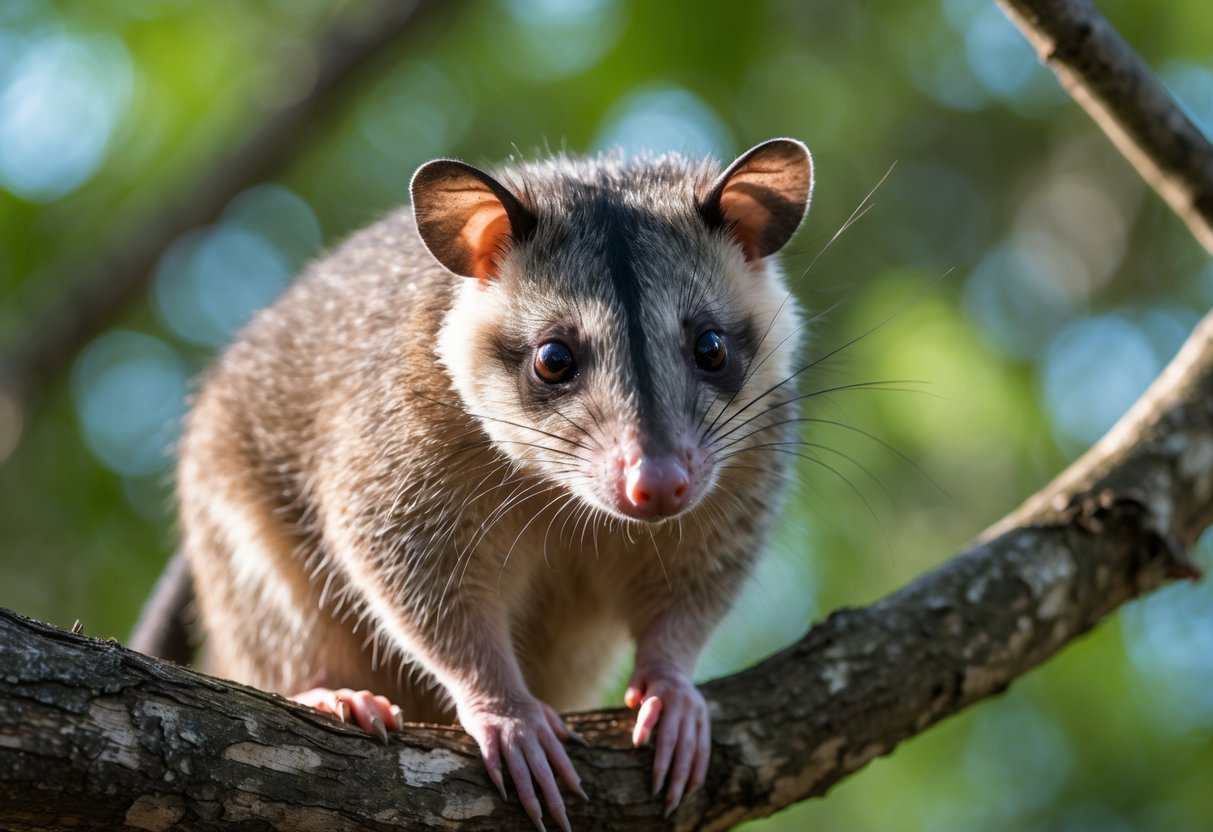
Besides their chilly body temp, opossums tend to avoid fights. They’re not big on confrontation, and their habits help cut down their chances of running into rabies. They groom themselves a lot, and their saliva might even help fight off germs.
All these little quirks add up, making opossums a lot less risky when it comes to rabies. If you’re curious about what makes opossums so interesting, there’s more to the story. Let’s look at the science behind their resistance and how their behavior actually helps protect them.
Why Opossums Rarely Contract Rabies

Opossums are a bit of an oddball when it comes to rabies. They catch it way less often than most wild animals do. Some key facts about their body temperature and how rabies works in mammals help explain why.
Opossum Body Temperature and Rabies Resistance
Opossums run cooler than most mammals. Their body temperature usually sits somewhere between 94 and 97°F (34.4 to 36.1°C). Rabies viruses really prefer warmer bodies—closer to 100°F—so it’s just not a great environment for the virus.
Because their bodies stay cooler, the rabies virus basically can’t multiply well. It’s almost like the virus can’t get comfortable enough to cause trouble. This “body heat defense” is a big reason why rabies doesn’t hit opossums very often.
Think of it as built-in protection. Opossums aren’t totally immune, but their lower temperature makes it much harder for rabies to get started, especially compared to animals like dogs or bats.
Rabies Susceptibility in Mammals
Most mammals can catch rabies if a rabid animal bites them. The virus gets in through saliva and travels to the brain, causing serious illness. Warm-blooded animals like dogs, bats, and raccoons often spread rabies.
Opossums are mammals, but their lower body temperature and small size work against the virus. They hardly ever survive fights with rabid animals, so they usually don’t live long enough to pass on rabies.
You’re very unlikely to run into a rabid opossum. Other mammals are much more likely to carry and spread the virus.
Scientific Studies on Opossums and Rabies
Researchers have found that opossums are generally resistant to rabies. Rare cases still pop up, though. For example, one study in Brazil found an opossum with rabies linked to fruit-eating bats. That’s unusual, but it shows that transmission can happen in some urban areas.
Studies from North America almost never find rabies in opossums. The tiny number of cases backs up the idea that opossums don’t easily catch or spread the virus.
Scientists figure the opossum’s body temperature and lifestyle help keep risk low. Still, they say it’s smart to watch for rare cases and keep an eye on wildlife diseases to protect pets and communities.
If you’re curious, you can dig deeper into the scientific work on opossums and rabies.
Risks to Pets: Opossums, Dogs, and Rabies

Opossums almost never carry rabies since their body temperature is too low for the virus to thrive. But when wildlife like opossums cross paths with pets—especially dogs—there’s still a bit of risk. It helps to know how rabies spreads, what you can do to protect your pets, and what other diseases opossums might bring around.
Rabies Transmission Between Wildlife and Pets
Rabies mostly spreads through bites or scratches from infected animals. In North America, wild carnivores like raccoons, bats, and foxes are the usual culprits. Opossums just aren’t great hosts for rabies because of their low body temperature.
Still, if your dog tangles with a wild animal, including an opossum, there’s a slim chance it could pick up rabies or something else. Bats are actually more common rabies carriers in cities. So, even though opossums rarely have rabies, you should check for bites or weird behavior in your pet after any wildlife encounter.
Protecting Dogs from Rabies
Make sure your dog gets its rabies shots. That’s honestly the best way to keep them safe, no matter which wild animals they meet. Keep your dog on a leash outside and steer clear of places where bats or other wildlife hang out.
If your dog bites or gets bitten by a wild animal, call your vet right away. A quick check can help prevent rabies and other health problems. Rabies vaccines and fast action keep your dog—and your family—safe.
Disease Risks Beyond Rabies
Opossums almost never carry rabies, but they do sometimes spread other diseases like leptospirosis or bring in parasites. If your dog sniffs around opossums or their droppings, there’s a chance it could pick up something nasty.
Keep an eye out for signs like vomiting, fever, or unusual tiredness after your dog has a run-in with wildlife. Taking your dog to the vet regularly and staying on top of parasite prevention can really cut down on the risks from opossums and other critters around your place.


