
Ever notice how people usually say “possum” instead of “opossum”? Both words technically refer to the same animal, but “possum” just rolls off the tongue easier. Most folks drop that first syllable without even thinking about it.
Language does that—it trims words down over time, making them simpler and faster to say. It’s just how we talk.
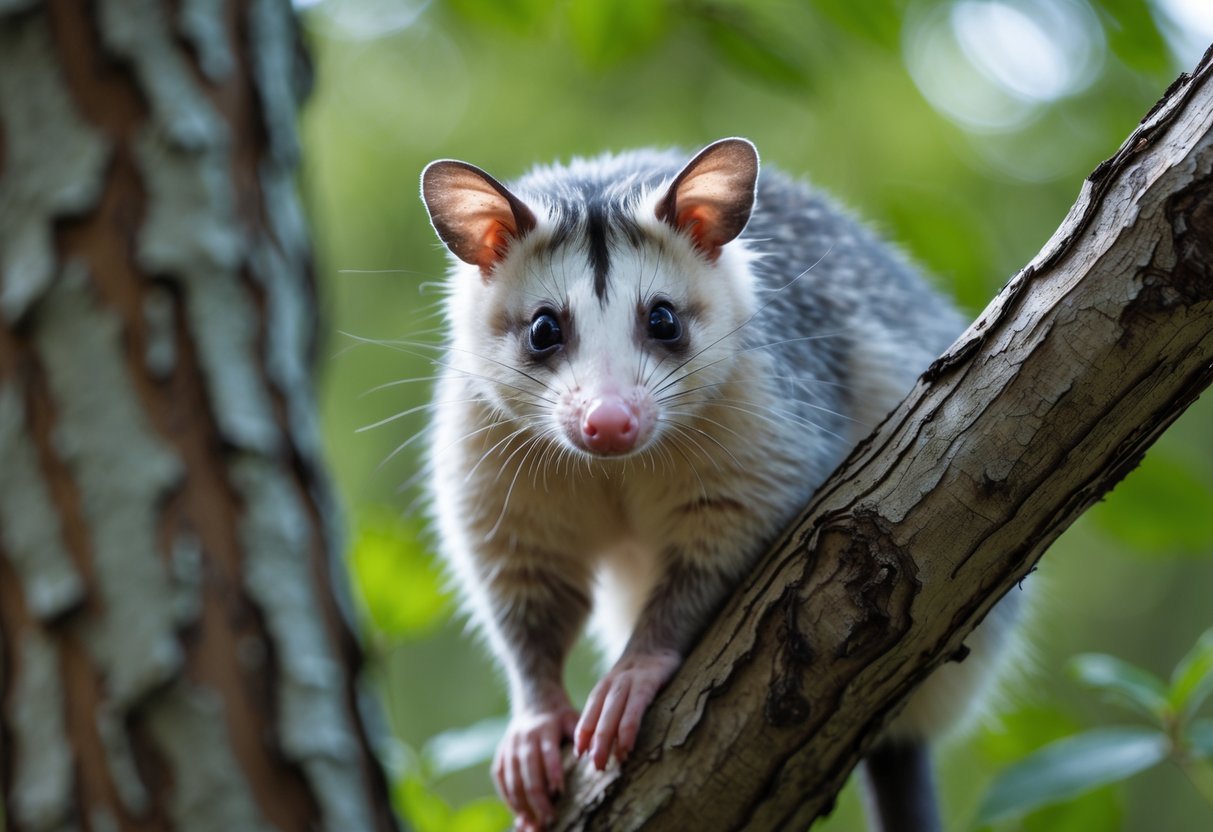
If you flip through science books or anything formal, you’ll see “opossum” as the go-to word. But out loud or in casual writing, “possum” wins, hands down.
This shortcut’s been around for centuries, honestly. People stuck with it because, well, it’s just easier.
Sometimes you’ll hear “possum” used for different animals in places like Australia. In North America, though, both names point to the same critter.
Figuring out why we say “possum” can give you a peek into how language bends and shifts. If you’re curious, there’s a neat possum vs. opossum explanation that digs deeper.
Why People Say Possum Instead of Opossum

So, why do so many people say “possum” when “opossum” is technically correct? It’s a mix of history, language habits, and just how people talk in different places.
These things all shape which word sticks.
Origins of the Opossum and Possum Names
Native Americans who spoke Algonquian gave us the word “opossum.” It meant “white dog” or “small animal.”
English speakers first used “opossum” way back in the early 1600s.
People started dropping the first vowel sound over time—a change called aphesis. That’s how “opossum” shrank to “possum.”
Both names still point to the same animal, especially if you’re talking about the North American Virginia opossum.
Pronunciation and Common Usage in North America
Most folks in North America just say “possum,” even if they’re spelling it “opossum” on paper.
Saying “possum” is faster, so it caught on in everyday talk. Scientists stick with “opossum” for accuracy, but you won’t hear that much outside a classroom.
People usually call the Virginia opossum—the only marsupial in the U.S.—just “possum” when chatting.
Influence of Regional Dialects and History
Some areas, like the southern U.S., love to shorten words. Saying “possum” fits right in with that.
When early settlers picked up the word, they went for the easy version. That choice stuck and got passed down.
Your friends, neighbors, and even the news usually say “possum.” That’s just become the everyday name, even if “opossum” is technically right.
If you want more details, Merriam-Webster has a good possum vs. opossum explanation.
Key Differences Between Opossum and Possum

The names “opossum” and “possum” actually point to two different animals, depending on where you are. They’re not just different words—they’re different species with their own quirks.
Knowing what sets them apart can help clear up confusion.
Distinct Species and Geographic Distribution
Opossums and possums don’t just look different—they live in totally separate parts of the world.
The Virginia opossum is North America’s only native marsupial. You’ll spot it in the U.S. and Canada, hanging around forests, cities, and sometimes farms.
Possums live in Australia and nearby islands like New Guinea. The common brushtail possum is everywhere in Australia, especially in trees and sometimes people’s roofs.
If you’re in North America and someone says “possum,” they’re probably talking about an opossum. In Australia, though, “possum” means a whole other animal.
Unique Physical and Behavioral Traits
Opossums have grayish fur, a long, pointy snout, and a mostly bald, scaly tail. That tail helps them balance, but it can’t grip things like a monkey’s.
They’re about 2-3 feet long—think raccoon-sized.
Possums are smaller, maybe 1-2 feet long, and have fluffy brush tails that actually can grip branches. Their faces are rounder, and their snouts are shorter.
Opossums are famous for “playing possum”—they fake being dead to escape danger. Possums in Australia don’t do that.
Both are active at night, but their behavior is pretty different.
Marsupials and Their Ecological Roles
Possums and opossums are both marsupials. The females carry their young in pouches, which is pretty fascinating if you think about it.
Opossums also have pouches, and their babies cling to the mother’s teats inside. It’s a strange sight, honestly.
They eat a mix of plants, insects, and small animals. Because of this, opossums help control insects and rodents as they scavenge.
Their lower body temperature usually keeps them safe from rabies. That’s a bit of luck for them.
Possums mostly snack on fruits, leaves, and insects. By doing this, they spread seeds and pollen throughout forests.
Their habits support tree growth and boost biodiversity. It’s a quiet but important job.
So, these marsupials with similar names actually play very different roles in nature. Makes you wonder why people mix them up so often.
If you want to dig deeper, check out Terminix’s article on possum vs opossum differences.


