
If you’re looking for a dog that doesn’t bark, you’re not alone. Many people desire a quiet companion, especially those living in apartments or close to neighbors. Certain dog breeds are naturally less vocal, making them great choices for a peaceful home.
Breeds like the Basenji or Greyhound are known for their quiet nature. Basenjis don’t bark at all and make a unique yodeling sound instead. Meanwhile, Greyhounds are typically shy and prefer to keep their barking to a minimum. These traits make them perfect for anyone who wants a dog that won’t disturb the peace.
Finding a dog that meets your needs can greatly enhance your living experience. By choosing from quiet dog breeds, you can enjoy all the joy of having a furry friend without the constant noise.
Understanding Dog Barking

Barking is a natural way for dogs to communicate. It can show excitement, alert you of danger, or express needs. Understanding the reasons behind barking can help you relate better to your dog.
Communication and Behavior
Dogs use barking as a key form of communication. Different barks can mean different things. For example:
- Greeting: A happy bark when you come home.
- Alert: A sharp bark to warn of something unusual.
- Playful: A series of barks during playtime.
Recognizing these sounds helps you understand your dog better. Some breeds are more vocal than others, like Beagles. Quiet breeds, like Greyhounds, tend to bark less. If your dog is barking excessively, it might be due to boredom, anxiety, or a lack of training.
Training for Quietness
You can train your dog to bark less. Start with simple commands like “quiet” or “enough.” Here are some tips for effective training:
- Positive Reinforcement: Reward your dog when it stops barking on command.
- Consistent Commands: Use the same word each time to avoid confusion.
- Avoid Negative Reinforcement: Yelling might lead to more barking out of fear.
Training sessions should be short and fun. Remember, patience is key. With time and effort, you can help your dog learn when it’s appropriate to bark and when it’s time to be quiet.
Breeds That Are Less Prone to Barking
If you are looking for a dog that is quiet and less likely to bark, several breeds fit that description. Whether you prefer small or large dogs, there are options that suit your preference for a peaceful home.
Small Dog Breeds
Some small dog breeds are known for being quieter than others. The Shiba Inu is generally calm and only barks when necessary. Another excellent choice is the Coton de Tulear, which is affectionate and rarely barks excessively. The Shih Tzu is also a peaceful companion, loving and alert but not prone to constant yapping. Meanwhile, the French Bulldog is known for its friendly nature without barking much. Lastly, the Japanese Chin is sweet and generally quiet, making it ideal for apartment living. Each of these breeds can provide companionship without the usual barking noise.
Sighthounds
When considering sighthounds, you might find they bark less than other breeds. The Greyhound is one of the calmest breeds and tends to be quiet due to its laid-back demeanor. Meanwhile, Whippets are similar; they do enjoy playing but usually do not bark excessively. The Italian Greyhound also fits this category, being gentle and reserved. Lastly, the Saluki is known for its independence and quiet nature. Meanwhile, the Scottish Deerhound is a gentle giant that is not prone to barking often. These breeds make great pets if you value peace and quiet.
Large and Giant Breeds
If you prefer larger dogs, there are several breeds that bark less. The Newfoundland is known for its gentle temperament and usually does not bark much. Meanwhile, Saint Bernards are calm and friendly, with a tendency to remain quiet. The Bernese Mountain Dog is affectionate and low-key. The Great Dane may be large but is often surprisingly quiet. Additionally, Borzoi tend to be gentle and seldom bark. Bulldogs and Cavalier King Charles Spaniels can also be great choices, as they are known for their calm demeanor. These breeds provide companionship without excessive noise.
The Quietest Dog Breed
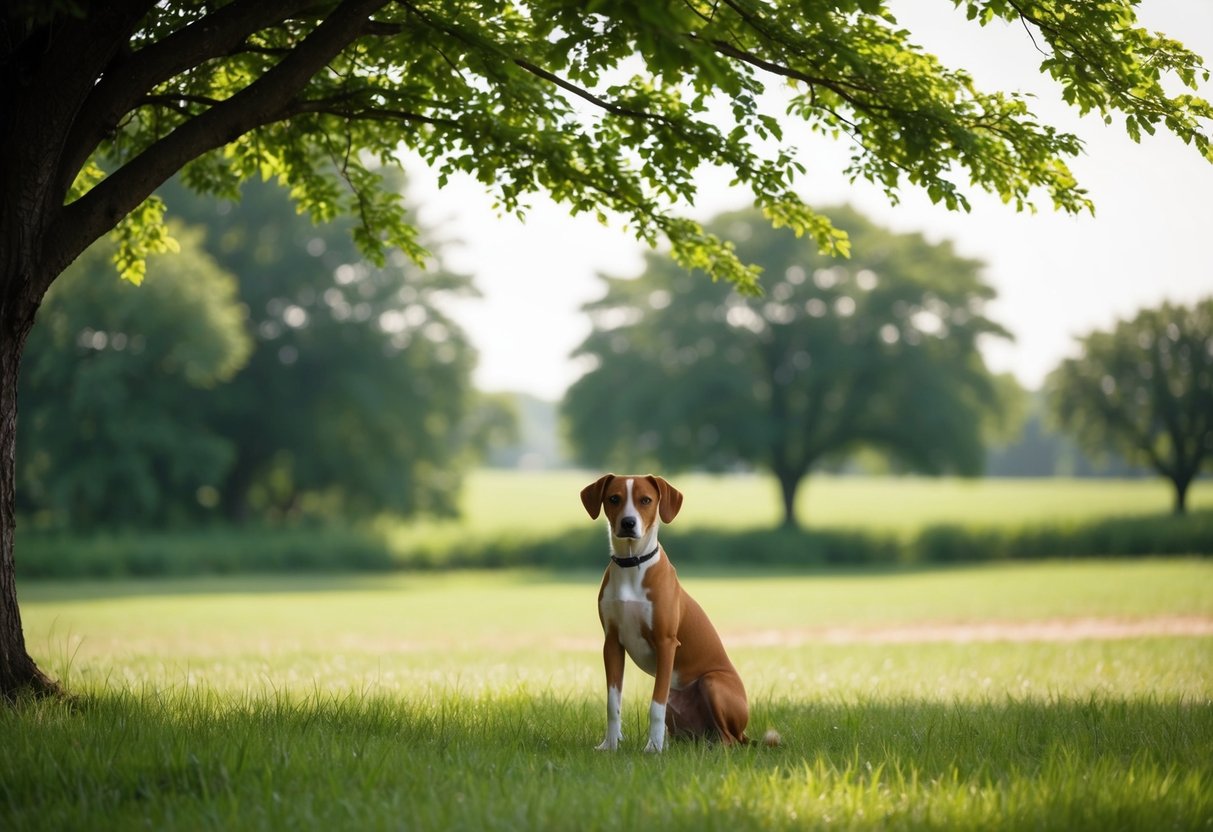
If you’re looking for a dog that rarely barks, the Basenji is a top choice. Known for their quiet nature, these dogs are unique and charming companions that can fit well into various lifestyles.
Meet the Basenji
The Basenji is often called the “barkless dog.” Instead of barking, they communicate with a distinct yodel-like sound. This breed has a short coat and a graceful build, standing about 16 to 17 inches tall and weighing up to 24 pounds.
Basenjis are intelligent and energetic, so they need regular exercise. They are not known for excessive barking, making them ideal for apartment living or homes where noise is a concern. While they are quiet, keep in mind that they may still express themselves through whines or playful sounds when excited. If you’re seeking a loyal, less vocal friend, the Basenji could be a perfect fit.
Special Mention Breeds
When considering dogs that don’t bark much, several breeds stand out for their unique temperaments and characteristics. These breeds may not be completely silent but tend to be quieter than others. Let’s explore some interesting cases worth mentioning.
Unique Cases and Considerations
-
Glen of Imaal Terrier: This breed is known for its quiet nature. They can bark, but they often do so only when necessary. This makes them great companions for those who prefer a calm environment.
-
Rhodesian Ridgeback: While they can be protective, Ridgebacks are generally reserved barkers. They might alert you if something unusual happens, but they won’t constantly yap.
-
Soft-Coated Wheaten Terrier: These dogs tend to be friendly and playful but are not known for excessive barking. Their happy demeanor shines through without the need for constant noise.
-
Chinese Crested and Shar Pei: Both breeds have a reputation for being relatively quiet. Chinese Crested dogs may bark to communicate, but they do so infrequently, much like the Shar Pei.
-
Affenpinscher: This small breed is affectionate and charming. They can bark at times but are usually not vocal unless excited.
-
Dandie Dinmont Terrier: Often quiet, these terriers enjoy companionship without being overly loud. They’re known for their unique appearance and loving nature.
-
English Bulldog: Bulldogs are known for their laid-back attitude and are generally not barkers. This makes them well-suited for quieter homes.


