
When considering which dog is hardest to take care of, it’s important to understand the challenges that come with certain breeds. Some dogs have unique training difficulties and behaviors that can make them more demanding for an owner.
Breeds such as the Afghan Hound and the Basenji are often noted for their stubbornness and independent nature, leading to more complex training challenges.

If you’re thinking about bringing a dog into your home, knowing about these breeds can help you make an informed decision. Not all dogs are easy to train, and some require special attention or techniques. Owners of harder-to-train breeds often find themselves needing more patience and consistency.
Understanding canine behavior is key to making a lasting connection with your dog. If you’re ready for a challenge and willing to learn, even the most stubborn breeds can become loyal companions. Recognizing the needs and traits of different breeds can set you up for success in your journey together.
Factors Making Some Dogs Harder to Train

Certain traits and behaviors can make some dog breeds more challenging to train. Understanding these factors will help you prepare for the responsibilities of dog ownership.
Prey Drive and Instinctual Behaviors
Dogs with a high prey drive have a strong desire to chase and hunt. Breeds like the Greyhound and Siberian Husky often exhibit this trait.
When these dogs see small animals or moving objects, their instinctual behaviors may kick in, causing distractions during training. This can make it difficult to keep their focus on you.
To manage this, it’s crucial to redirect their energy through engaging activities or specialized training. By channeling their instincts, you can make training a more enjoyable experience for both of you.
Stubbornness and Independent Nature
Some breeds are known for their stubbornness and independent nature. Breeds like the Afghan Hound and the Shiba Inu fit this description. They often think for themselves, which can lead to resistance during training sessions.
This independent mindset makes them less likely to follow commands without a clear reason. To work with these dogs, use positive reinforcement methods that reward desired behaviors. Patience and consistency will help you build trust and make training sessions more productive.
Sensitivity and Socialization Needs
Sensitivity levels vary among dog breeds, affecting how they respond to training. Breeds like the Chow Chow and Shar-Pei may require gentle training approaches due to their sensitivity.
Additionally, socialization plays a crucial role in their comfort around people and other animals. If they lack proper exposure during their early years, they may become anxious or aggressive. Therefore, prioritize socialization early on to help them adapt. Engaging them in new experiences can improve their confidence and ease training challenges.
Common Training Methods for Challenging Breeds
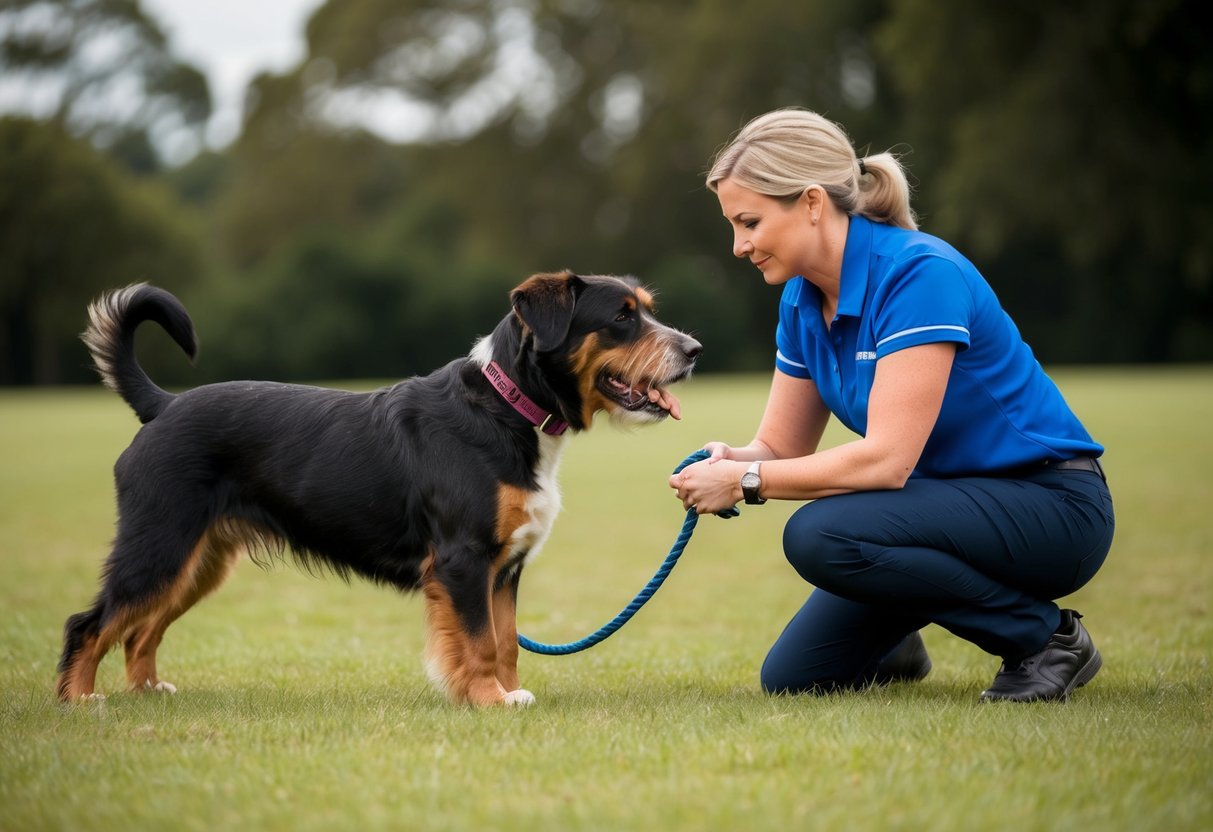
When it comes to training challenging dog breeds like the Mastiff, Rottweiler, or American Pit Bull Terrier, effective methods are key. You’ll want to focus on techniques that reinforce positive behavior and provide clear structure.
Positive Reinforcement Techniques
Positive reinforcement is one of the best training methods for difficult breeds. This strategy rewards desirable behaviors instead of punishing unwanted ones. You can use treats, toys, or praise to encourage your dog when they follow commands or display good behavior.
- Use Treats: Many dogs respond well to tasty treats. Keep some handy during training sessions.
- Praise and Affection: Verbal encouragement and petting can boost your dog’s confidence.
- Clicker Training: This involves using a clicker to mark the exact moment your dog does something right. It’s a clear signal that they’re on the right track.
Using these techniques consistently helps your dog learn faster and builds a stronger bond between you and your pet.
Structured Obedience Training
Structured obedience training offers clear guidelines for both you and your dog. This method involves setting specific rules and using regular training sessions.
- Set a Routine: Schedule regular training sessions at the same time each day. Consistency helps in reinforcing commands.
- Basic Commands: Start with basic commands like “sit,” “stay,” and “come.” These form the foundation for more complex training.
- Controlled Environment: Begin training in a quiet space to limit distractions. This helps your dog focus better.
By providing a structured environment, you can help your dog understand what is expected, making training more effective.
Managing Behavioral Issues in Hard-to-Train Dogs
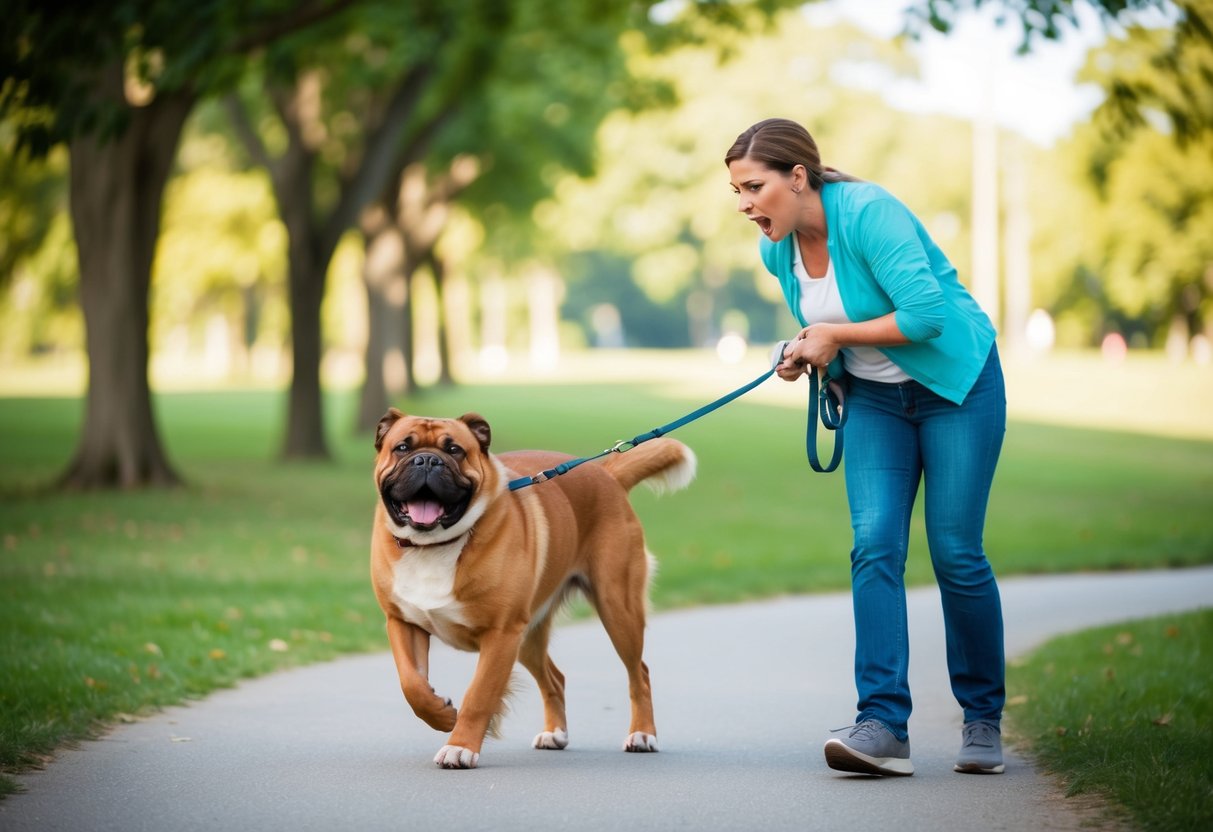
Managing behavioral issues in hard-to-train dogs can be challenging but rewarding. You will find specific strategies to address problems like separation anxiety and boredom. These approaches help you care for your dog better and improve their well-being.
Separation Anxiety Solutions
Many dogs experience separation anxiety, especially breeds like Great Pyrenees and English Bulldogs. This anxiety can lead to destructive behaviors when left alone.
To help, start by gradually increasing the time your dog spends alone. Begin with short intervals and slowly extend them. This training method can ease their anxiety over time.
Using a crate can provide a safe space for your dog where they feel secure. Make the crate inviting with their favorite toys and a comfortable blanket.
Consider leaving a piece of your clothing with your dog. Your scent can comfort them when you are away. Additionally, mental stimulation through puzzle toys can keep them distracted and engaged.
Addressing High Intelligence and Boredom
Dogs like Border Collies and Australian Shepherds are known for their high intelligence. If they do not receive enough mental and physical stimulation, they can become bored and develop unwanted behaviors.
To prevent this, incorporate structured training sessions that challenge their minds. Use positive reinforcement to teach tricks and commands.
Interactive toys and games like hide-and-seek can also engage them. This way, you promote good behavior while keeping your dog entertained.
Regular exercise is crucial for intelligent breeds. Aim for daily walks or runs to release their energy. It will keep them calm and reduce the likelihood of developing issues like chewing or barking excessively.
By focusing on these strategies, you can effectively manage behavior problems in your hard-to-train dog.


