
If you have a Border Collie, you might be wondering about their bathroom habits. This is important for their health and well-being.
An adult Border Collie typically poops between 1 to 5 times a day, while puppies might need to go around 3 to 6 times.
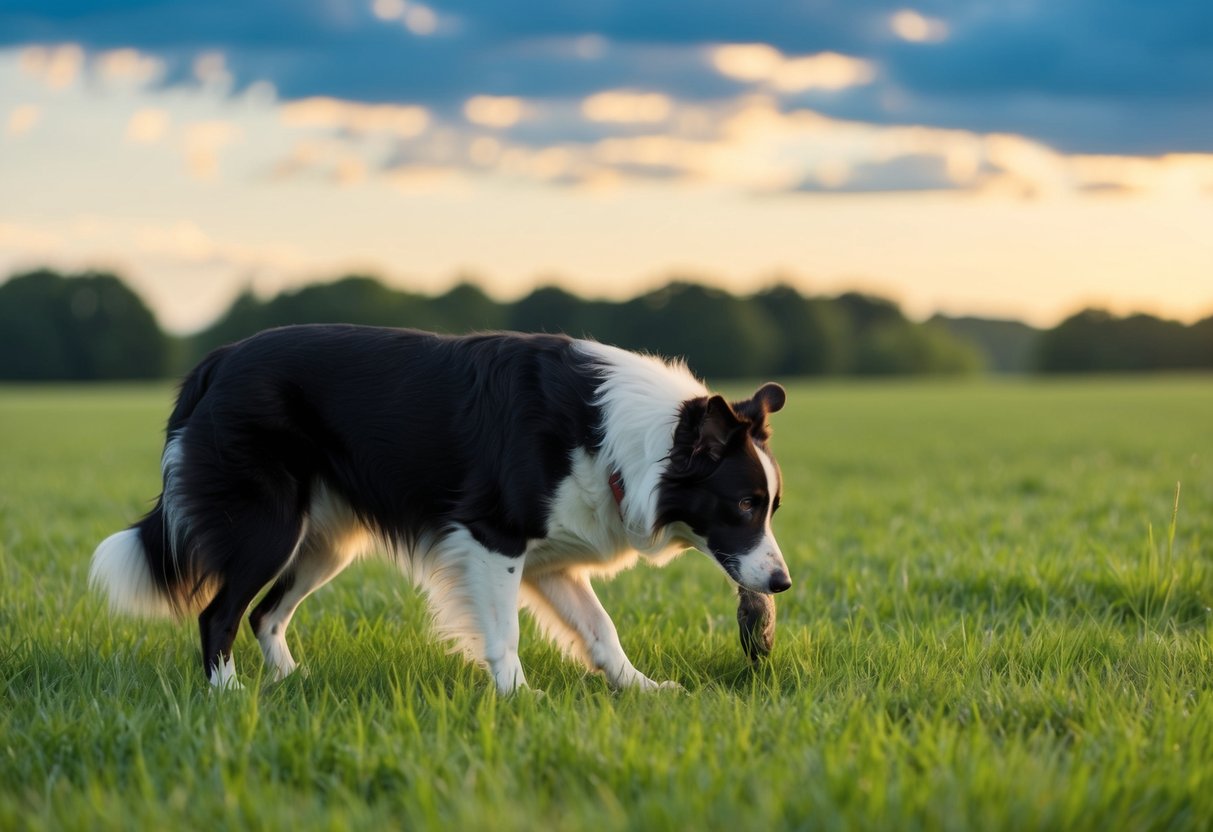
Understanding how often your dog needs to go can help you spot any health issues early. If you notice changes in their bathroom routine, it might be time to consult a vet.
Knowing what is normal for your Border Collie helps you care for them better. This can also strengthen the bond between you and your furry friend.
Understanding Border Collie Digestive Health
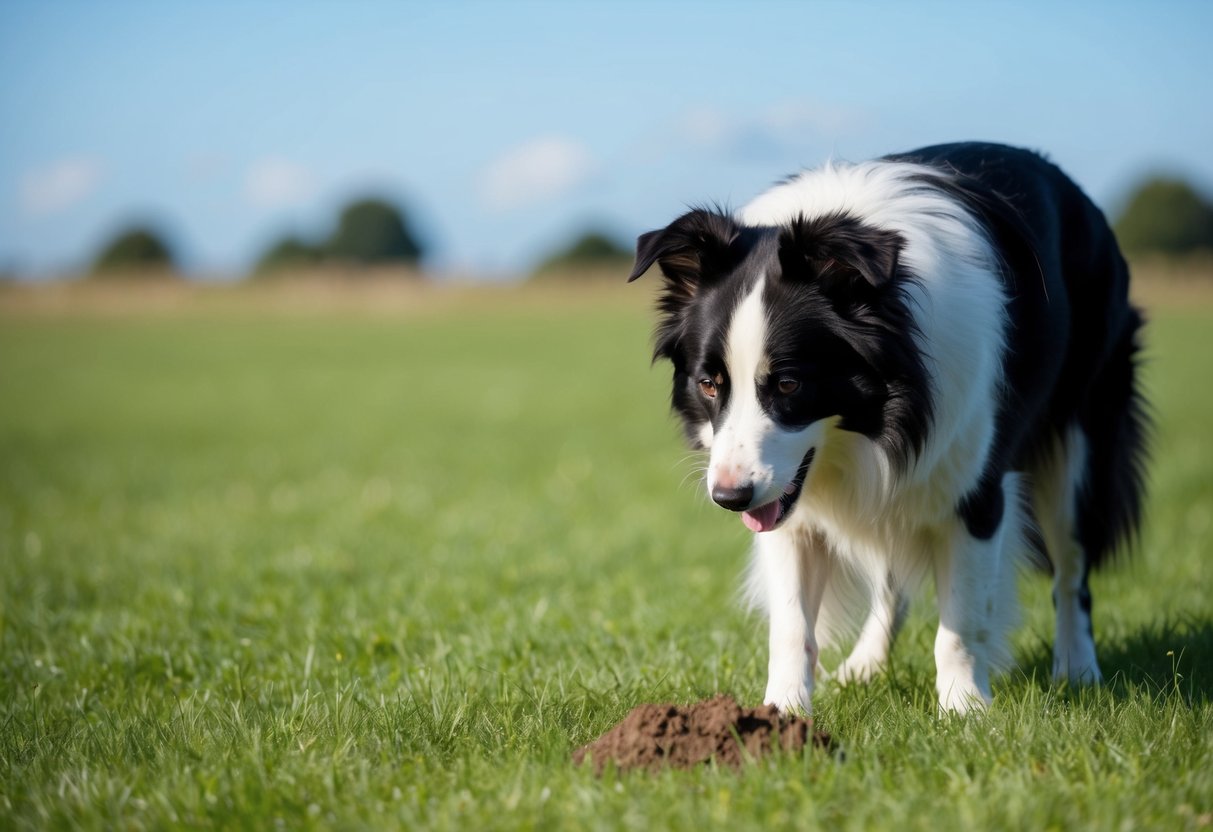
When it comes to your Border Collie’s digestive health, diet and hydration play key roles. Knowing how to recognize health issues can help you ensure your dog stays happy and comfortable.
Role of Diet and Hydration
Your Border Collie’s diet is essential for maintaining a healthy digestive system. A well-balanced meal with high-quality dog food will promote good digestion and regular bathroom habits.
Consider these dietary tips:
- Protein content: Ensure enough protein for energy and muscle health.
- Fiber: Include fiber-rich foods to help with stool formation.
- Hydration: Fresh water should always be available to prevent constipation and support digestion.
If your dog has a sensitive stomach, consult your vet to find the best food options. Regular feeding times can also improve digestion and reduce stomach issues.
Recognizing Health Issues
Being observant can help you catch potential digestive problems early. Signs of health issues may include changes in your dog’s stool or bathroom habits.
Watch for these symptoms:
- Constipation: If your dog strains to poo or does so less than usual, it may indicate constipation.
- Diarrhea: Frequent, watery stools can signal an upset stomach or dietary intolerance.
- Loss of appetite: If your Border Collie suddenly refuses food, it could mean something is wrong.
In any of these situations, it’s best to consult your vet promptly. Quick action can help prevent more serious digestive issues.
The Importance of Age and Exercise

Age and exercise play crucial roles in how often your Border Collie poops. Puppies have different needs than adult dogs, and their activity levels influence their bathroom habits. Ensuring your dog gets enough exercise will help with regular bathroom routines.
Puppy Potty Training
When potty training your Border Collie puppy, age is a significant factor. Young puppies need to relieve themselves more often than adult dogs.
A good rule to follow is the five-minute rule: give your puppy five minutes of potty time for each month of age, up to about 30 minutes.
Border Collie puppies often need to go outside every 1-2 hours. After feeding, drinking, or playing, take your puppy out.
Puppies are full of energy, and regular activity helps stimulate their digestive system. Keep in mind that accidents are part of the learning process. Consistency is key!
Adult Dog Bathroom Routines
As your Border Collie matures, their potty schedule will change. Adult dogs usually need to go outside 2-4 times daily.
Factors like age, diet, and exercise significantly influence their bathroom habits.
Border Collies are high-energy dogs that require ample exercise. More activity means they are likely to poop more regularly.
Schedule daily walks and play sessions to keep their energy levels high. These activities help keep their digestive system in check.
If your adult Border Collie seems to be going too often or not enough, observe their health and adjust their exercise routine. A healthy balance will lead to better bathroom habits.
Establishing a Potty Schedule

Creating a solid potty schedule is essential for your Border Collie. Regular bathroom breaks help form good habits and support their health.
Understanding your dog’s poop frequency is key in this process, along with using positive reinforcement to encourage good behavior.
Assessing Poop Frequency
To begin, monitor how often your Border Collie poops throughout the day. On average, adult Border Collies will relieve themselves about 1 to 5 times daily.
Factors such as diet, exercise, and hydration can affect this frequency.
Keep a log for a few days to identify patterns. Note the times after meals or play sessions when your dog is likely to need a potty break.
Generally, it’s best to take your dog outside after each meal, after waking up, and before bedtime.
If your pup is consistently going more than five times a day, consider adjusting their diet or consulting your vet. This careful observation will give you a clearer idea of your dog’s bathroom habits.
Implementing Positive Reinforcement
Positive reinforcement is an effective tool in Border Collie training.
After your dog successfully uses the designated potty spot, immediately reward them with treats, praise, or affection. This encourages them to keep using that area.
Create a routine by taking your dog out at the same times each day. Consistency helps in establishing strong bathroom habits.
Use a phrase like “Go potty” when you take them outside. This will associate the action with the command over time.
Tip: Always clean up after your dog to keep the area tidy. This helps your dog recognize the area as their bathroom spot. With patience and practice, your Border Collie will learn what is expected and enjoy their potty breaks!
Feeding and Training for Optimal Poo Patterns

To ensure your Border Collie has the best poo patterns, it’s vital to focus on their diet and training methods.
A balanced diet paired with effective training can improve digestion and regularity, leading to healthier habits.
Creating a Balanced Diet
A balanced diet is key for your Border Collie. They need a mix of proteins, carbohydrates, and fats to thrive.
High-quality dog food should contain animal proteins as the main ingredient.
Here are some essential components to consider:
- Proteins: Chicken, beef, or fish.
- Carbohydrates: Brown rice, sweet potatoes, or barley.
- Fruits and Vegetables: Carrots, apples, and blueberries for vitamins.
Make sure to check the ingredient list. Avoid foods with fillers like corn and soy.
Fiber is also important. Aim for about 3-5% fiber in their diet. This helps them stay regular and healthy.
Training Impact on Digestion
How you train your Border Collie can affect their bathroom habits. Stress during training can lead to irregular defecation.
It’s vital to keep training sessions fun and supportive.
Establish a routine. Take your dog out after meals or during playtime.
Consistency is key. Use positive reinforcement to create good associations with bathroom breaks.
Additionally, some commands can help. Teach your dog to “go potty” when outside. This signals that it’s time to relieve themselves.
By combining these training strategies, you’ll support healthy digestion and regular pooping habits.


