
When you’re enjoying a meal, it’s tempting to share a bit of your food with your furry friend. One common question is whether bread is bad for dogs. The simple answer is that bread can be safe for dogs in moderation, but you need to be mindful of the ingredients.
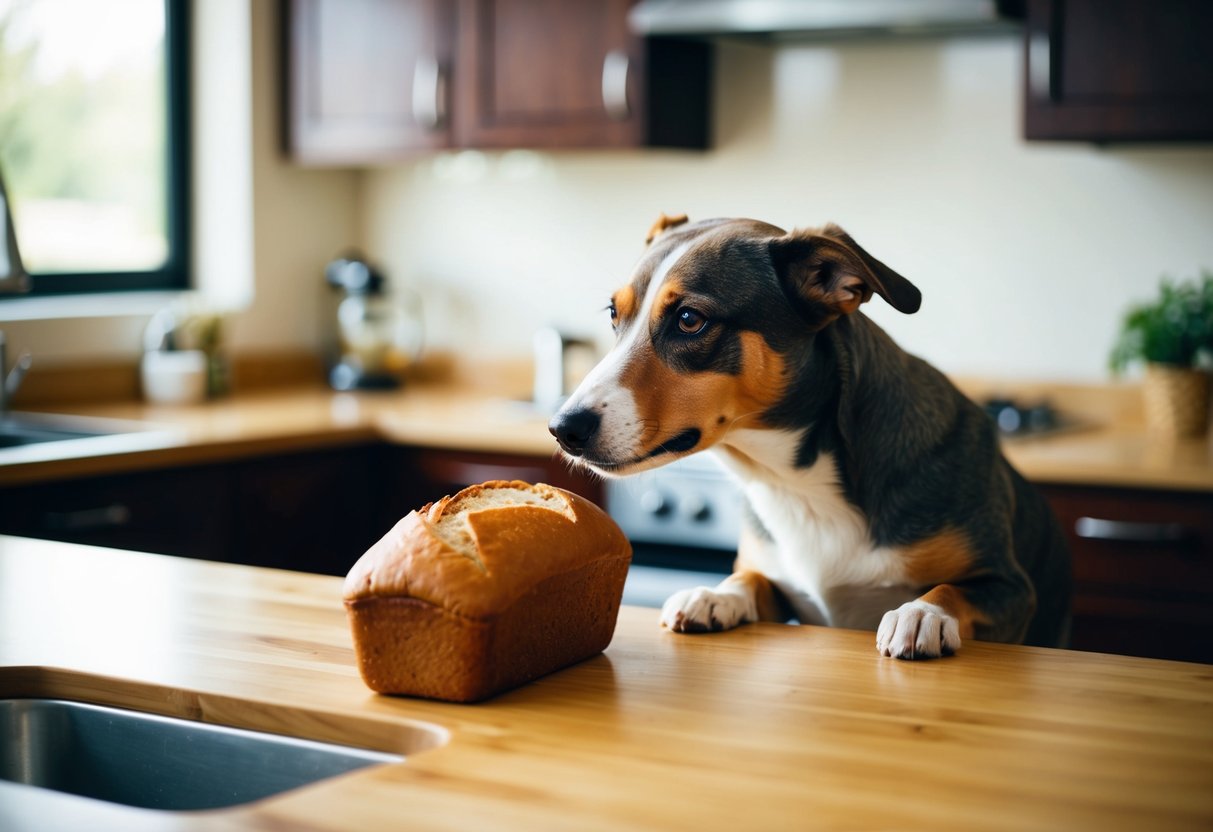
Some types of bread can upset your dog’s stomach, especially if they contain harmful components like garlic or raisins. It’s essential to read labels and be cautious with what you’re offering your pet.
Knowing what makes bread safe or unsafe can help you make better choices for your dog’s health.
As you consider sharing your next slice, keep in mind that not all bread is created equal. Understanding what types are safe can help you treat your dog without worry. Read on to find out more about which breads are safe and how to avoid potential pitfalls.
Understanding Bread and Dogs

When thinking about what to feed your dog, bread can be an option in moderation. It’s essential to know the types of bread available, which varieties are safe, and which ones to avoid to keep your furry friend healthy.
Types of Bread and Their Effects
There are various types of bread, each with different effects on dogs. Common types include white bread and whole wheat bread. White bread is softer and often easier for dogs to digest, but it is lower in nutrients. Whole wheat bread contains more fiber and nutrients, making it a healthier choice.
Be cautious with flavored breads, like garlic or raisin bread. Garlic is toxic to dogs and can lead to health issues. Raisin bread is also dangerous, as raisins can cause kidney failure in dogs. Always be aware of what’s in the bread you choose.
Safe Bread Varieties for Dogs
Some bread types are generally safe for your dog to eat in moderation. Plain white and whole wheat breads without harmful additives are the best options. You can consider giving your dog small pieces as a treat.
Bread can serve as a nice complement to their regular diet. You might also want to try giving them bread made specifically for dogs, which is often healthier and more digestible.
When offering bread, always monitor your dog for any adverse reactions. A good practice is to start with a tiny amount to see how they react.
Breads to Avoid
Certain breads should be kept away from your dog. Garlic bread is one you should definitely avoid. The garlic in it is toxic and can harm your pet’s health.
Raisin bread is another no-go due to the danger posed by raisins. Similarly, bread that contains nuts can also be risky. Nuts, especially macadamia nuts, are toxic to dogs and can cause serious health issues.
Additionally, any bread with added sugars or artificial sweeteners should not be given. Always check for ingredients that may be harmful to your dog’s health before sharing any bread with them.
Health Implications of Bread on Dogs
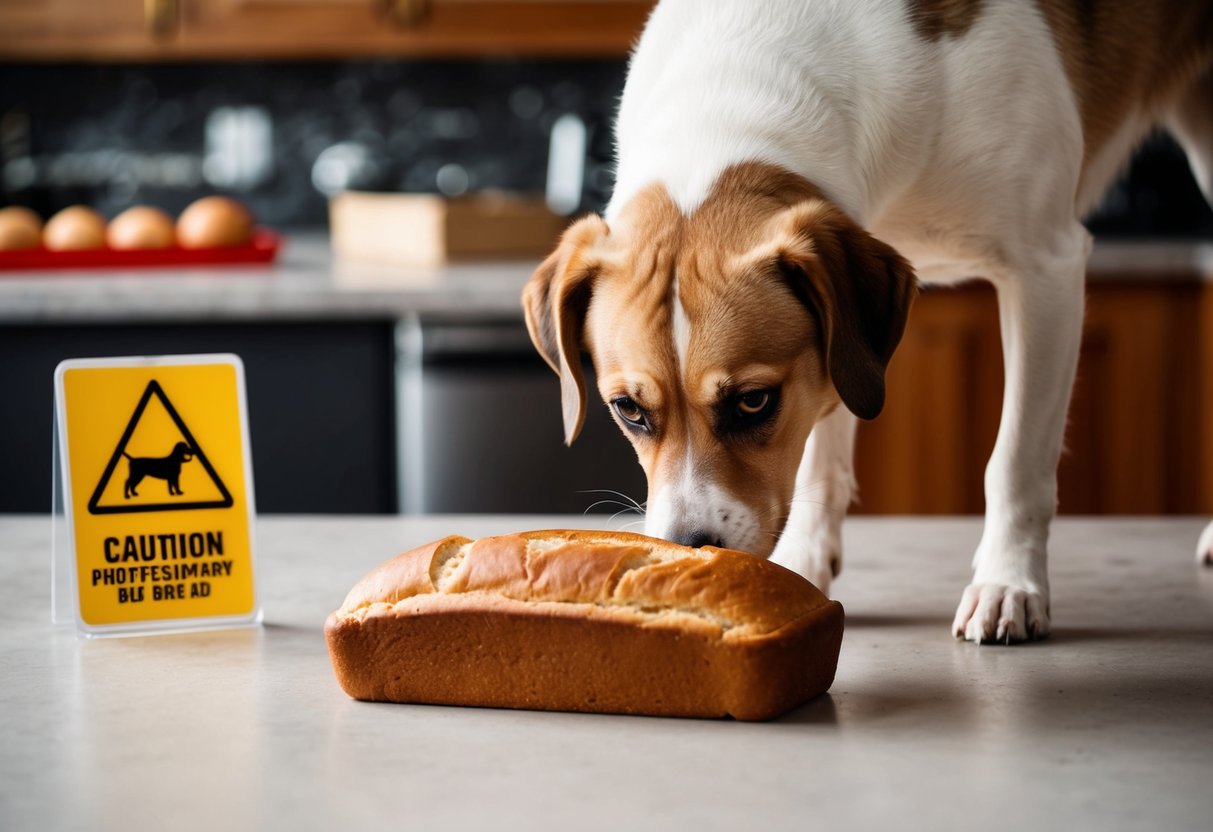
Feeding your dog bread can have various health implications. It’s important to consider factors such as weight management, potential toxic ingredients, and any allergies or sensitivities your dog might have.
Obesity and Weight Management
One of the main risks of feeding bread to dogs is the potential to cause obesity. Bread is high in carbohydrates, which can lead to weight gain if fed in large amounts. Dogs that are not very active are especially at risk of becoming overweight.
When considering how much bread to give, remember to keep it to a small treat. It is often better to opt for healthy snacks that are lower in calories. Always monitor your dog’s weight and adjust their diet as needed. If you’re unsure, consult your veterinarian for tailored advice.
Potential Toxic Ingredients
Many types of bread contain ingredients that are harmful to dogs. For instance, breads made with garlic or onions can lead to serious health issues. Even small amounts of these ingredients can cause abdominal pain or other digestive problems.
You should avoid giving your dog flavored breads, like garlic bread, at all costs. Stick to plain bread and always check the ingredient list. Avoid bread that contains raisins or xylitol, as these can be especially toxic. Ensure you know what’s in any bread you offer your furry friend.
Allergic Reactions and Sensitivities
Some dogs may have allergies or sensitivities to certain ingredients in bread. Wheat and gluten are common allergens for dogs. If your dog shows signs of discomfort after eating bread, such as itching, diarrhea, or vomiting, it may be best to stop feeding it to them.
Always introduce any new food gradually. If you suspect your dog has a sensitivity, consult your vet. They can help determine if bread is safe for your dog and suggest alternatives that are less likely to cause issues.
Bread as a Dietary Supplement for Dogs

When considering whether to include bread in your dog’s diet, it’s important to know when it can be beneficial and what other options might be available. Understanding the types of bread your dog can safely eat will help you make informed choices for your furry friend.
When to Consider Bread
You can feed bread to your dog in moderation. Certain occasions may warrant adding bread to your dog’s diet. For example, if your dog is experiencing digestive issues, plain, cooked bread can sometimes help settle their stomach.
White bread is generally safe for dogs, but whole grain or wheat bread is often a better choice due to its higher nutritional value. Always choose bread free from harmful ingredients like raisins, garlic, or xylitol. These ingredients can be toxic and pose serious health risks to your pet.
Introduce bread slowly into your dog’s diet. Watch for any signs of allergies or digestive upset. If your dog has a sensitive stomach, it may be best to avoid bread altogether.
Alternatives to Bread
While bread can occasionally be given to dogs, there are healthier alternatives that provide better nutrition.
Consider using carrots, apples, or green beans as dog treats. These options are low in calories and high in vitamins.
You could also explore special dog treats that are designed to meet your pet’s dietary needs.
Many of these treats are formulated with whole foods that are safe and enriching.
Lastly, if you’re looking for something to satisfy your dog’s urge to chew, consider chew toys made from rubber or rawhide.
These options can keep your pet busy while also promoting dental health.


