
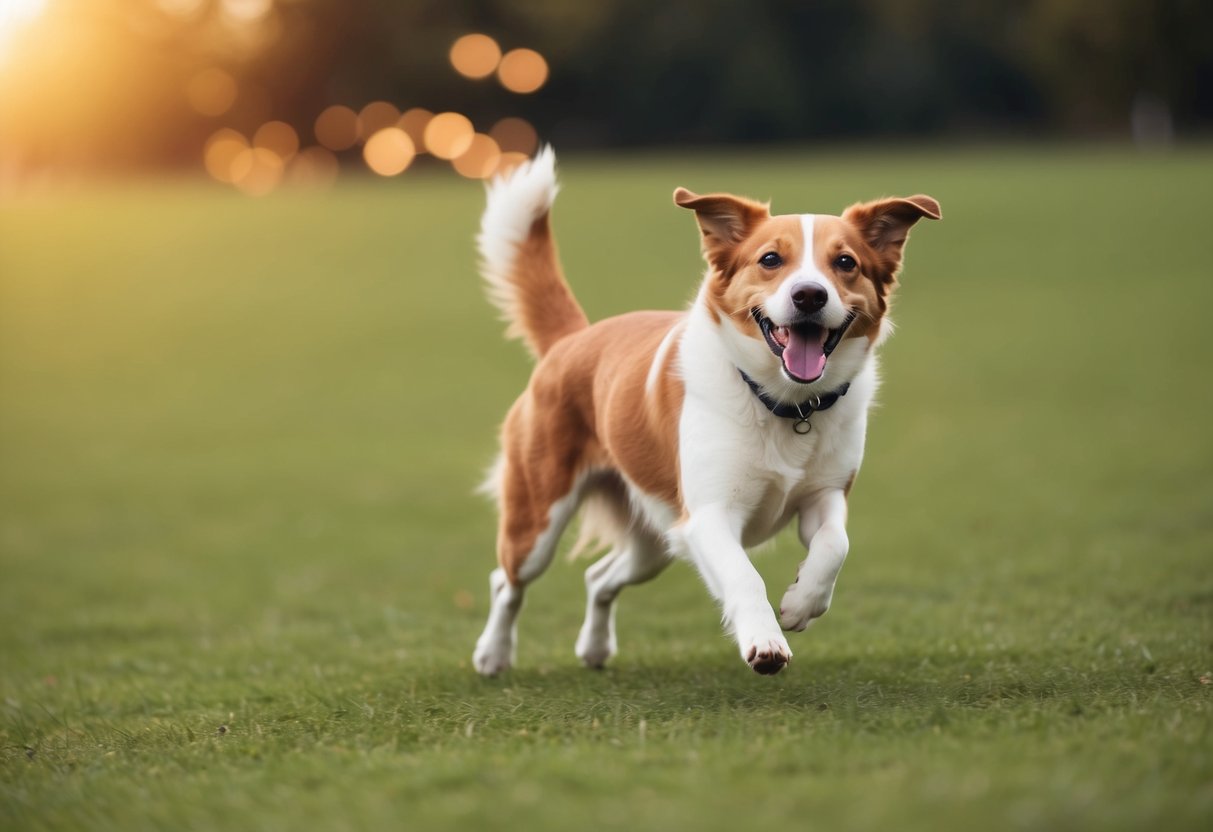
Watching your dog speed around the house or yard can bring a smile to your face. These playful bursts of energy, known as zoomies, are a common sight for many dog owners. While zoomies can often signal happiness and excitement, they can also occur for other reasons, like stress or just needing to burn off extra energy.
It’s fascinating to see how dogs express their feelings through these energetic episodes. You might find yourself wondering if there’s more to these amusing antics than meets the eye. Understanding what zoomies really mean can help you better meet your dog’s needs and enjoy these lively moments even more.
In this article, you’ll discover what drives these energetic outbursts and when to celebrate them or address any underlying concerns. So, let’s dive into the world of zoomies and uncover their true significance for your furry friend!
Understanding Dog Zoomies

Zoomies, also known as frenetic random activity periods (FRAPs), are common in dogs. They often appear suddenly and can be a joyful expression of your pet’s energy. Understanding zoomies can help you recognize when your dog is simply having fun or if there’s something more going on.
Zoomies Explained
Zoomies are bursts of energy where dogs run around rapidly, often in circles. This behavior is perfectly normal and occurs in dogs of all ages and breeds.
They might start after playtime, excitement, or even after being calm for a while. During zoomies, your dog may dart around, leap over furniture, or even exhibit playful barking.
This behavior is a healthy way for your dog to release pent-up energy. It’s also a sign that your dog is feeling good and enjoying their surroundings.
Zoomies as an Expression of Joy
When your dog gets the zoomies, it’s often a sign of joy. This energetic display can happen when they are particularly happy, like after a fun walk, playtime, or when you come home.
Your pet might be expressing their excitement and contentment through this behavior. It’s their way of showing that they are in a good mood.
Pay attention to your dog’s body language. A wagging tail and playful demeanor usually accompany zoomies, confirming that they are thrilled!
Zoomies After Bath and Eating
You may notice your dog getting zoomies after a bath or meal. After a bath, dogs often feel invigorated and want to shake off the water and excitement.
This can lead to frantic running around the house, as they release that built-up energy. After meals, zoomies can happen as a way to celebrate and expend energy following a satisfying meal.
Both situations highlight your dog’s joyful response to changes in their routine. Recognizing these patterns can help you better understand your dog’s behaviors and needs.
The Science of Zoomies
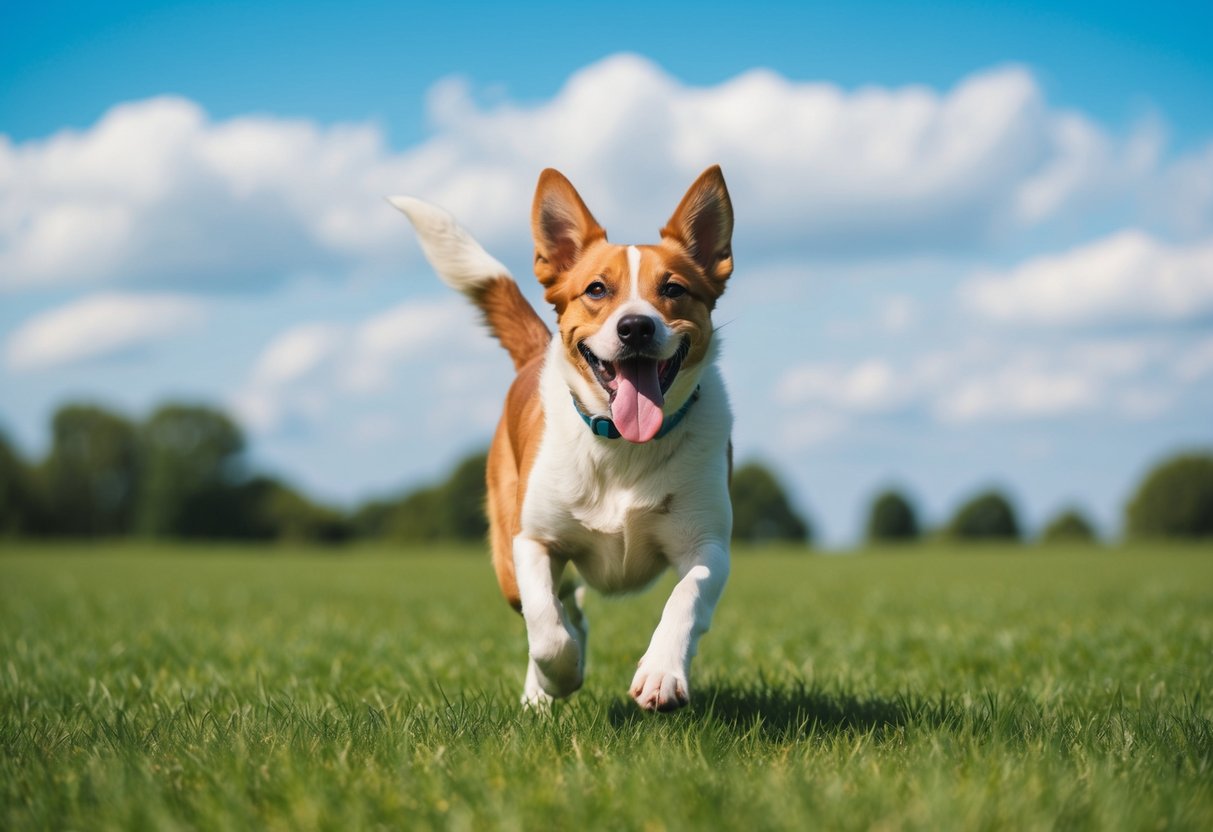
Zoomies are a fun and lively behavior that many dogs display. Understanding the science behind them can help you see why your pup gets those bursts of energy.
Physical and Mental Stimulation
Dogs need both physical and mental stimulation to stay balanced and happy. When they don’t get enough exercise or mental challenges, they can build up pent-up energy. This often leads to those wild, zooming moments around the house or yard.
Activities like playing fetch, going for long walks, or even engaging in puzzle toys can keep your dog stimulated. Young dogs, in particular, require a lot of both types of stimulation.
The more you provide these activities, the less likely they are to release that energy in chaotic ways.
The Connection Between Zoomies and Energy Release
Zoomies often serve as a quick release of tension and energy that your dog has built up. Imagine your dog has been cooped up all day. When the opportunity arises, they may sprint around joyfully as a way to let loose.
This behavior is completely normal and can be a sign that your dog is feeling good. They may zoom around after a play session or when they’re excited. It’s an instinctive action that helps them feel better and more relaxed. So, when you see those bursts of energy, know that it’s just your pet having a great time!
Zoomies and Your Pet’s Health
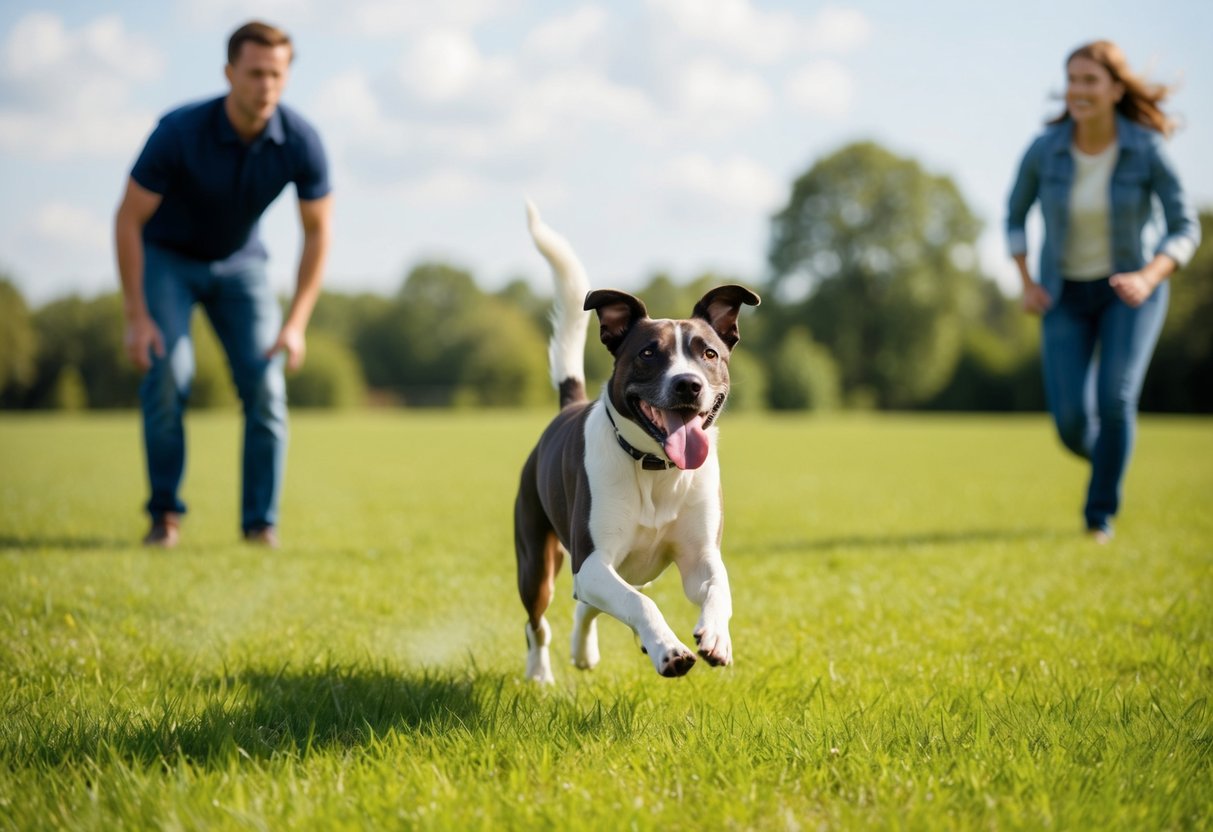
Zoomies can be a fun part of your dog’s behavior, often signaling joy or the need to release energy. However, understanding when zoomies may indicate health issues is just as important as enjoying those playful moments. Here’s what you need to know.
When Are Zoomies a Cause for Concern?
While zoomies are usually a sign of happiness, there are times when they may raise concern. If your dog’s zoomies seem excessive or are accompanied by signs of stress, such as barking or whining, it might indicate anxiety.
Also, if your dog suddenly starts to zoom after a long period of rest, it’s important to watch for signs of discomfort. Older dogs, especially those with arthritis, may experience more pain after zoomies.
If you notice limping or reluctance to play afterward, consult your vet.
Safe Practices During Zoomies
Creating a safe environment for your dog during zoomies helps prevent accidents and injuries. Make sure to clear the area of any obstacles or fragile items that could easily break.
Supervising your pet closely can also help you intervene if they seem to be getting too wild.
If your dog has a history of anxiety or physical issues, you might consider setting time limits on play. Using a command like “settle” can help redirect their energy into calmer behaviors when needed, ensuring both their mental and physical well-being.
Tips for Managing Dog Zoomies
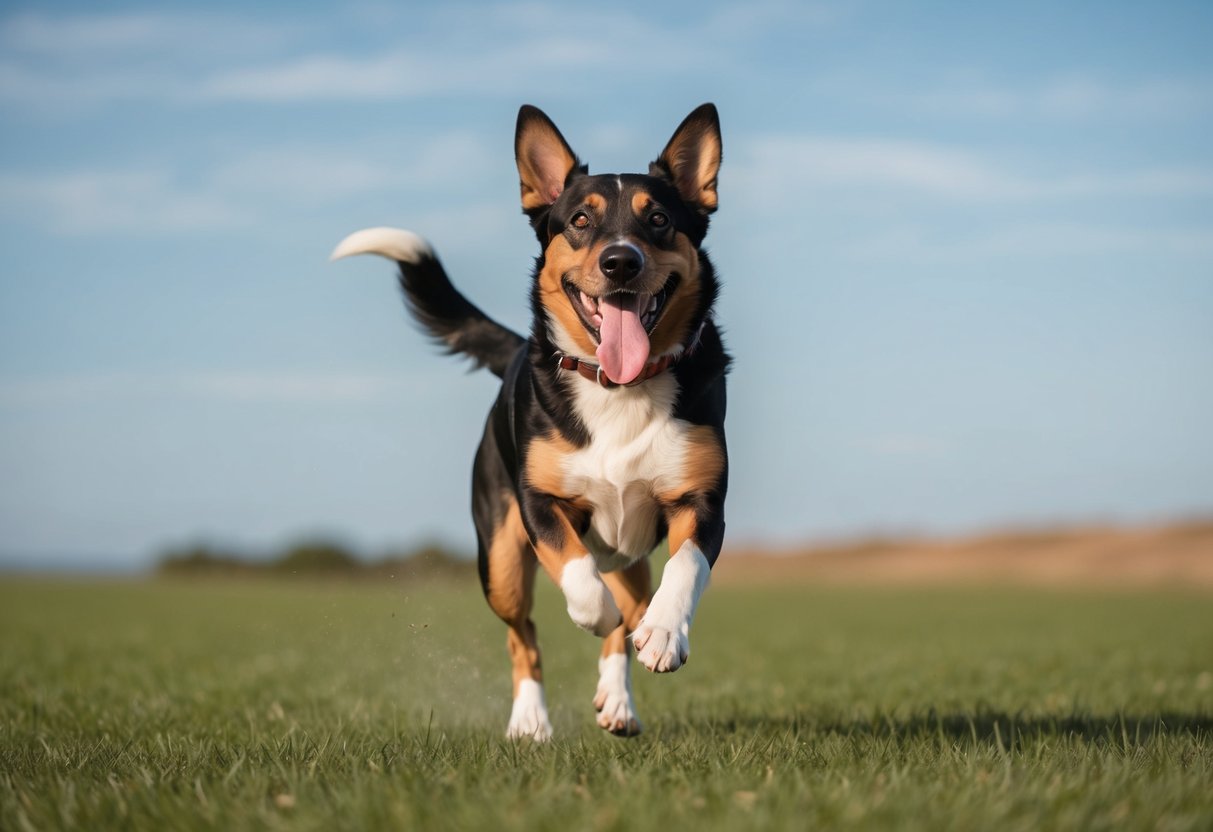
Managing dog zoomies can be fun and rewarding. With the right approach, you can encourage your dog to express their energy safely and enjoyably. Here are some useful tips to help you handle those energetic bursts.
Encouraging Appropriate Zooming Behavior
To channel your dog’s zoomies into a safe activity, consider giving them designated playtime.
Schedule regular exercise sessions. This can include walks, fetch, or running in a secure area. A tired dog is less likely to zoom around the house unnecessarily.
You can also teach cues like “Go play” to signal when it’s time for zoomies. Celebrate when they respond positively to these cues with treats or praise. Reinforcing this behavior helps them learn when it’s okay to release their energy.
Creating a Dog-Friendly Space to Zoom
Designate a specific area for your dog to zoom safely. Make sure this space is free of obstacles.
Declutter any items that could cause injury during a zoom session.
You might consider adding soft mats or rugs to cushion any falls. This helps prevent injuries while your dog runs around.
Keep in mind your dog’s primal instinct to run. By allowing them a safe space to express this, you promote a healthy outlet for their energy.
Plus, a well-managed zoom session keeps both you and your pet happy!


