
If you have a husky and are unsure whether it’s a Siberian or Alaskan, you’re not alone! Many dog lovers find it tricky to tell these two breeds apart because they share similar traits.
To determine if your husky is Siberian or Alaskan, look closely at its physical features, including its face shape, ear size, and fur color.
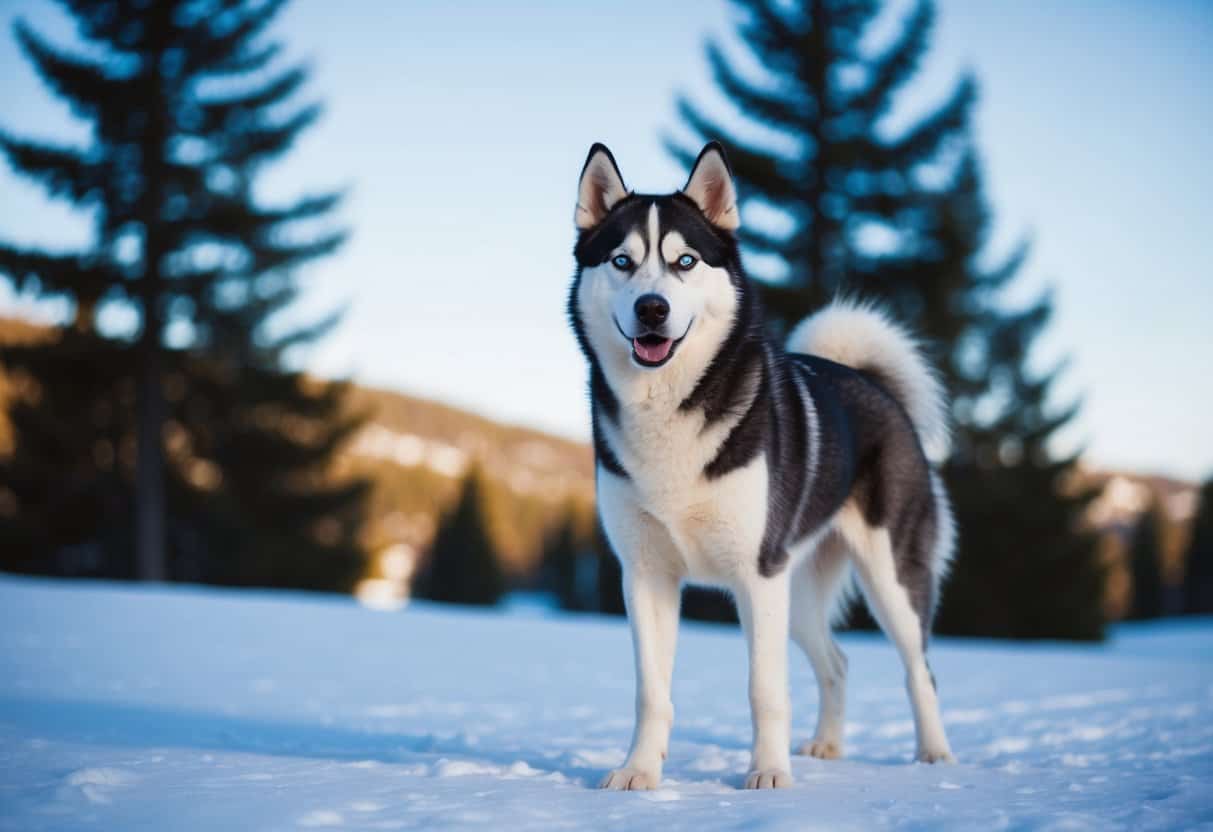
Siberian Huskies typically have a narrower face, shorter ears, and striking blue or multicolored eyes. On the other hand, Alaskan Huskies often have a rounder, flatter face that resembles a wolf and may have varying eye colors, including light blue. Understanding these differences can help you identify which type of husky you own and appreciate the unique characteristics of your furry friend even more.
Both breeds are known for their incredible endurance and playful nature, making them wonderful companions. By learning more about how to distinguish between an Alaskan Husky and a Siberian Husky, you can give your pet the recognition it deserves and care better for its specific needs.
Identifying Siberian and Alaskan Huskies
When trying to identify if your husky is Siberian or Alaskan, start with appearance.
Size is a key factor. Siberian Huskies are medium-sized, weighing between 40-50 pounds and standing about 22-23 inches tall. Alaskan Huskies can be larger and vary more in size, typically weighing 35-60 pounds.
Coat color can also differ. Siberian Huskies have a wide range of colors, including black, gray, and red. Alaskan Huskies often have a more uniform, often black or gray coat.
Eye color is interesting too. Siberian Huskies are known for their striking blue eyes, but they can also have brown or even bi-colored eyes. Alaskan Huskies usually have brown eyes, but variations exist.
Pay attention to tail shape as well. Siberian Huskies have a sickle-shaped tail that curls up when they are excited. Alaskan Huskies might have a more straight or slightly curled tail.
When it comes to physical characteristics, Siberian Huskies have a more wolf-like appearance, with a more refined face. Alaskan Huskies might look bulkier and more muscular.
Checking for these features can help you determine whether your husky is a Siberian or an Alaskan variety. Remember, both breeds are amazing companions!
Behavior and Temperament Distinctions
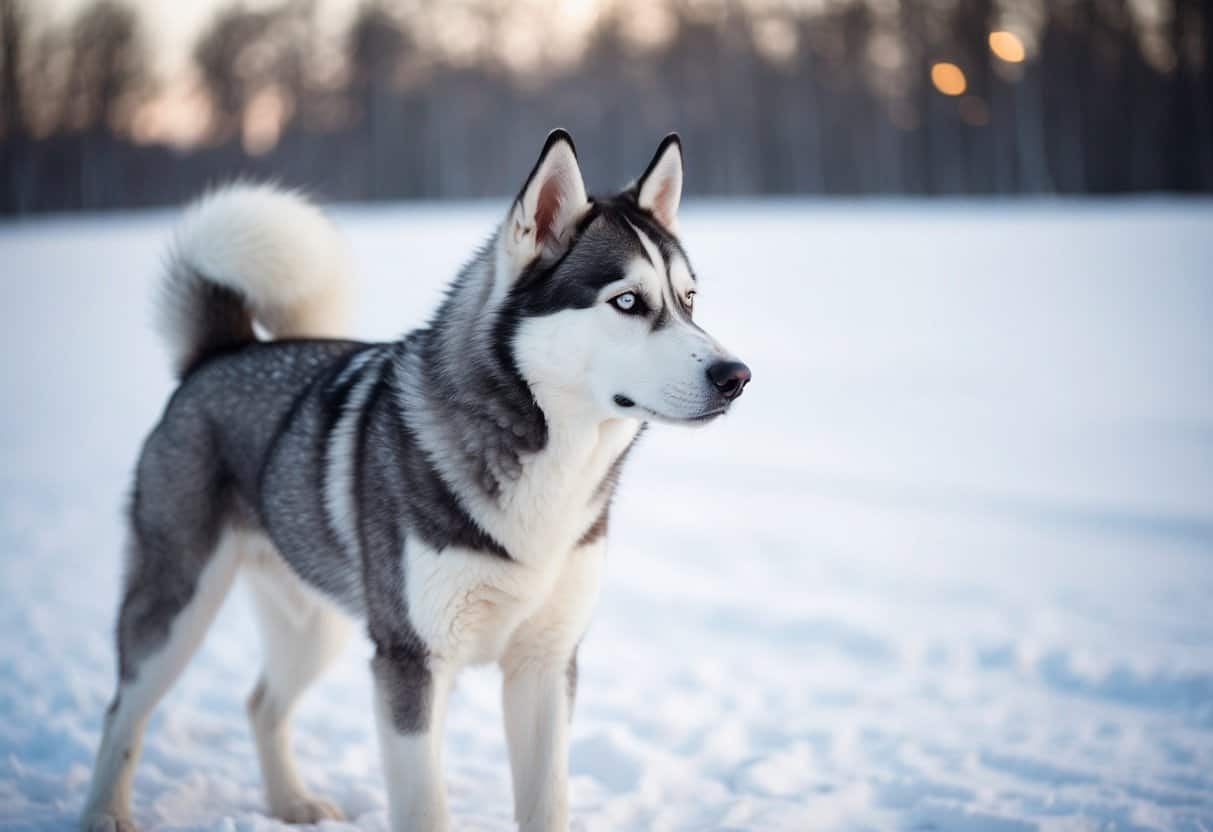
Understanding the behavior and temperament of Huskies helps you decide whether you have a Siberian Husky or an Alaskan Malamute. Each breed has unique traits that affect their suitability as a family pet.
Typical Husky Temperament
Siberian Huskies are known for their lively and playful nature. They are friendly, outgoing, and social dogs that love to interact with people and other pets. Their independent nature means they may not always follow commands instantly.
On the other hand, Alaskan Malamutes are generally more reserved and serious. They are also friendly but can be more protective of their family. Both breeds are intelligent, requiring mental stimulation and consistent training to manage their behaviors effectively.
Exercise and Energy Levels
Both Siberian Huskies and Alaskan Malamutes are high-energy breeds that need plenty of exercise.
Huskies enjoy being active, often requiring at least 1-2 hours of vigorous exercise daily. This can include running, hiking, or even dog sports.
Malamutes need similar activity but may prefer strength-based activities, like pulling sleds or carts. Regular physical activity keeps them healthy and reduces behavioral problems stemming from boredom, like destructive chewing. Ensuring they get enough exercise is crucial for maintaining a happy and balanced dog.
Training and Socialization
Training a Siberian Husky can be a challenge due to their independent nature. They are intelligent but often have a stubborn streak. Positive reinforcement methods work best, as harsh training may lead to resistance. Begin socialization early to help them interact well with people and other animals.
Alaskan Malamutes are more eager to please, which can make training smoother. However, they still require consistent commands and early socialization to be well-adjusted family pets. Both breeds thrive in a structured environment.
Family Pet Compatibility
When considering which breed fits into your family, think about their compatibility with kids and other pets.
Siberian Huskies usually get along well with children and are known for their playful demeanor.
Alaskan Malamutes also bond well with families but can be more protective. They typically have a higher prey drive, meaning smaller pets may not be safe around them. Understanding their social behaviors can help you make informed choices as a pet owner.
Health and Grooming
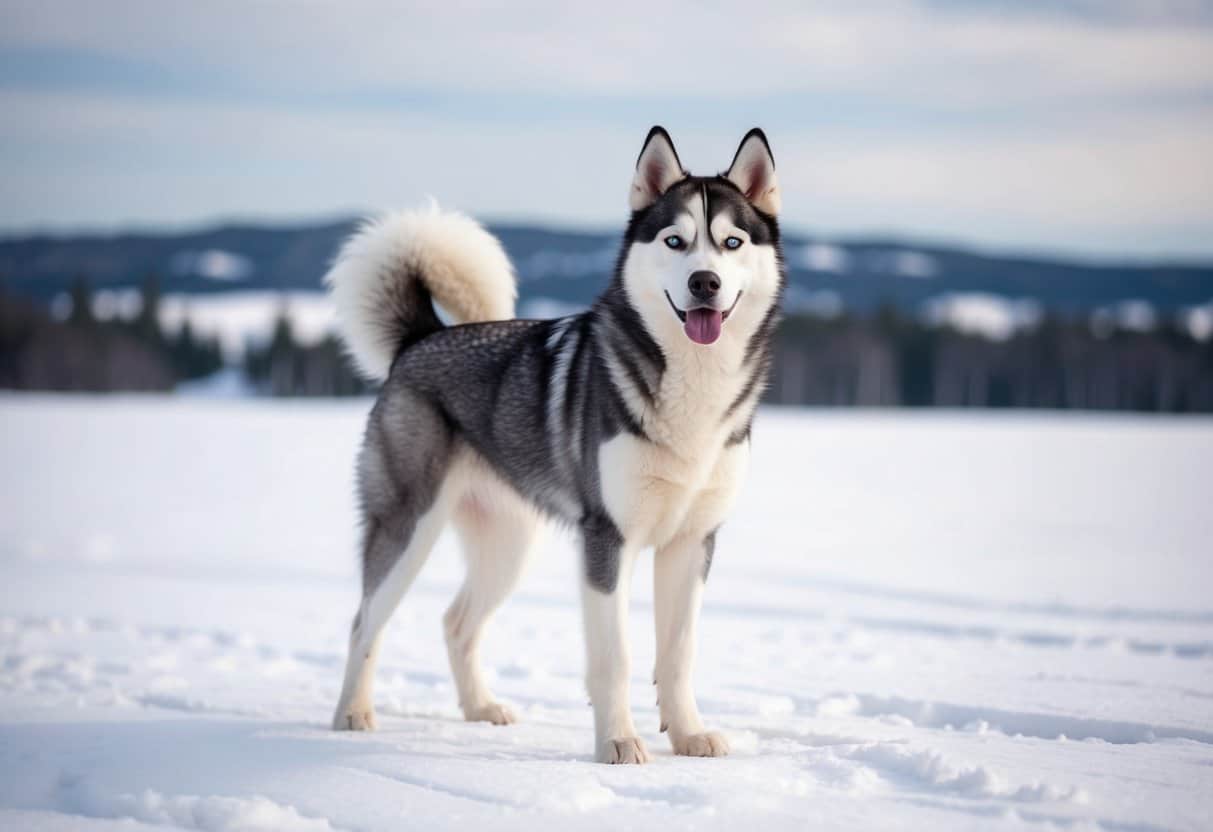
Taking care of your Husky’s health and grooming needs is crucial for their overall well-being. Understanding their specific requirements can help you provide the best care possible.
Recognizing Common Health Issues
Huskies can face several health issues that you should be aware of.
Hypothyroidism is a common condition where the thyroid gland isn’t active enough, leading to weight gain and lethargy. Another issue is Progressive Retinal Atrophy, a genetic condition affecting eyesight, which can eventually lead to blindness.
You should also look out for hereditary deafness and various skin problems. Alaskan Husky Encephalopathy is another concern in Alaskan Huskies. Regular vet check-ups can help catch these issues early. Keep an eye on your dog’s energy level, appetite, and any behavioral changes, as these can be signs of health problems.
Understanding Grooming Needs
Your Husky’s thick double coat requires regular grooming to keep it healthy.
They have a dense undercoat that helps with insulation, making them more prone to shedding, especially during seasonal changes. Aim to brush their coat at least twice a week to manage loose fur and reduce shedding.
Bathing should be done sparingly, around every 3-6 months, to avoid stripping their natural oils. When grooming, check their ears and eyes as well. Your Husky may have different eye colors, so it’s important to monitor any discharge that may indicate an issue. Keeping up with grooming will help keep your Husky comfortable and looking great!
Historical and Functional Roles
Huskies have an interesting history tied to their roles as working dogs. Both Siberian and Alaskan Huskies were bred for similar purposes, but their backgrounds differ.
Sled Dogs were essential in harsh, snowy conditions. They pulled sleds over long distances, transporting goods and people. Their endurance and strength made them ideal for this task.
The Chukchi people in Siberia developed the Siberian Husky, a purebred. They relied on these dogs for hunting and companionship. Their friendly nature and athleticism helped them become popular as family pets.
On the other hand, the Alaskan Husky is often a mixed breed. Gold miners and settlers bred them for speed and strength in Alaska. This means their appearance and size can vary widely.
Both breeds excel in pulling sleds and doing laborious tasks, demonstrating their versatility as working sled dogs. Their athleticism allows them to thrive in competitive settings, such as sled dog racing.
Today, Huskies are not just working, but also serving as guard dogs in some settings. They are loved for their loyalty, energy, and playful nature, making them popular choices for families and adventurers alike.


