
When it comes to huskies, you might wonder about the difference between a Siberian Husky and an Alaskan Husky. The key distinction is that Siberian Huskies are a recognized purebred breed, while Alaskan Huskies are more of a mixed breed used primarily for sledding. This makes them unique in appearance and purpose, even though they share some similar traits.

Siberian Huskies are known for their striking looks, often featuring beautiful blue or multicolored eyes and a thick coat. They were bred for companionship and utility, thriving as family pets.
On the other hand, Alaskan Huskies are typically bred for performance in sledding competitions, showcasing incredible stamina and speed. Their appearance can vary widely since they aren’t a standardized breed.
Choosing between a Siberian Husky and an Alaskan Husky comes down to your lifestyle and what you want in a pet. Understanding these differences will help you make an informed decision on which husky breed fits your life best.
Defining the Breeds
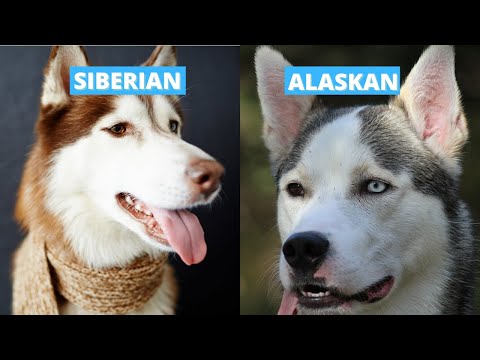
When looking at Huskies, there are key differences between Siberian and Alaskan Huskies. Understanding their distinct characteristics helps you recognize which breed might be the right fit for you.
Siberian Huskies and Their Purebred Status
Siberian Huskies are recognized as a purebred dog breed. They are known for their striking appearance, often featuring blue or multicolored eyes. This breed is registered with the American Kennel Club, which ensures that they meet specific standards.
Siberian Huskies typically weigh between 35 to 60 pounds and stand 20 to 24 inches tall. Their friendly nature makes them great companions. However, be prepared for their energetic personality. They require regular exercise and mental stimulation to stay happy and healthy.
Siberian Huskies also have a thick double coat that protects them in cold climates. Their endurance makes them exceptional sled dogs. This breed has a long history, originating from Siberia and is valued for its resilience and sociability.
Alaskan Huskies and Mixed Breed Origins
Alaskan Huskies are different as they are not a single recognized breed. Instead, they are a mixed breed, often combining several dog types, including Siberian Huskies, Greyhounds, and Malamutes. This mix results in a variety of appearances and temperaments.
Due to their mixed lineage, Alaskan Huskies are not registered with organizations like the American Kennel Club. Their primary role continues to be as working dogs, especially in sled racing.
Alaskan Huskies tend to have a range of sizes, from 35 to over 70 pounds. Their personality is highly variable, with some being more independent or headstrong than their Siberian counterparts. This breed is valuable for their adaptability and work ethic, often excelling in rigorous tasks.
Physical Characteristics

When comparing huskies, it’s important to focus on specific traits that set them apart. Differences in size, appearance, coat, and eye color can help you understand which type of husky might suit your needs best.
Size and Appearance Distinctions
Siberian Huskies typically weigh between 35 to 60 pounds, while Alaskan Huskies can range more widely, sometimes exceeding 65 pounds. In terms of height, Siberian Huskies stand about 20 to 24 inches tall. Alaskan Huskies may also vary in height, influenced by their mixed breeding.
Siberian Huskies often have a more compact and muscular build. Meanwhile, Alaskan Huskies tend to have a leaner appearance, built for endurance. Remember, these physical distinctions can impact their suitability for different roles, like family pets or working dogs.
Coat Variations and Grooming Needs
Both breeds have thick double coats designed for cold weather. However, Siberian Huskies usually have a more consistent coat type, often seen in various colors such as black, gray, or red. An Alaskan Husky’s coat is more variable because they can be mixed with other breeds.
Their grooming needs are quite similar. You should expect significant shedding, especially during seasonal changes. Regular brushing—about twice a week—is essential to manage loose fur and keep their coats healthy.
The Significance of Eye Color
Eye color can also be an important feature. Siberian Huskies are famous for their striking blue eyes, although they can also have brown, green, or even one of each, a condition known as heterochromia. Alaskan Huskies, on the other hand, typically have darker eyes.
Eye color doesn’t just add to their beauty; it can reflect their genetics and lineage. So if you’re drawn to unique eye colors, a Siberian Husky might be your best option.
Behavioral Traits and Temperament

When considering the behavioral traits and temperament of Huskies, you’ll find distinct characteristics that set them apart. Energy levels, training needs, and their ability to be family pets are key areas to understand.
Energy Levels and Exercise Requirements
Huskies are known for their high energy levels. They thrive in active environments and require plenty of exercise. Daily walks, runs, and playtime are essential to keep them happy and healthy.
You should aim for at least 1-2 hours of vigorous activity each day. Activities like running, hiking, or playing fetch will help burn off their energy. Failing to meet their exercise needs can lead to destructive behavior.
These dogs can become bored easily, which is why mental stimulation is just as important as physical exercise. Engaging them in fun games or training sessions can help keep their minds sharp and focused.
Training and Trainability
Training a Husky can be a rewarding challenge. They are intelligent dogs but often have an independent nature. This means they may not always be eager to please.
Using positive reinforcement techniques is the best approach. Consistency and patience will help you teach them commands and tricks.
Keep training sessions short and fun to maintain their attention. Socialization is also critical; exposing them to different environments, people, and other animals will help them adapt and behave better.
Companionship and Family Pet Suitability
Huskies can make great family pets, but they do have specific needs. They generally love being part of a pack, so they will bond closely with your family.
However, their energetic and sometimes stubborn behavior may not suit every household. If you have young children, supervision is essential as they play.
They are affectionate dogs, but be prepared to spend time with them and engage in activities together. Huskies thrive on companionship and can become lonely if left alone for long periods. Keeping them busy and involved will lead to a happy, well-adjusted pet.
Health and Longevity

When considering health and longevity for huskies and Siberian huskies, knowing common health issues and life expectancy is essential. Both breeds have specific conditions to watch for, and their lifespans can vary based on several factors.
Common Health Issues and Genetic Conditions
Huskies and Siberian huskies can face various health problems. Hip dysplasia is one notable concern for both breeds, leading to discomfort and mobility issues.
Another condition is hypothyroidism, which affects metabolism and can cause weight gain and fatigue.
Progressive retinal atrophy (PRA) poses a risk to vision in both types of huskies. Cataracts are also common, particularly in older dogs, affecting their sight.
Additionally, Alaskan huskies can be affected by Alaskan husky encephalopathy, a rare condition that impacts their brain health. Choosing a reputable breeder who tests for these genetic conditions is crucial to ensure you’re getting a healthy puppy.
Lifespan Expectancy and Breeding Considerations
The lifespan for Siberian huskies typically ranges from 12 to 15 years. They generally have fewer genetic issues compared to Alaskan huskies. Factors affecting longevity include genetics, diet, and exercise. Keeping your husky active and providing a balanced diet can significantly enhance their lifespan.
Many breeders prioritize healthy breeding practices, which can further extend a dog’s life. Selecting a reputable breeder who conducts health screenings can minimize the risk of your dog suffering from genetic conditions. This proactive approach will help ensure your pet lives a longer, healthier life.


