
Owls have fascinated people for ages with their silent wings and those intense, round eyes. If you’re wondering what an owl stands for, the answer really depends on who you ask, but one thing’s pretty clear: the owl usually represents wisdom, knowledge, and intuition. Most folks see owls as guides—creatures that notice things others might overlook.
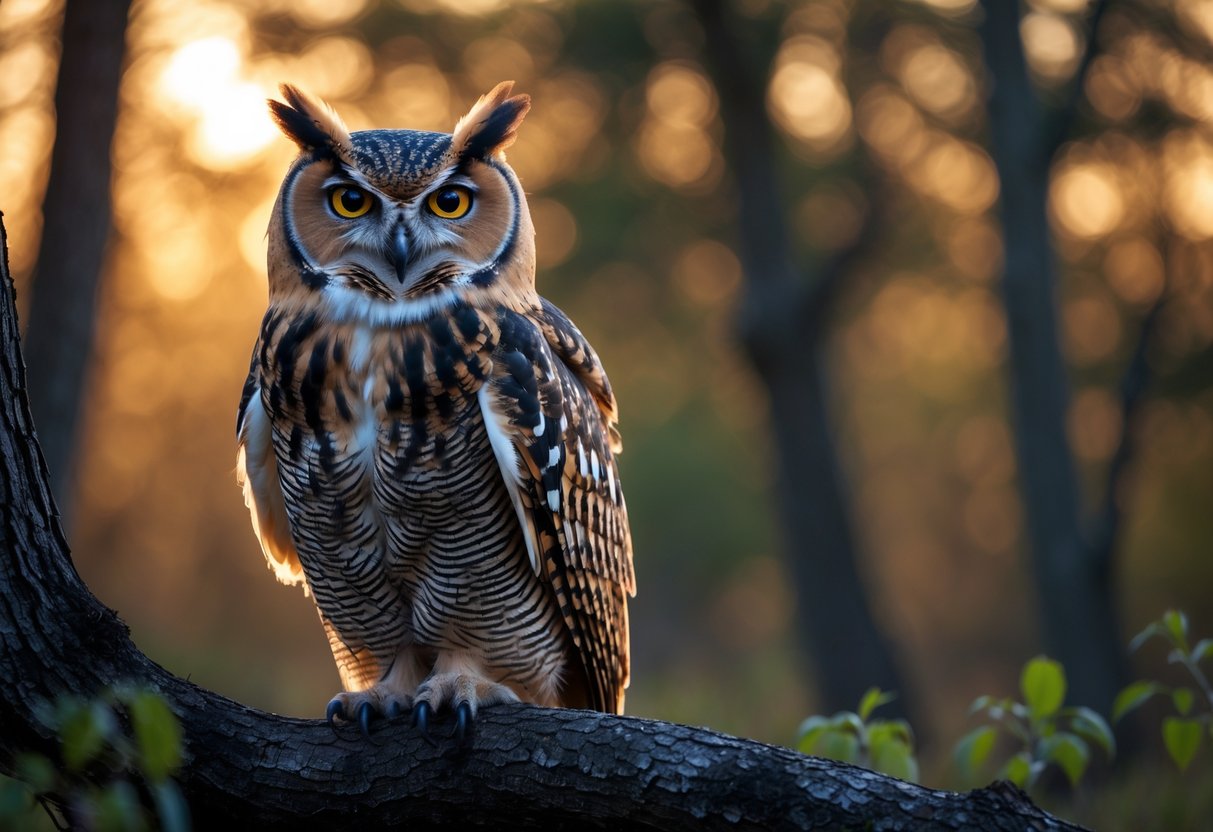
At the same time, owls mean different things in different cultures. Some people think of them as messengers from the spirit world. Others see them as symbols of change, transformation, or even warnings.
Digging into these ideas shows how the owl ties into so many parts of life, from old legends to today’s spiritual beliefs. If you’re curious why owls stir up such strong feelings, or what it might mean if one crosses your path, you’re in good company. Each story adds another layer to what the owl could mean for you.
You can dive deeper into the mystery and wisdom of owls with this overview of owl symbolism.
Symbolic Meanings of the Owl Across Cultures
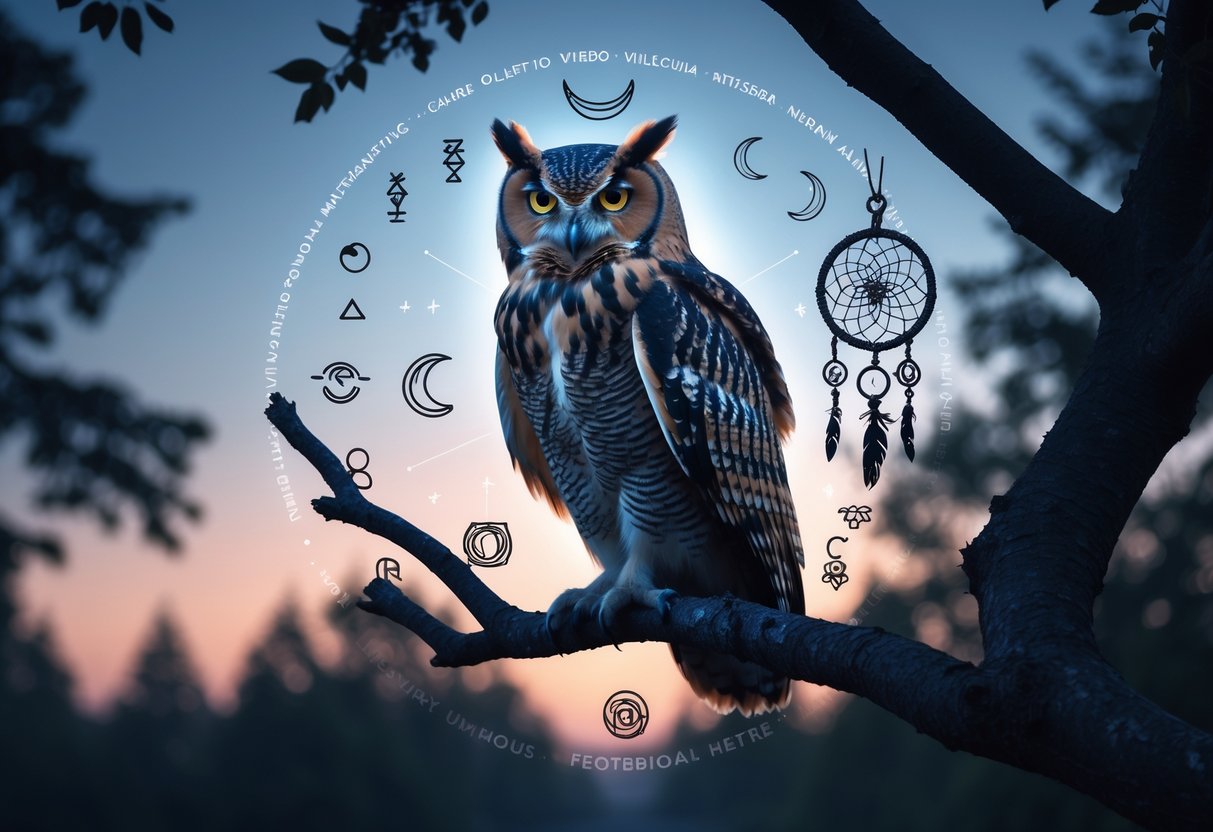
Owls hold deep meanings that mix wisdom, mystery, and even the supernatural. People often see them as guides through darkness or as signals of important messages.
These meanings shift a lot depending on where and when you look.
Wisdom and Knowledge
When owls come to mind, wisdom is probably the first thing you think of. Ancient Greece gave us this idea, since the owl symbolized Athena, the goddess of wisdom.
People believed owls could see what others couldn’t, so they must have had some special knowledge. That’s why you’ll spot owls on coins, books, and symbols of learning.
Their big, watchful eyes and calm presence made people respect them as guides for understanding. In lots of places, owls stand for patience and careful observation—qualities that matter for anyone trying to learn or see things clearly.
Omens, Night, and the Supernatural
Owls live in the night, so many cultures have linked them to omens or messages from beyond. Sometimes, hearing an owl’s call meant something bad was coming, like sickness or even death.
You’ll find this fear in European stories and Native American beliefs. At the same time, people have tied owls to magic and mystery.
Owls seem to guard secrets of the night, letting people believe they could see hidden truths. Since you rarely spot them in daylight, they feel like creatures of the unknown—both respected and a little scary.
Goddess Athena and Mythology
Athena’s bond with the owl is old and strong. She picked the Little Owl as her companion, believing it protected her and her followers.
Back in ancient Athens, soldiers thought seeing an owl before battle meant victory. Owls even showed up on coins, watching over trade and city life.
Other myths, like Roman and Native American stories, also show owls as symbols of transformation or warning. Sometimes they protect, sometimes they signal a big change.
Spiritual Messengers and Prophecy
A lot of Indigenous cultures see owls as messengers between the living and the spirit world. For some Native American tribes, owls warn of danger or signal death.
Dreaming of an owl might mean someone’s about to face harm or go through a big change. Some groups, though, view owls as guardians or guides.
They might bring knowledge about the future or help people understand what’s hidden. Whether you spot one in a dream or in real life, owls often make you stop and think about what’s coming or what’s just out of sight.
If you want to go deeper into owl mythology, check out Owls in Greek & Roman Mythology.
Owl Symbolism in Art, Music, and Nature

Owls have inspired people in all sorts of ways. Their image pops up in art, music, and the wild.
There’s just something about their quiet strength and mysterious habits that keeps artists and nature lovers hooked.
Owls in Art and Creative Expression
Artists often use owls to show wisdom or mystery. Those big eyes and silent poses hint at deep knowledge or secrets.
In paintings and sculptures, owls just sit and watch, almost as if they see things nobody else can. Musicians and writers use owls to stand for intuition and insight.
Songs and stories might mention owls singing softly or calling in the dark, guiding people through tough times. The owl’s image in creative work feels thoughtful and a little bit magical.
The Snowy Owl and Great Horned Owl as Symbols
The snowy owl brings to mind purity and alertness. Its white feathers stand out in cold, quiet places, making it a symbol of clarity and calm.
If you picture a snowy owl, you might think of strength that doesn’t need to shout. The great horned owl, on the other hand, has a fiercer vibe.
With its size and those “horns,” it represents power and courage. Hunters and warriors have admired the great horned owl as a guardian, a sign of bravery when things get tough.
Both owls teach us about peace and strength, just in different ways.
Owl Feathers, Silent Flight, and Birds of Prey
Owls pull off one of nature’s coolest tricks: silent flight. Their feathers feel soft and have unique shapes that stop sound in its tracks.
This quiet lets them sneak right up on their prey. It also kind of stands for quiet strength and focus—at least, that’s how a lot of people see it.
Owls, as birds of prey, really show off their independence and sharp senses. When you look at their feathers and those intense eyes, you can’t help but feel reminded to stay alert and think things through.
They blend grace with power, proving that nature relies on skill and patience to get by.


