
Ever spotted an owl in the UK and wondered if the law protects them? You’re definitely not alone. Owls really capture people’s curiosity, and it’s natural to ask if they get any legal help to stay safe. The short answer is yes—owls, including the barn owl, benefit from UK laws that aim to shield them from harm and disturbance.
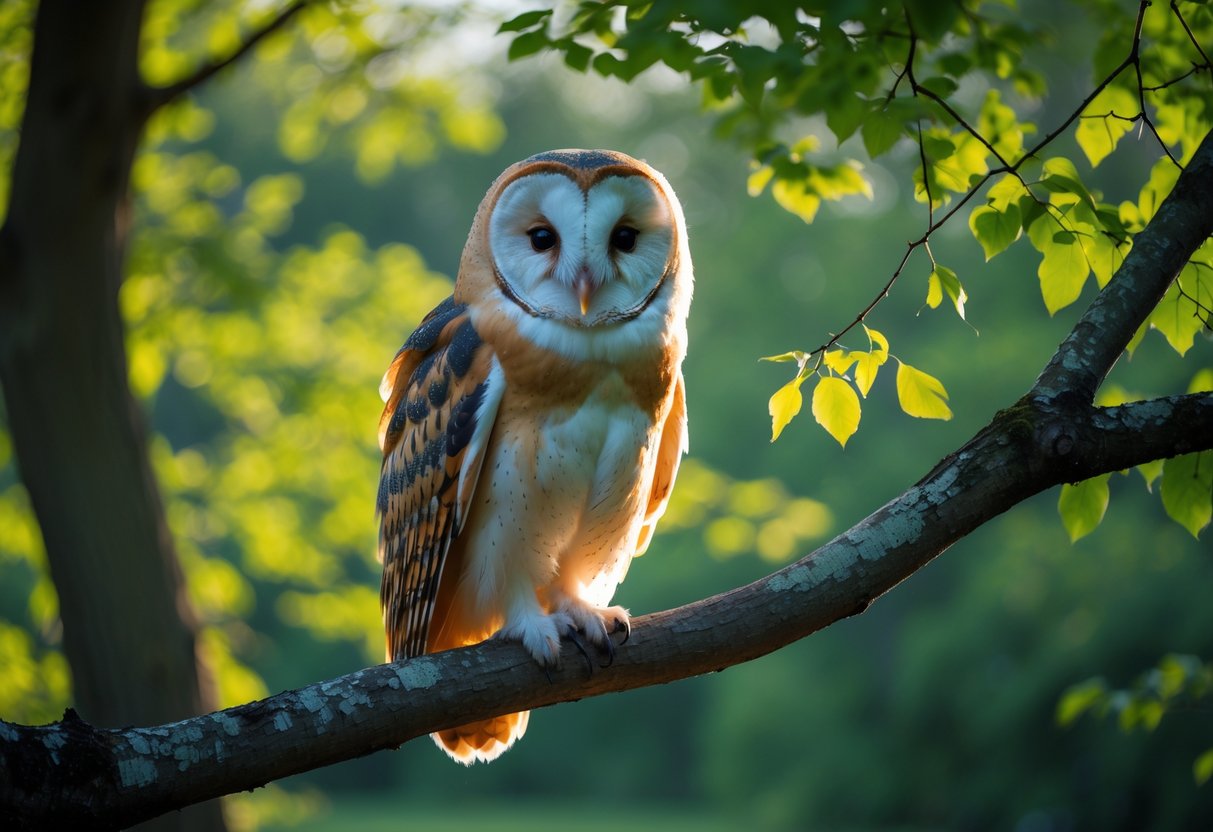
Barn owls are specially protected as a Schedule 1 species under the Wildlife and Countryside Act 1981, which makes it illegal to disturb them, especially while they are nesting. So, you can’t mess with their homes or breeding spots, which really helps keep these birds safe out in the wild. Other owls get protection too, but the barn owl’s status means it gets a little extra attention.
Knowing this really highlights why it’s important to respect owl habitats, especially if you’re doing things like construction or trimming trees near their nests. If you’re curious about the laws and why they matter, let’s dig into how these protections actually work for owls in the UK.
Legal Protection of Owls in the UK
Owls in the UK get strong legal protection. The laws stop people from harming them, their nests, or eggs.
Some owls get even more protection because they’re rare or get easily disturbed. The rules spell out what’s not allowed and what penalties you could face if you break them.
Wildlife and Countryside Act 1981
The Wildlife and Countryside Act 1981 stands as the main law that protects owls. It covers all wild birds in the UK, including owls like the barn owl and little owl.
You can’t intentionally kill, injure, or take any wild bird under this law. Damaging or destroying nests while birds are building or using them is also off-limits.
Eggs of wild birds are protected too, so you can’t take or harm them. The law applies to all wild birds, so you need to be mindful during things like tree cutting or building work.
If you need to do work, it’s best to avoid the breeding season to keep these birds safe.
Offences and Penalties
If you harm owls or their nests, you could face serious trouble. The law makes it illegal to kill, injure, or disturb nesting owls.
Penalties can include unlimited fines and up to six months in prison for each offence. Authorities can also prosecute you if you own or sell wild birds or their feathers without permission.
Disturbing birds with noise, lights, or construction is also a problem. If you run into an issue with wild birds, you can apply for a licence from Natural England in certain cases.
Protection for Barn Owl and Little Owl
Barn owls get extra protection because they’re rare and easily disturbed. They’re listed in Schedule 1 of the Wildlife and Countryside Act.
This means it’s illegal to disturb them while they’re nesting or near their young. Little owls are protected too, but they don’t have the same Schedule 1 status.
They still fall under the general protections for wild birds. Because barn owls are more at risk, you need to take special care during development or land work near their habitats.
It’s best to avoid disturbing their nesting sites at all costs. If you want more details, you can check out the legal protection for nesting barn owls.
Threats to Owl Populations and Their Role in Biodiversity
Owls face a bunch of challenges that hit their numbers and shake up nature’s balance. These problems directly affect how well owls survive and do their jobs in the wild.
Understanding these threats really shows why it’s worth looking out for owls.
Habitat Loss and Land Use Changes
When people clear or change forests, fields, and hedgerows, owls lose key places to live and hunt. You might notice that farming or new buildings take away old trees and nesting spots that owls need.
This loss makes it tougher for owls to find food and safe places to stay. Changing the land also affects the small animals owls eat, like rats and mice.
If those prey animals disappear, owls struggle to survive. Protecting hedgerows and field edges keeps owl habitats healthy and helps all sorts of wildlife.
Impact of Trapping and Poisoning
Sadly, some owls get hurt because people trap them or use poisons meant for pests. Poisons can build up in owls when they eat poisoned rats, and that can make them sick or even kill them.
Illegal trapping for collectors also cuts down owl numbers. Laws protect owls from this kind of harm, but you can help by reporting anything suspicious that puts them at risk.
Owls as Natural Pest Control
Owls do a fantastic job controlling rodents like rats. When you have owls hanging around, they help keep these pests in check without you lifting a finger.
That means you can skip the harsh chemicals and still protect your garden or farm. It’s a win for your plants and for the environment.
Owls keep rodent populations balanced. This balance gives plants and other animals a better shot at thriving.
Honestly, supporting owl conservation just makes sense if you care about your local ecosystem. It’s a simple way to help nature stay in balance.
For more on how development and legislation affect owls, you can check out legal protection for nesting Barn Owls and threats to barn owls.


