
When you hear an owl hooting, it’s hard not to wonder what it means. Is it good luck? Or does it spell trouble? Honestly, an owl’s hoot can mean a bunch of things, depending on the moment. Usually, people think of wisdom, protection, or just a nudge to pay closer attention to what’s happening around you. Some folks say it brings luck, but others might feel a bit uneasy and take it as a warning.
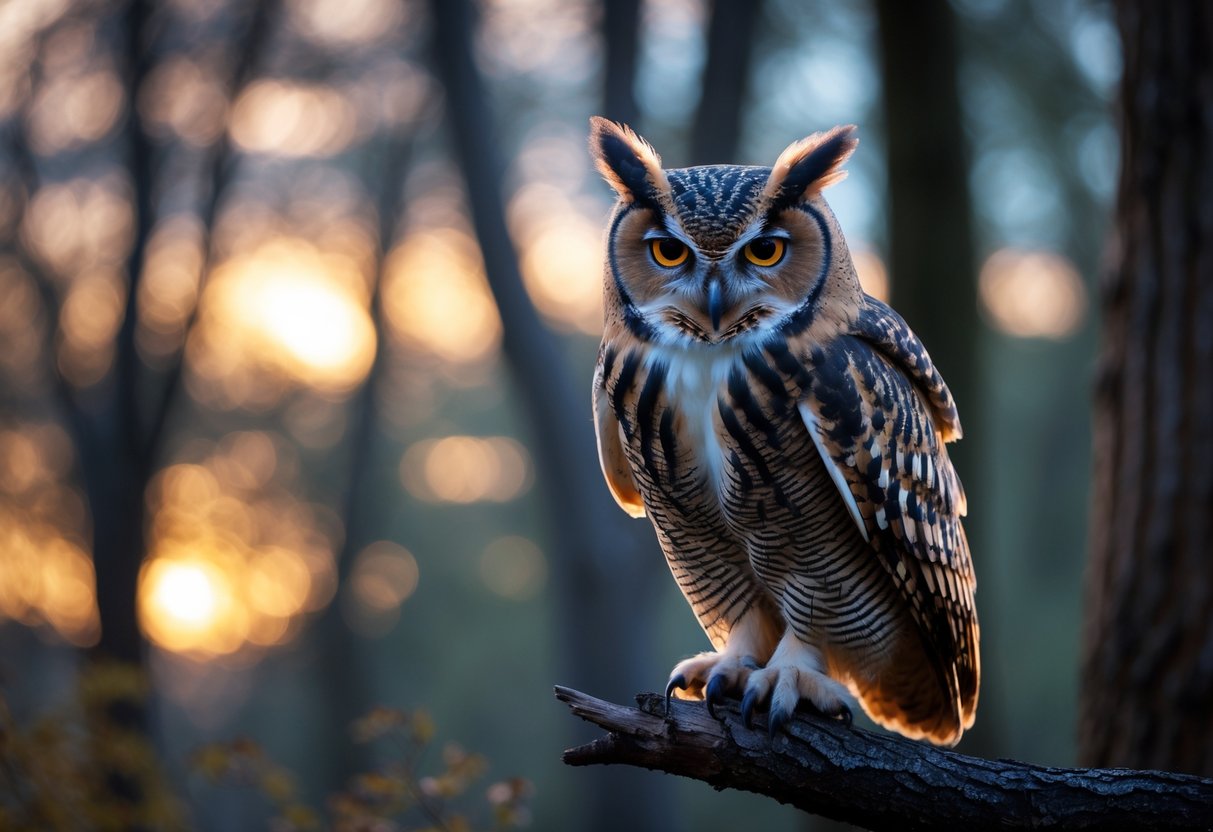
Owls hoot to mark their territory or just to chat with each other. Some people believe these sounds tie into bigger things, like change or guidance from the spirit world.
Whether you find it spooky or almost magical, figuring out what an owl’s hoot could mean might help you see things in a new light.
Ever wondered what different owl calls are really saying? Or how culture changes the way we see these birds?
Let’s dig into why owls hoot and what that might mean for you.
Understanding Owl Hooting: Meanings and Symbolism

Depending on where you live and what you believe, hearing an owl hoot can mean a lot of things. Some people think it’s a warning or a sign of protection. Others see it as a sign that something’s about to change.
Owls have fascinated people for ages and often show up in stories about wisdom and mystery. Their hoots might carry messages that connect to your life, or maybe just to what’s happening outside your window.
Is Owl Hooting a Good or Bad Omen?
People see owl hoots as both good and bad omens. In some places, owls get linked to death or bad luck.
Way back when, some believed an owl’s call meant illness or that someone should get ready for death. But plenty of folks hear an owl and think of protection or a wise warning.
You’ll also find lots of positive takes. Owls symbolize knowledge, so their calls might tell you to trust your gut or get ready for something new.
Some say an owl hooting near your home keeps you safe or brings luck. There’s no single answer—owl hoots just feel complicated.
Spiritual and Psychological Interpretations
Spiritually, people often see owl hoots as guidance or a hint to look within. If you hear one at night, maybe it’s a sign to trust your instincts or pay closer attention to your feelings.
Owls get tied to transformation, so their hoots can push you to let go of old habits and welcome new growth.
On the psychological side, an owl’s call might represent your own intuition. Owls hunt at night and stay alert, so maybe hearing one is a little reminder to stay sharp.
They’re also about mystery and the unknown, nudging you to face fears or puzzle things out.
How Owl Hoots Are Perceived in Everyday Life
In everyday life, owls mostly hoot to claim their territory or talk to other owls. If you catch an owl hooting nearby, it could be warning others to back off or maybe calling for a mate.
Sometimes, when two owls hoot together, it signals a kind of partnership or harmony.
People hang up owl charms or pictures hoping to bring in wisdom or keep bad vibes away. The sound itself can feel a bit spooky, especially at night, but honestly, it’s just nature doing its thing.
Tuning in to these sounds can help you feel more connected to the world around you and maybe catch a message or two from the owls.
If you’re curious about the deeper meanings, check out this guide on symbolic & spiritual interpretations of owl hooting.
Owl Hoots in Superstitions and Cultures Around the World

Different cultures have all kinds of ideas about hooting owls. Some people hear their calls and think, “Uh oh, bad luck.” Others believe owls bring wisdom or keep you safe.
Your take on an owl’s hoot probably depends on where you grew up and what stories you heard as a kid.
Ancient Rome and the Hooting Owl
Back in Ancient Rome, people saw owls as bad news. If an owl hooted, Romans thought danger or death was coming.
Stories say that leaders like Julius Caesar and Augustus got warned by owls before things went south. The Little Owl, or Athene, was tied to the goddess of wisdom, but its hoots still freaked people out.
Romans sometimes nailed dead owls to their doors to try to stop bad luck. Agrippa, a Roman statesman, thought owl hoots were messages from the spirit world.
So, if you hear an owl in a place with Roman history, you might hear old legends about these warnings.
Greek and Babylonian Perspectives
The ancient Greeks had a different take. They connected owls to Athena, the goddess of wisdom.
The Little Owl was her symbol, and its hoot meant insight, not harm. In Greek stories, if you hear an owl hoot, it’s usually about knowledge or being watchful.
Babylon, one of the oldest civilizations, saw things in a more mixed way. Owls could mean darkness or trouble.
People there believed owl hoots warned of death or that evil spirits were close by. Their beliefs mixed fear with a kind of respect for the mysterious sounds of the night.
So, whether an owl’s hoot scared you or inspired you pretty much depended on your culture.
Beliefs in India and Asia
In India, lots of people still think hearing an owl hoot means bad luck or even death. Many worry that the sound signals loss or misfortune.
This idea is especially strong in rural areas, where owls get tied to spirits or witches.
Asia’s got a whole range of beliefs. In Hokkaido, Japan, the Ainu people see owls as protectors.
A soft hoot can mean safety or good fortune. In other parts of Asia, owls like the Burrowing Owl or Barn Owl come with myths that mix fear and respect.
Sometimes, folks think the hoot is a warning to be careful, but other times, it’s just another part of the nighttime chorus.
Owl Hooting in African and Indigenous Folklore
In African cultures, especially among the Swahili, people often connect owl hoots to witchcraft or evil spirits. When an owl calls out at night, some folks think it means a curse or danger is lurking nearby.
Many Africans see owls as nighttime watchers. These birds might warn or protect, but honestly, they can also freak people out a bit.
Indigenous groups—like some in North America and Siberia—have their own takes. The Kalmuks in Russia, for example, usually treat owls as messengers from the spirit world or as signs of death.
Meanwhile, in Europe, snowy owls and eagle owls get a little more respect. People admire their quiet flight and sharp hunting skills, especially with birds like the European Eagle Owl or the long-eared owl (hibou moyen-duc).
If you’re anywhere near forests in Yorkshire or Lorraine, you might stumble across old stories about owl hoots. Some folks link them to omens, while others think they protect families.
All these tales show how owls still hold a strong, mysterious place in cultures around the world.


