
Ever wondered what time owls actually go to bed? It really depends on the species, but most owls are nocturnal and sleep during the day.
Usually, owls settle down to rest just after sunrise and snooze until dusk. That way, they’re ready for their nighttime hunting adventures.
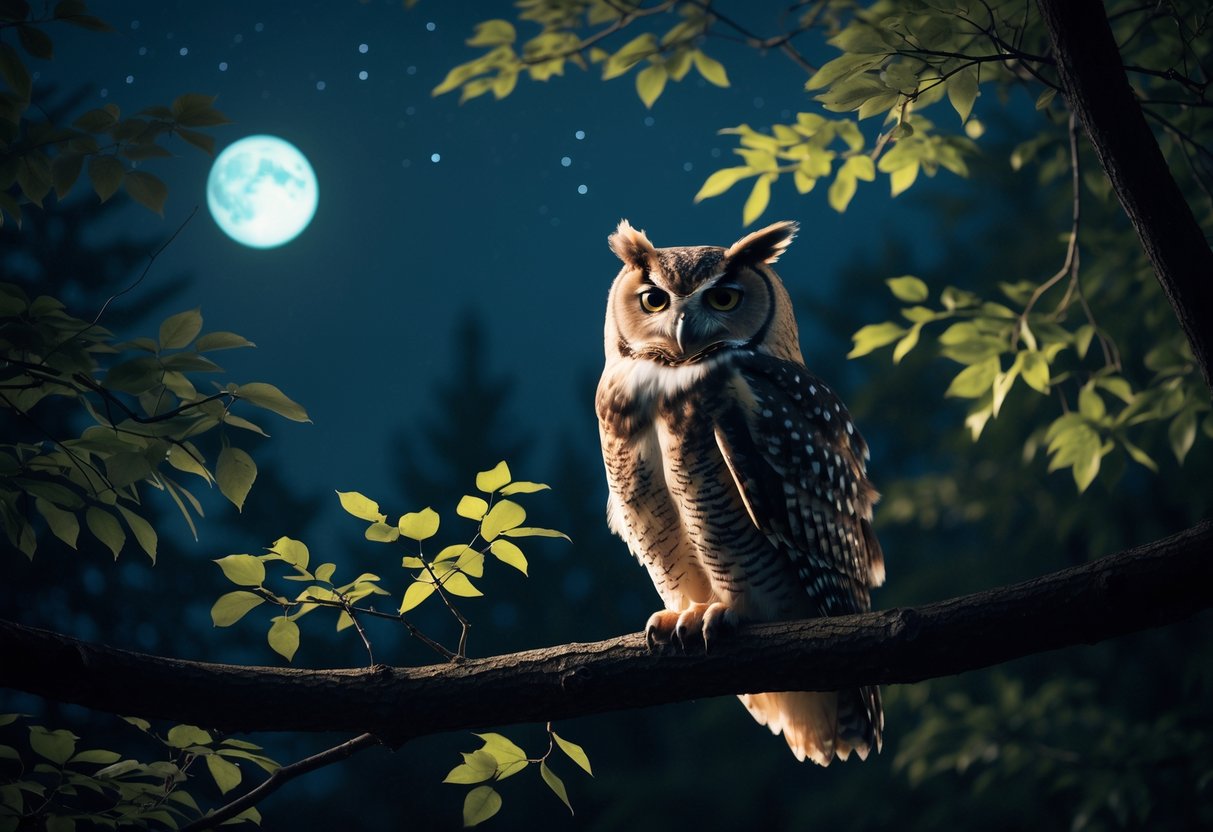
Not all owls stick to the same routine, though. Some species wake up in the early morning or late afternoon, and a few are diurnal—they actually sleep at night instead.
If you know when owls sleep, you get a little insight into their mysterious lives. Who knows, maybe you’ll even spot one in the wild if you’re lucky.
Owls choose their sleeping spots carefully. They look for safe, quiet places like tree branches, hollow cavities, or sometimes even underground.
If you’re curious about how and where owls get their rest, there’s a lot to learn—it’s honestly kind of fascinating!
When Do Owls Go to Bed? The Sleep Schedule of Night Owls

Owls come alive at night, and honestly, a lot of humans who call themselves night owls do the same. Their sleep starts late, and they’re hardly ever up with the sunrise.
How and when night owls sleep totally shapes their routines and energy through the day.
Typical Bedtimes for Night Owls
If you’re a night owl, you probably hit the hay around 1:30 to 2:30 AM most nights. People like this often stay up reading, working, or just relaxing before finally deciding to sleep.
You might even get up once in the night to do something, then crawl back into bed. Most night owls wake up between 8:30 and 9:00 AM.
That schedule still gives you seven or eight hours of sleep even if you’re up late. Some night owls squeeze in a nap in the late afternoon to catch up, which helps make up for the late bedtime.
How Bedtimes Differ from Early Risers
Early birds usually go to bed before 11 PM and wake up around 6 or 7 AM. They get their sleep earlier and start the day before most night owls even open their eyes.
If you’re a night owl, your body clock just runs later. It’s tough to fall asleep early or bounce out of bed at dawn.
Trying to follow an early bird’s schedule can leave you tired and unfocused during the day. Night owls just feel more awake in the evening, right when early risers are winding down.
Delayed Sleep Phase and Its Effects
If you always find yourself unable to sleep until late at night, you might have something called delayed sleep phase. Your internal clock just ticks later than most people’s.
Waking up early feels nearly impossible, and daytime sleepiness can sneak up on you. This shift can mess with your mood, work, and social life because your sleep doesn’t match everyone else’s.
You can try sticking to the same bedtime and wake time every day, but honestly, it can take weeks to see a change. Small tweaks, like cutting back on screens before bed, might help shift your sleep a bit earlier.
If you want more tips, check out AccqSleepLabs.
Why Night Owls Stay Up Late: The Science Behind Bedtimes

Your body listens to internal signals that tell you when to wake up or feel sleepy. These cues come from your own rhythms and chemicals, kind of like a built-in clock.
Everyone’s pattern is a bit different, so why night owls stay up late really boils down to biology.
Circadian Rhythms and Biological Clocks
Your circadian rhythm is basically a 24-hour timer in your body. It tells you when to feel alert and when to wind down.
Daylight mostly sets this rhythm. Light lets your brain know when to release hormones for sleep or waking up.
If you’re a night owl, your clock runs a bit late. You feel most awake when it’s dark, and you’re ready for sleep later than morning people.
This rhythm can shift a little each day, but you usually stick close to your natural pattern. It’s not just in your head—your whole body gets in on the timing!
Role of Melatonin in Sleep Timing
Melatonin is the hormone that tells your body to get ready for bed. It starts releasing in the evening as things get darker, making you feel sleepy.
For night owls, melatonin shows up later than for early risers. That’s why you don’t feel tired until well after midnight.
If you try to go to bed early, your body might just not cooperate because melatonin isn’t there yet. Light, especially from screens, can mess with this and delay your bedtime even more.
So yeah, if you’re up late scrolling, you might be pushing your sleep even later without realizing it.
Chronotype Differences: Night Owls vs. Morning People
You probably already know if you’re a morning person or more of a night owl. That preference? People call it your chronotype.
Mostly, your genes decide your chronotype, but your environment and daily habits can nudge it too.
Morning people get up early and feel sharpest in the first part of the day. Night owls, on the other hand, like staying up late and sleeping in.
Your chronotype shapes more than sleep. It can shift your energy, mood, and even your mental health.
Researchers have found that night owls often struggle with early schedules. That mismatch can pile on stress or mess with mental health.
You can’t really change your chronotype, but if you understand it, you might tweak your routine for better rest and well-being.
Want to dig deeper into circadian rhythms and sleep timing? Check out this Stanford sleep study.


