
If you’ve ever wondered what animal is closest to a beaver, you’re in for an interesting exploration.
Beavers are part of the rodent family and are known for their impressive dam-building skills and semi-aquatic lifestyle. While they are unique creatures, there are several other animals that share characteristics with them, both in appearance and behavior.
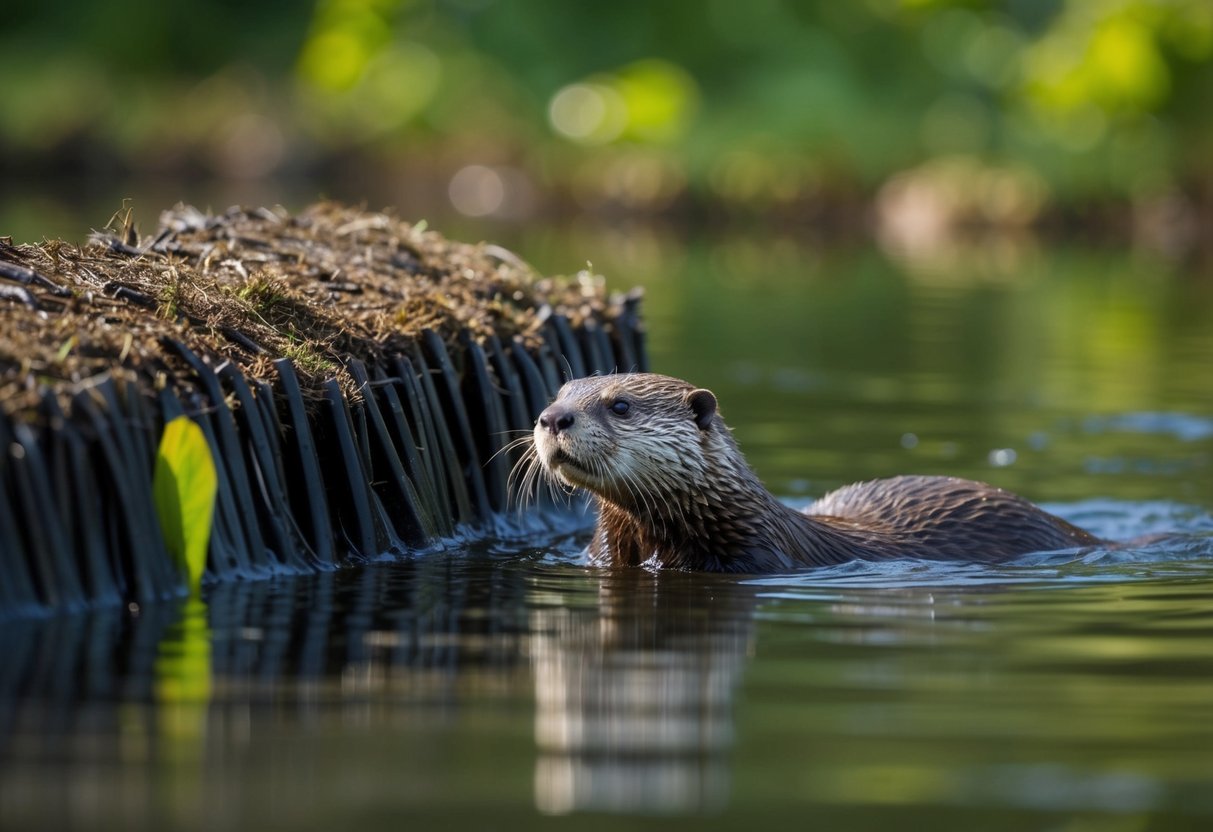
The closest relative to a beaver is the nutria, also known as coypu. This animal is similar in size and shape but has distinct features that set it apart. There are other beaver-like animals too, such as muskrats and capybaras, which you might find fascinating as they navigate their watery habitats.
As you read on, you’ll discover how these creatures compare to beavers and what makes them special in their own right.
Recognizing the Beaver and Its Close Kin
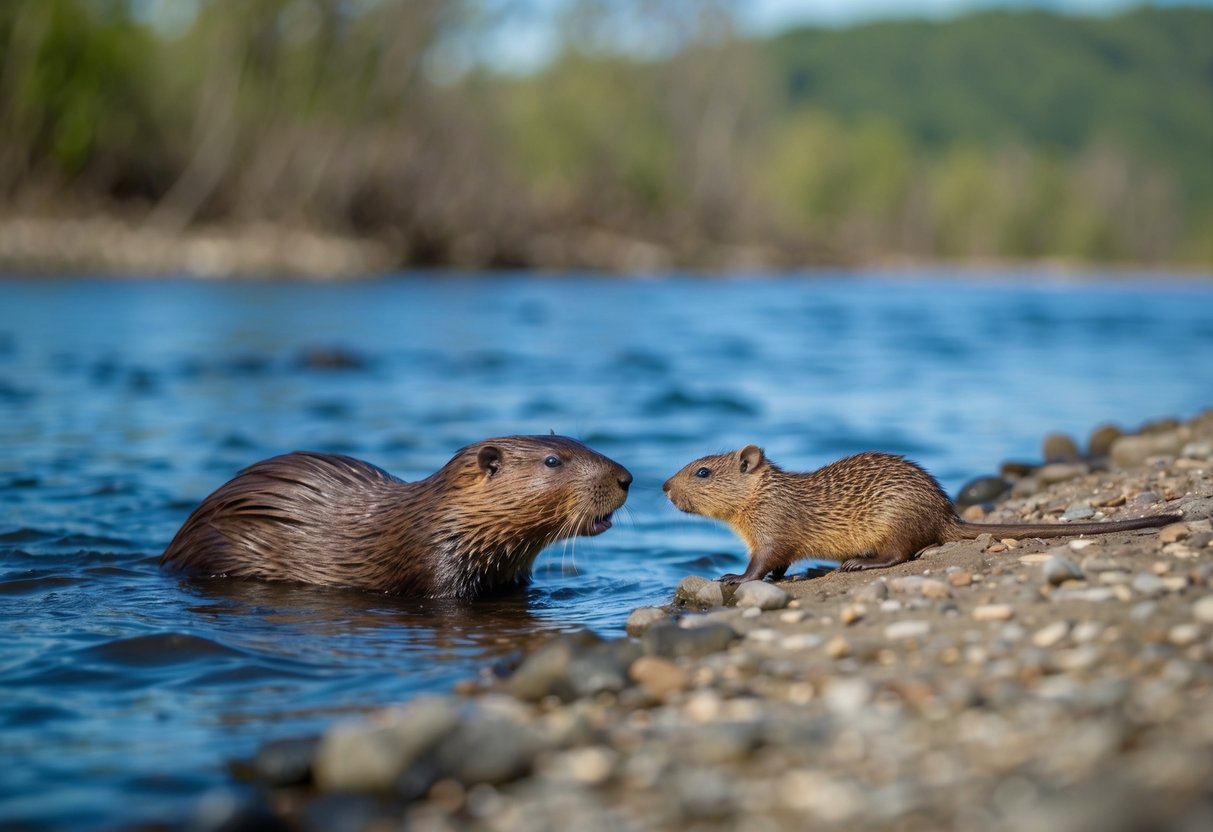
When identifying beavers and their close relatives, it’s important to know their unique features and habitats. This section focuses on the physical traits of beavers and highlights the similarities they share with other aquatic rodents.
Physical Characteristics of Beavers
Beavers are large aquatic rodents known for their distinct physical traits. The North American beaver can grow to 2-3 feet long, including the tail. Adult beavers typically weigh between 30-70 pounds.
Their bodies are robust and covered in dense, waterproof fur that helps them stay warm in cold water. Beavers have large, flat tails that act like rudders when swimming and are useful for warning other beavers of danger.
In contrast, the Eurasian beaver is similar in appearance but can have slight variations in size and coloration. If you spot an animal with a round, slightly haired tail, it’s likely a nutria or coypu, which can be confused with beavers but generally have different body shapes.
Similarities in Habitat and Appearance
Beavers are often found in wetland areas, including marshes, lakes, rivers, and streams. They build dams using trees, branches, and mud to create still water where they can thrive.
Muskrats and woodchucks also share similar habitats but have different appearances. Muskrats are much smaller and have a more elongated body and a laterally compressed tail, while woodchucks are typically terrestrial and not as aquatic.
The aquatic lifestyle of beavers, muskrats, and nutria means they nest near water sources for easy access to food and materials for building. Their similar environments can make it tricky to distinguish between them without a closer look at their physical features.
Species Most Commonly Confused With Beavers
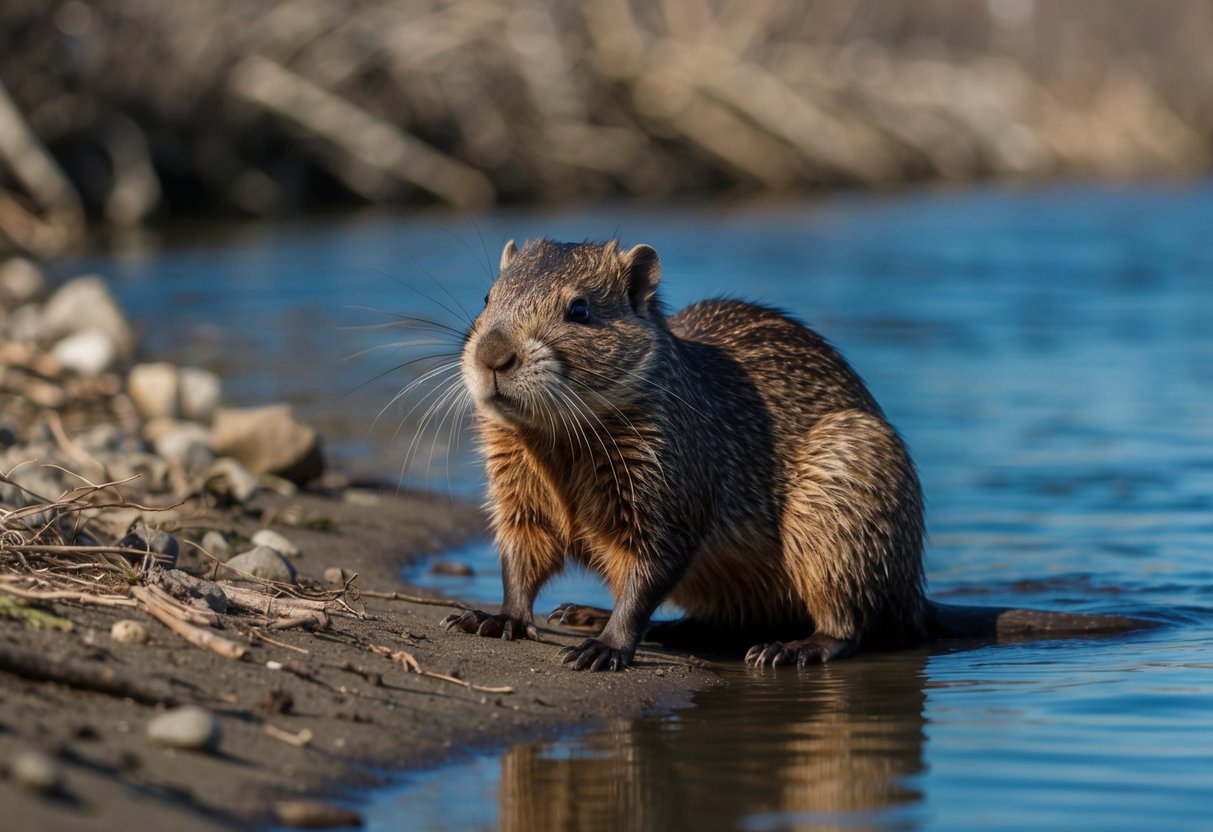
Several animals share characteristics and habitats with beavers, leading to confusion. Here, you will discover the similarities and differences between these species and beavers.
Muskrats: The Smaller Cousins
Muskrats are often mixed up with beavers due to their similar habitats. They live in wetlands and along rivers, making them appear alike. Muskrats are smaller, typically weighing between 2 to 4 pounds. Their bodies are slim, and they have long, narrow tails, unlike the broad, flat tails of beavers.
Muskrats have dense fur that helps them stay warm in cold water. They are also known for their strong front teeth, which they use to chew on plants. While both animals are semi-aquatic, muskrats prefer a diet of aquatic vegetation rather than the wood that beavers love to chew.
Nutrias and Capybaras: Large Aquatic Rodents
Nutrias, also known as coypu, are larger than muskrats but still smaller than beavers. They typically weigh between 15 to 20 pounds and have thick, coarse fur. Nutrias often inhabit marshes and tidal areas, where they can be confused with beavers due to their similar size and habitat.
Capybaras are the largest rodents in the world, weighing up to 150 pounds. They have a more social lifestyle and can often be found in groups. Like beavers, they enjoy swimming but primarily eat grasses. While capybaras may not look as similar to beavers at first glance, their large bodies and semi-aquatic behavior create some overlap in habitat preferences.
Otters: Slender Aquatic Mammals
Otters, including river otters and sea otters, are sometimes mistaken for beavers. River otters are playful and slender, generally weighing between 50 to 100 pounds. Their long, streamlined bodies make them appear quite different from stout beavers.
Otters have webbed feet, making them agile in the water. They tend to be more social than beavers and are known for their playful behavior. Sea otters, while also aquatic, possess thick fur for insulation in ocean waters. Although they share habitats with beavers, otters focus on a diet of fish and invertebrates rather than woody plants.
Behavioral Patterns and Social Characteristics
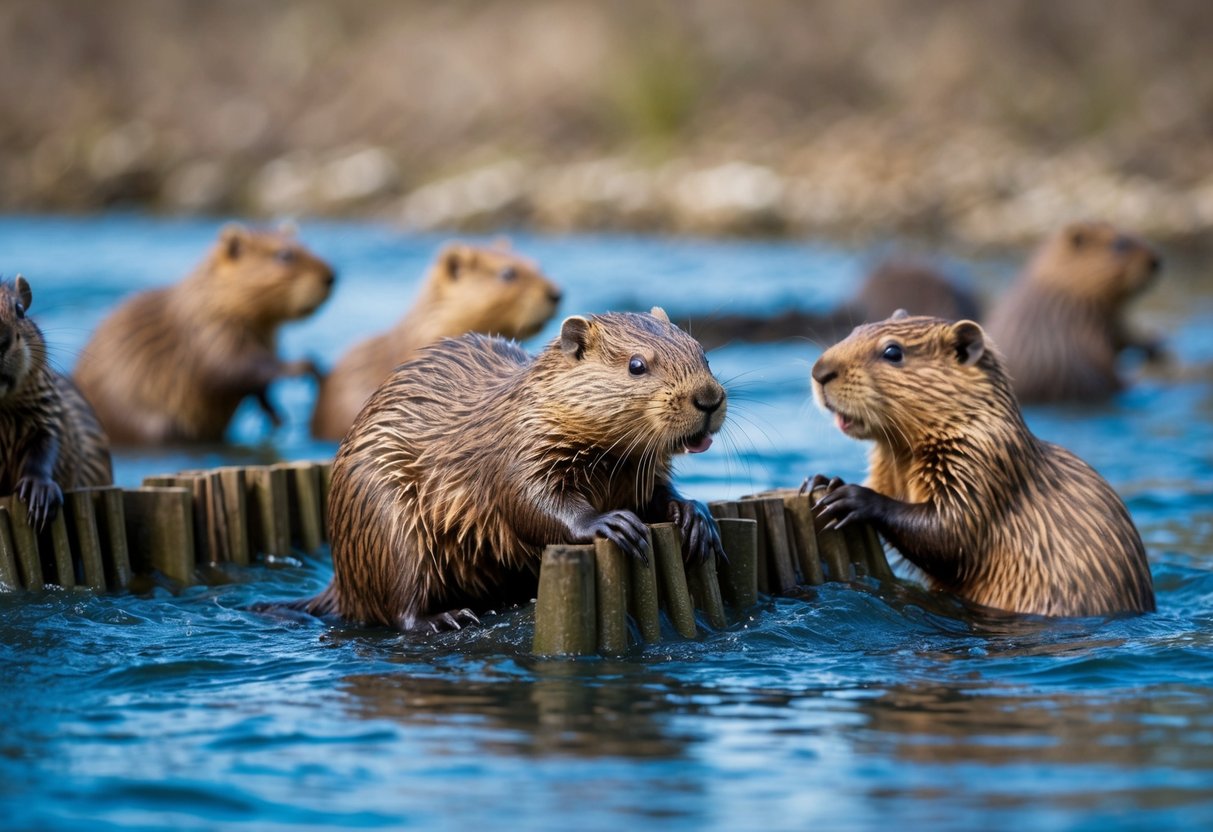
Beavers are fascinating creatures known for their unique behaviors and social structures. Their engineering skills and territorial habits are essential for their survival in freshwater habitats.
The Engineering Skills of Beavers
Beavers are often called nature’s engineers. They build intricate dams made from branches, mud, and stones. These structures create ponds that provide safety and access to food. A beaver’s dam not only helps regulate water levels but also impacts the surrounding ecosystem.
Their burrows are another remarkable feature. Located usually underwater, these homes protect beavers from predators. Beavers are semi-aquatic rodents, which means they thrive in both land and water environments. Their ability to manipulate their surroundings is key to their success.
Territorial Habits and Adaptations
Beavers are generally territorial. They mark their territory using scent from glands located near their tails. This behavior helps prevent conflicts with other beaver families.
These animals are also nocturnal. They are most active during the night, foraging for food such as bark, leaves, and aquatic plants. This nocturnal behavior minimizes encounters with predators while they work on their dams and lodges.
To adapt to changing environments, beavers alter their activities depending on the season. In winter, they rely on cached food and maintain their ponds to ensure access to their nutrients. These traits showcase their resourcefulness in various freshwater habitats.
Ecological Impact and Environmental Importance
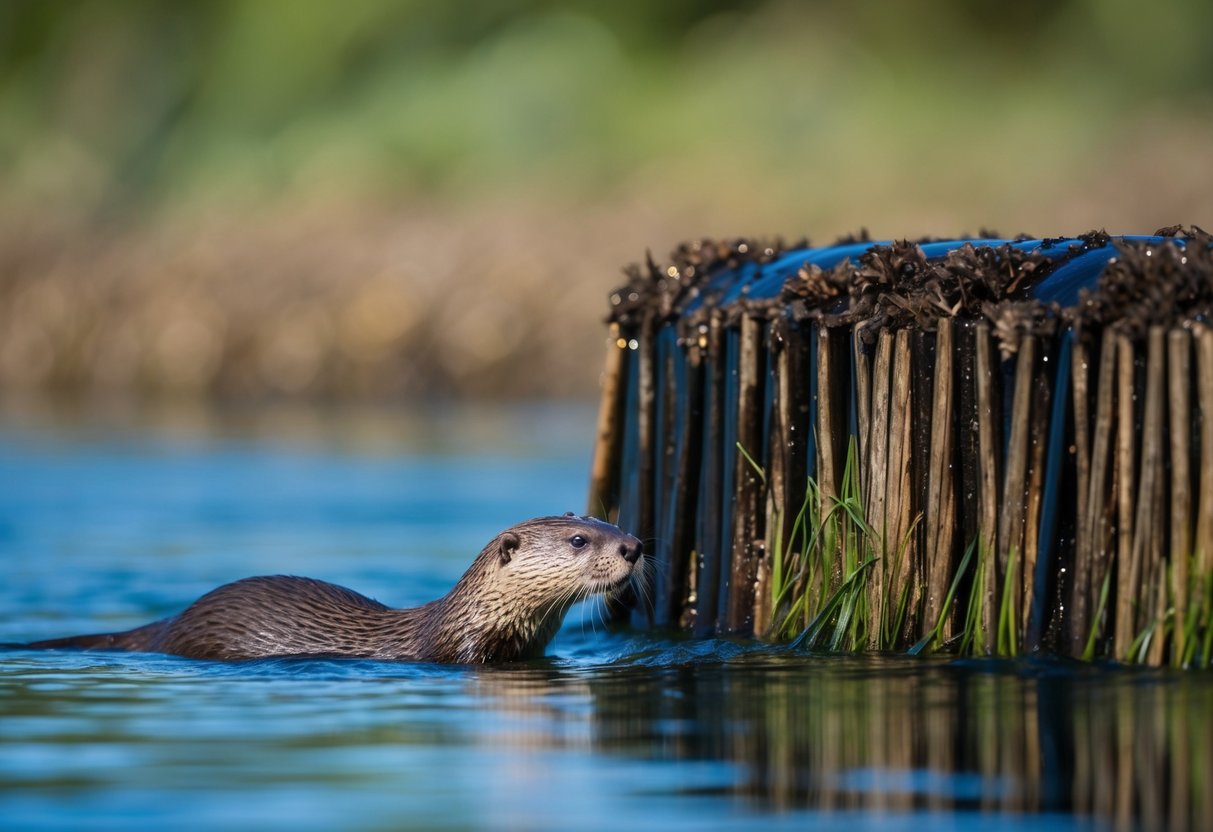
Beavers play a significant role in their ecosystems, acting as natural engineers. Their activities create vital habitats for various wildlife, as well as influencing the water dynamics of their environment.
Beavers as Ecosystem Engineers
Beavers are often called “ecosystem engineers” because they alter their surroundings by building dams. These structures create ponds and wetlands that provide homes for many species.
- Habitat Creation: When beavers build a dam, they flood areas that become rich in plant and animal life.
- Biodiversity Increase: The new ponds support a diverse range of wildlife, including fish, birds, and amphibians. Plants thrive in these watery ecosystems.
- Water Quality: Beavers help improve water quality by trapping sediment and pollutants. This can result in cleaner water for both wildlife and human use.
In some areas, beavers have increased biodiversity by attracting species like the American mink, which preys on smaller animals in these rich habitats.
Interactions with Other Species
Beavers also interact closely with many species in their ecosystem. Their presence can affect food chains and animal behavior.
- Predator-Prey Dynamics: The wetlands created by beavers offer shelter for smaller animals, making them attractive to predators. For example, the American mink hunts these smaller animals within the beaver-formed wetlands.
- Competitors and Neighbors: Other rodents, like the lesser capybara, may coexist in these environments. This competition influences population dynamics and resource use in the area.
Through their activities, beavers enhance their environment and create complex relationships among various species, supporting a balanced ecosystem. Their efforts are essential for maintaining the health and resilience of their habitats.


