
Beavers are often called nature’s engineers. These fascinating rodents play a crucial role in shaping their ecosystems. Here are five interesting facts about beavers that highlight their importance and uniqueness. From their ability to build dams to their remarkable size, beavers have many traits that make them stand out in the animal kingdom.
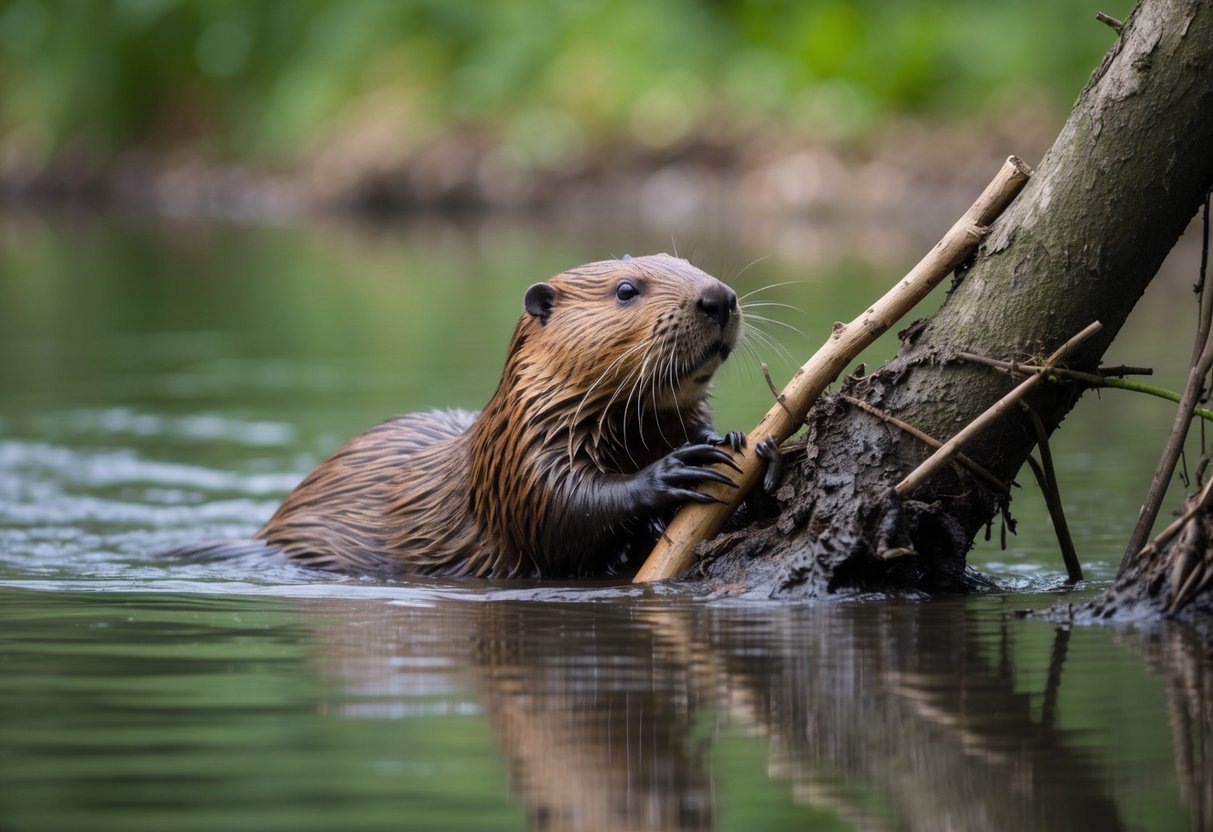
You might be surprised to learn that beavers can grow quite large, reaching lengths of up to 4 feet, including their impressive tails. Their work helps create wetlands that support various species, including birds and fish. This impact on the environment is significant, making beavers vital to maintaining a healthy ecosystem.
As you read on, you’ll discover additional facts about these remarkable creatures, including their habits, diet, and the challenges they face today. Understanding more about beavers can deepen your appreciation for the natural world and the balance it maintains.
Beaver Basics: Species and Habitats

Beavers are fascinating creatures with unique characteristics and specific habitats. Understanding the different species of beavers and where they live can help you appreciate their role in nature.
Species Overview
There are two main species of beavers: the North American beaver and the Eurasian beaver. The North American beaver is the most common in North America and is known for its large size, reaching up to 60 pounds. In contrast, the Eurasian beaver can also be found in parts of Europe and Asia, though it is usually smaller.
Both species share similar traits, such as strong teeth and the ability to build dams. Their teeth are specially adapted to cut through wood and bark. Beavers are essential for their ecosystems, acting as “ecosystem engineers” by creating habitats for other wildlife.
Natural Habitats
Beavers thrive in various freshwater habitats, particularly wetlands, rivers, and ponds. They prefer areas with plentiful trees and shrubs to build their lodges and dams. In North America, beavers often use aspen, willow, and birch trees for construction.
Their dams create calm water areas that are beneficial for many other species. These habitats help improve water quality and reduce floods. The presence of beavers can lead to richer biodiversity by providing homes for fish, amphibians, and birds. You can often find beavers working in these habitats, shaping their environment in impressive ways.
Physical Characteristics and Behaviors
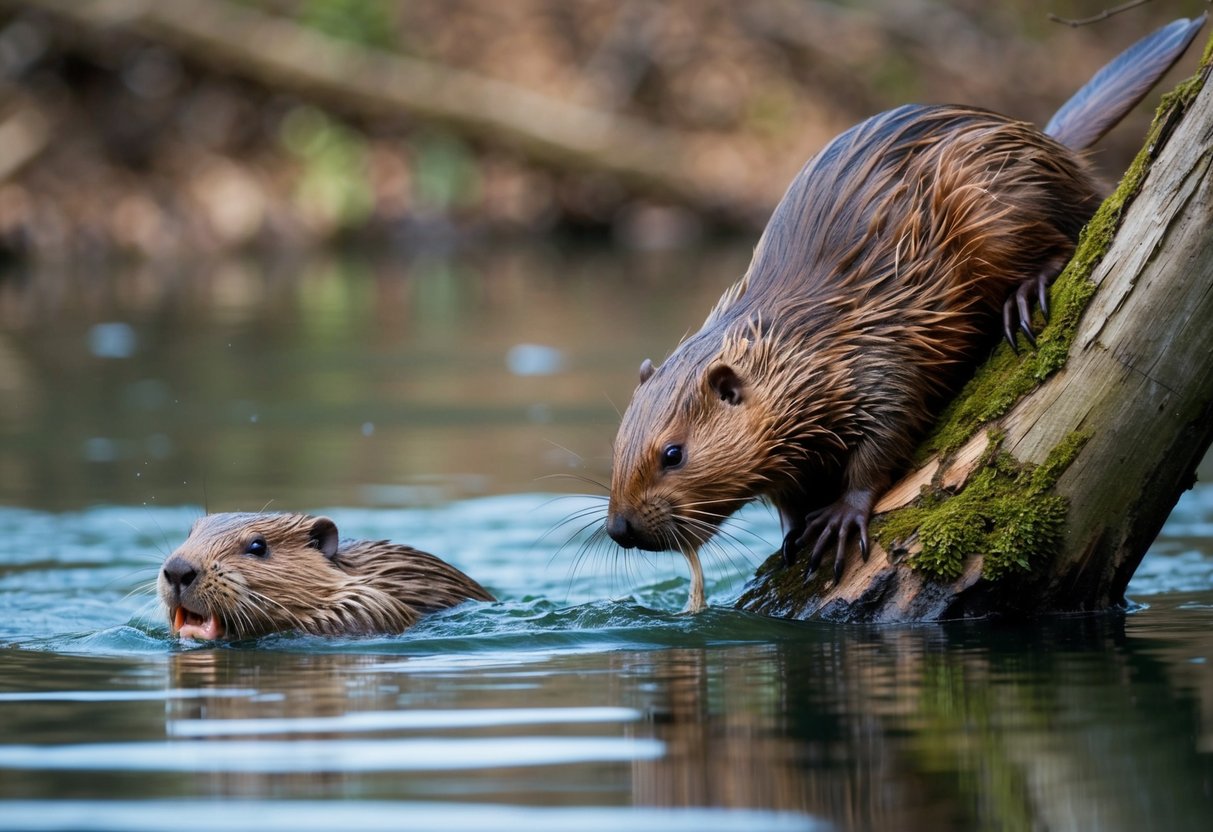
Beavers are fascinating animals with unique features and interesting habits. Their physical traits play a big role in their lifestyle, while their daily behaviors help them thrive in their environments.
Notable Features
Beavers are known for their large size, typically weighing between 30 and 60 pounds. They have distinctive orange teeth that never stop growing, which they need for chewing through tough wood and vegetation. Their bodies are made for life in water, with webbed feet and a flattened tail that helps them swim and steer.
Beavers have transparent eyelids that protect their eyes underwater. This allows them to see clearly when they dive for food. They are excellent swimmers, thanks in part to their powerful legs and the way they can close their ears and nostrils to keep water out.
Daily Behaviors
As primarily nocturnal animals, beavers are most active during the night. They spend their evenings foraging for food, which mostly consists of plants and bark, as they are herbivores. Their habit of chewing on trees helps them maintain their teeth and provides material for building dams and lodges.
Communication is important for beavers. They engage in scent marking to establish territory and signal their presence. They also use various vocalizations, such as whines and growls, to interact with each other. This social behavior helps them stay connected within their family groups and ensures they work together effectively in their environment.
The Role of Beavers in the Ecosystem

Beavers play a vital role in their ecosystems, acting as nature’s engineers. Their activities create significant changes that benefit many other species and improve water quality. Here are two key aspects of how beavers impact the environment.
Ecosystem Engineers
Beavers are known as ecosystem engineers due to their impressive dam-building skills. When they construct dams, they create ponds that alter water flow and establish new habitats.
These beaver ponds increase the area of wetland, which supports various types of plants and animals. The standing water provides a habitat for fish, amphibians, and birds, contributing to the health of many species. Their lodges offer shelter and protection for themselves and other wildlife.
Through these actions, beavers help shape their surroundings, making them essential to maintaining ecological balance.
Impact on Biodiversity and Water Quality
The presence of beaver dams greatly enhances biodiversity. Beaver ponds are among the most productive ecosystems, hosting numerous plant and animal species.
These habitats boost water quality by slowing down water flow and filtering pollutants. Improved water clarity supports healthier fish populations, including species like trout.
By retaining water, beaver dams also help prevent erosion, ensuring healthy soil for plants. This filtering effect promotes cleaner and more abundant water for everyone in the ecosystem. Conservation efforts often focus on protecting beavers to maintain these vital benefits for nature.
Conservation Status and Threats
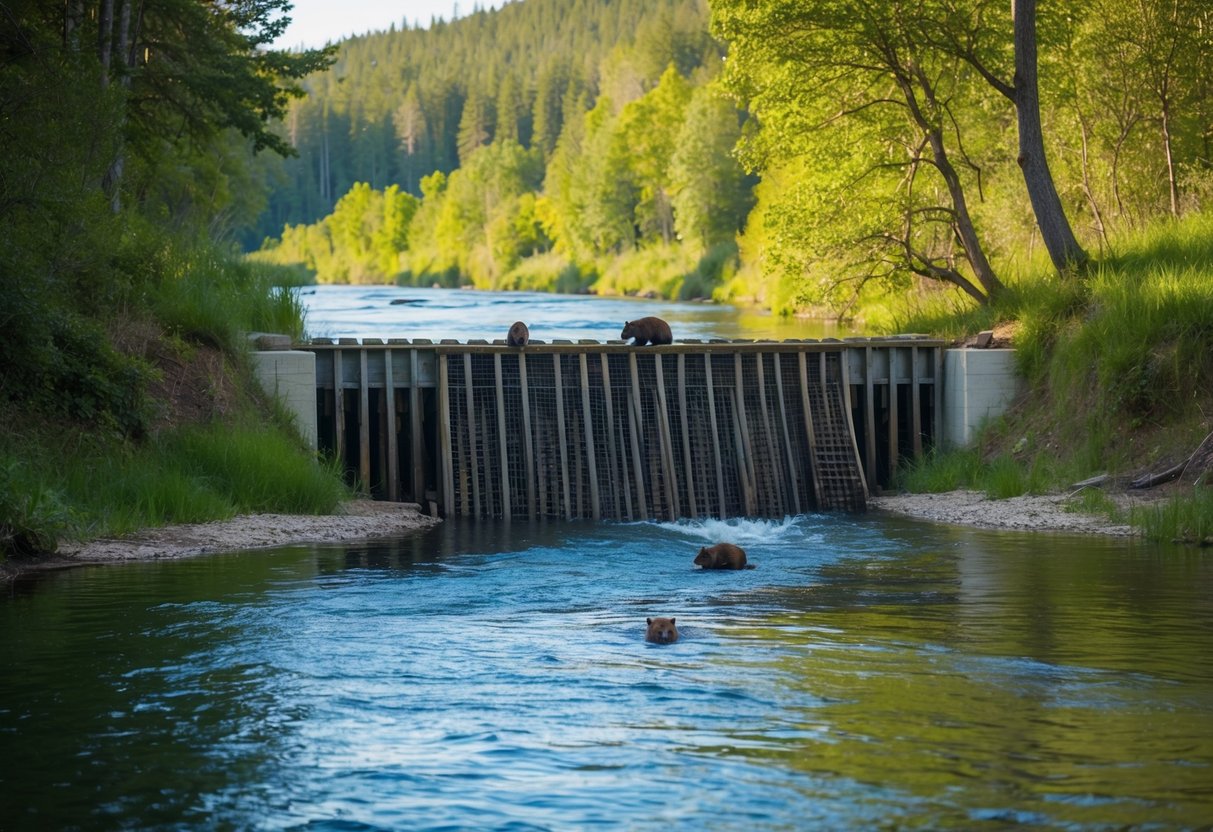
Beavers play an important role in the ecosystem, but they face several challenges. Understanding these can help in their conservation.
Challenges to Survival
One of the main challenges beavers face is habitat loss. As rivers and wetlands are drained for agriculture or urban development, beavers lose their homes. This reduction in habitat makes it difficult for them to find food and build dams.
Another issue is over-hunting. While beaver populations have been stable in some areas, they are still hunted for their fur and meat. This can lead to decreased numbers in certain regions. In recent years, efforts to regulate trapping have been put in place to protect beavers and their habitats.
Human Impact and Protection Efforts
Human activity impacts beavers in various ways. Pollution and climate change also threaten their habitats. Contaminated water sources can harm the health of beavers, making it hard for them to thrive.
Fortunately, conservation efforts are underway. Many states have recognized the need to protect beavers. Some have removed classifications that allow for unlimited trapping. Instead, they promote non-lethal coexistence strategies, which encourage living alongside these animals.
You can help support beaver populations by advocating for habitat protections and supporting local wildlife initiatives. Each small action contributes to the well-being of these important creatures.


