
When you think about beavers, you might picture their busy lifestyle building dams and swimming in rivers. But what happens when a beaver dies? A dead beaver typically sinks to the bottom of the water initially, but it can float up after about 7 to 14 days, depending on the water temperature and other factors. Understanding how and when a dead beaver might surface can be important for hunters and wildlife enthusiasts alike.
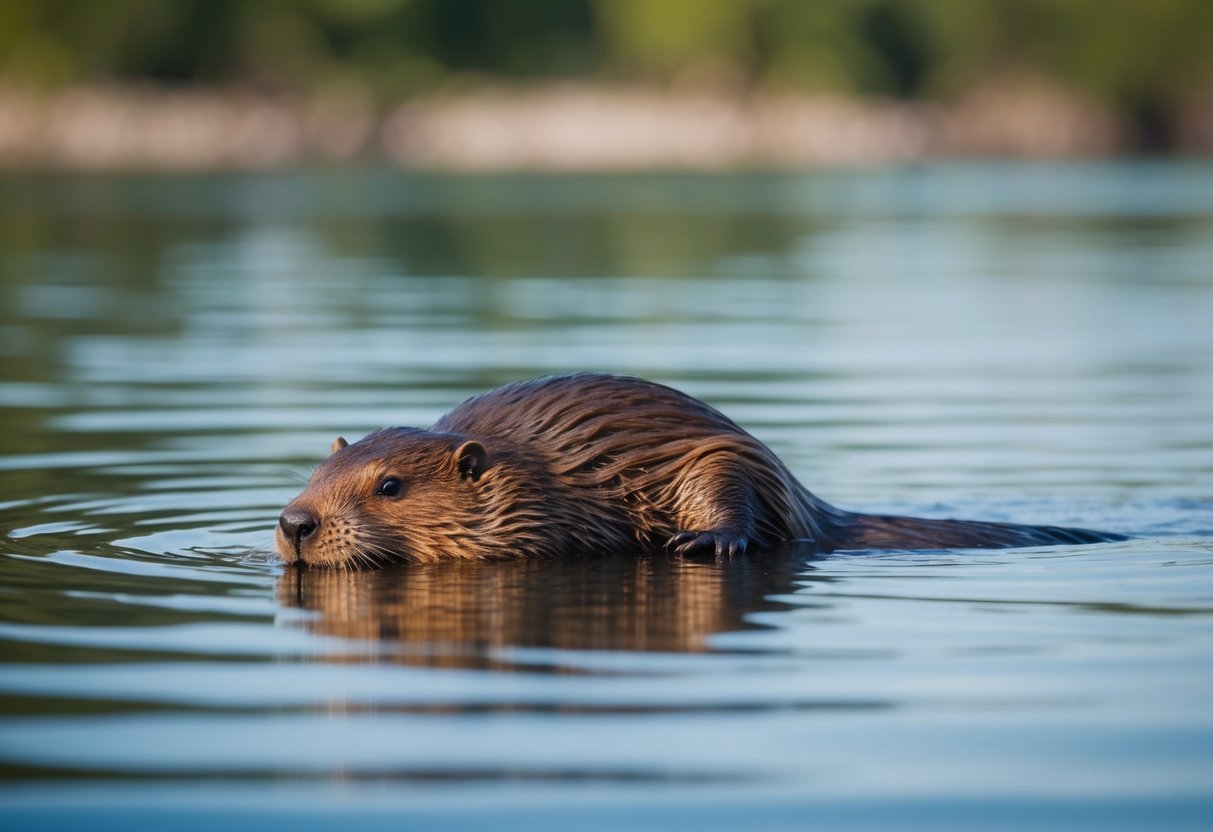
If you’ve ever wondered about the fate of a beaver after it’s no longer swimming, you are not alone. Many people find this topic interesting, especially if they are out in nature or involved in wildlife management. Knowing this can help you better appreciate these creatures and their environment.
Whether you’re curious for educational purposes or have practical reasons for wanting to know, getting the facts about beaver buoyancy can be quite fascinating. Let’s dive into the details and explore what truly happens to a beaver’s body after death.
Understanding Beaver Physiology
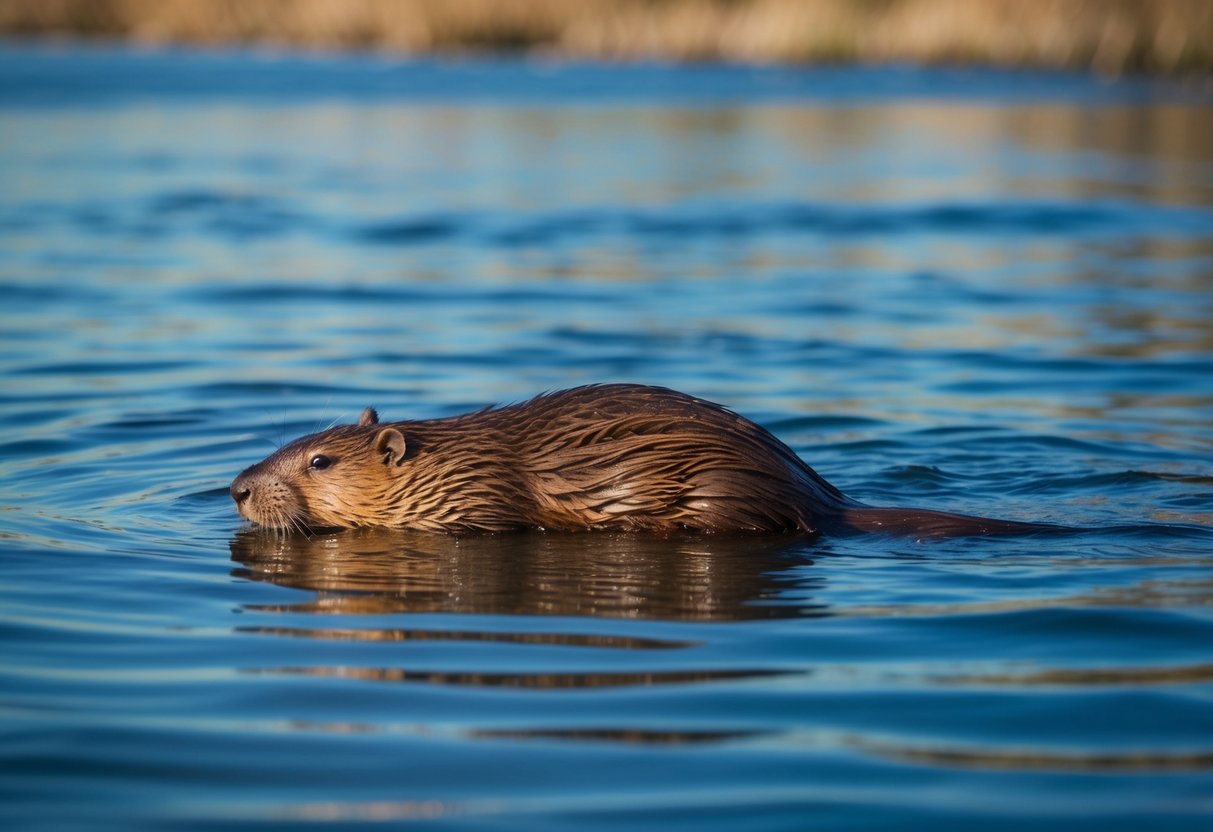
Beavers have unique physiological traits that influence their buoyancy and how they behave after death. This section covers how beavers float and their decomposition process.
Buoyancy and Adaptations
Beavers are built for life in the water. They have a layer of fat beneath their skin, which helps them stay buoyant. Their large, flat tails are not just for swimming; they also assist in steering and balance while in water.
When a beaver is alive, it efficiently manages its body density. When it dies, the situation changes. A dead beaver may initially sink due to its weight and density. However, as gases build up during decomposition, it may become more buoyant and eventually float.
Other features, such as their webbed feet, allow them to maneuver quickly in water, enhancing their swimming ability. You can see why their design is crucial for their survival in aquatic environments.
Decomposition and Floating Characteristics
After a beaver dies, its body goes through a process called decomposition. This typically takes around 7-14 days for most mammals to become buoyant enough to float. Factors like water temperature and the presence of predators affect this timeframe.
When a beaver dies, it may sink at first due to its weight. As bacteria break down the tissues, gases like methane and hydrogen sulfide form inside the body. This process makes the carcass lighter, eventually allowing it to rise to the surface.
Once floating, a beaver can be found washed up on shores or moving with the current. Understanding this process can help you gauge how long it might take a dead beaver to float in your area.
Beaver Habitats and Behaviors
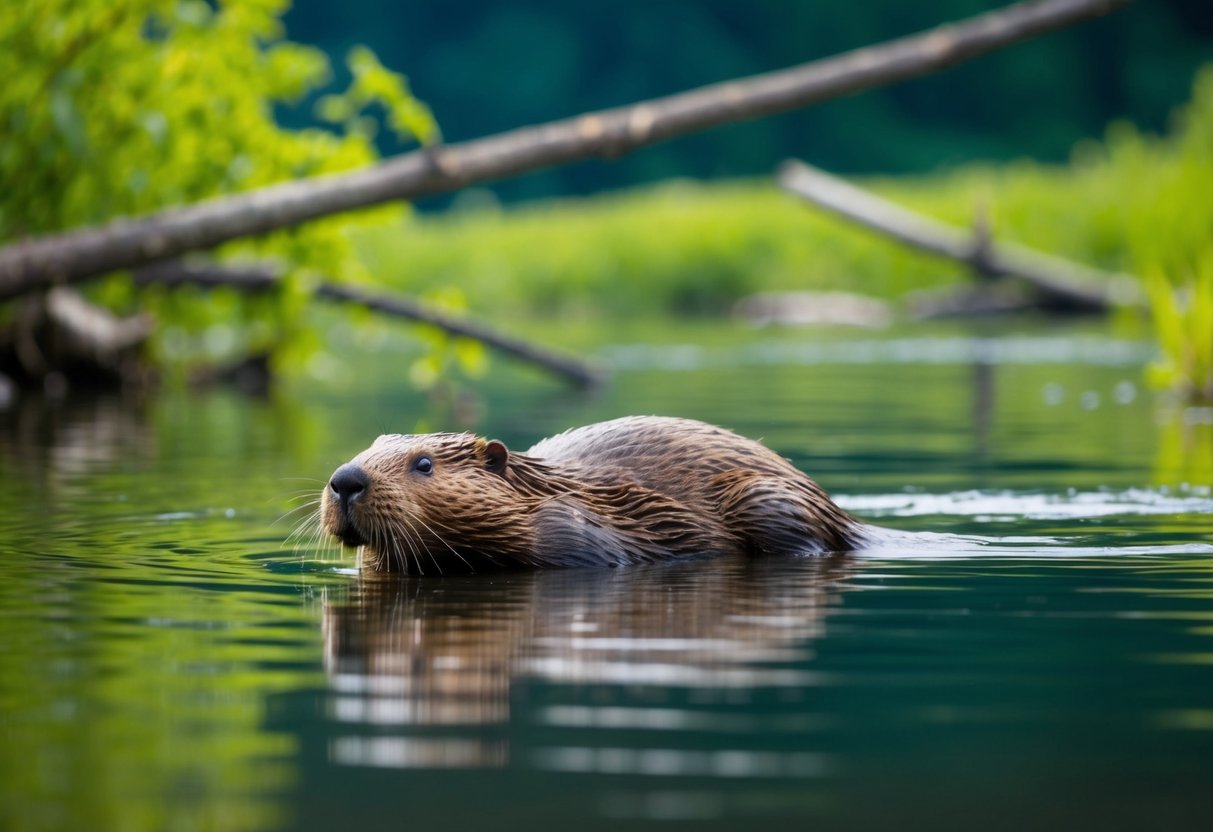
Beavers are remarkable animals that create unique habitats through their behavior. They build dams that affect their environment and help protect themselves from threats in the wild. Understanding these aspects is essential to grasp how beavers live.
Role of the Beaver Dam
Beaver dams play a crucial role in their habitat. When beavers build these structures, they create ponds that serve as protective areas. The water in these ponds provides safety from predators such as coyotes and bears.
Dams also help control water levels and protect against flooding. The still water allows beavers and other animals, like muskrats, to thrive. Additionally, these ponds support various plant and animal life, creating a rich ecosystem.
Building a dam requires teamwork. Beavers work together to gather branches and mud to create a robust structure. This activity shows their strong social bonds and effective communication skills.
Beaver’s Natural Predators and Safety Mechanisms
Despite their adaptations, beavers have several natural predators. These include larger animals like wolves, eagles, and humans. To stay safe, beavers have developed several mechanisms.
Firstly, beavers are primarily nocturnal. They work at night, which helps them avoid predators. When they sense danger, beavers can dive underwater quickly, remaining hidden for a time.
Their thick fur is coated with natural oil, making it water-resistant. This trait helps them stay warm in their cold pond habitats. Beavers also use their strong tails to slap the water as a warning to others of potential threats.
Through these behaviors and adaptations, beavers skillfully navigate their environment while maintaining safety.
Human Impact on Beavers
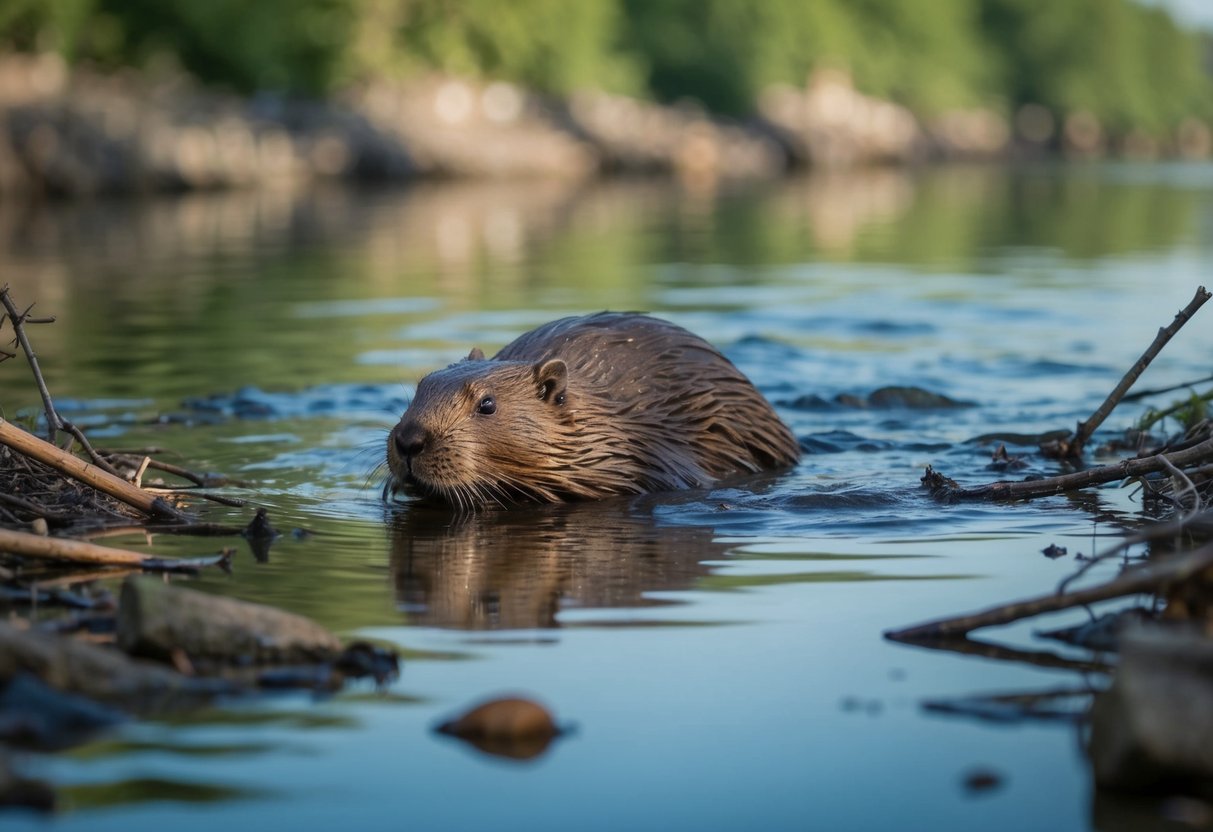
Human activities have a significant effect on beaver populations. Regulations around trapping and hunting influence not only their numbers but also their habitats. Understanding these impacts can help you appreciate the balance between human needs and wildlife conservation.
Trapping and Hunting Regulations
Trapping regulations vary widely by state and are essential for managing beaver populations. Some states classify beavers as pests, allowing unlimited trapping. In recent years, there has been a shift toward more regulated approaches.
For example, Oregon has removed the classification of beavers as a “predatory animal” and introduced a permitting process. This aims to manage beaver populations while encouraging coexistence strategies.
Your awareness of these laws is crucial if you live near beaver habitats. They help prevent over-harvesting and ensure the ecological role of beavers in their ecosystems is maintained.
Ethics and Conservation Efforts
You perceive beaver management differently when you consider ethics. Many people believe in non-lethal methods to deal with beaver-related issues. You can explore options like installing flow devices to manage water levels, instead of trapping or hunting.
Conservation efforts emphasize preserving beaver habitats and promoting coexistence with humans. Many organizations promote public awareness about the ecological benefits beavers provide. They improve water quality and create habitats for other species.
By supporting these efforts, you contribute to a balanced ecosystem. Respect for beaver populations can lead to a healthier environment for both wildlife and humans.


