
Beavers are often seen as cute, furry animals, but they can lead to some unexpected troubles for homeowners and the environment. A growing beaver population can cause significant problems, such as flooding and damage to trees. Their activities create wetlands that benefit other wildlife but can also disrupt your property and local infrastructure.
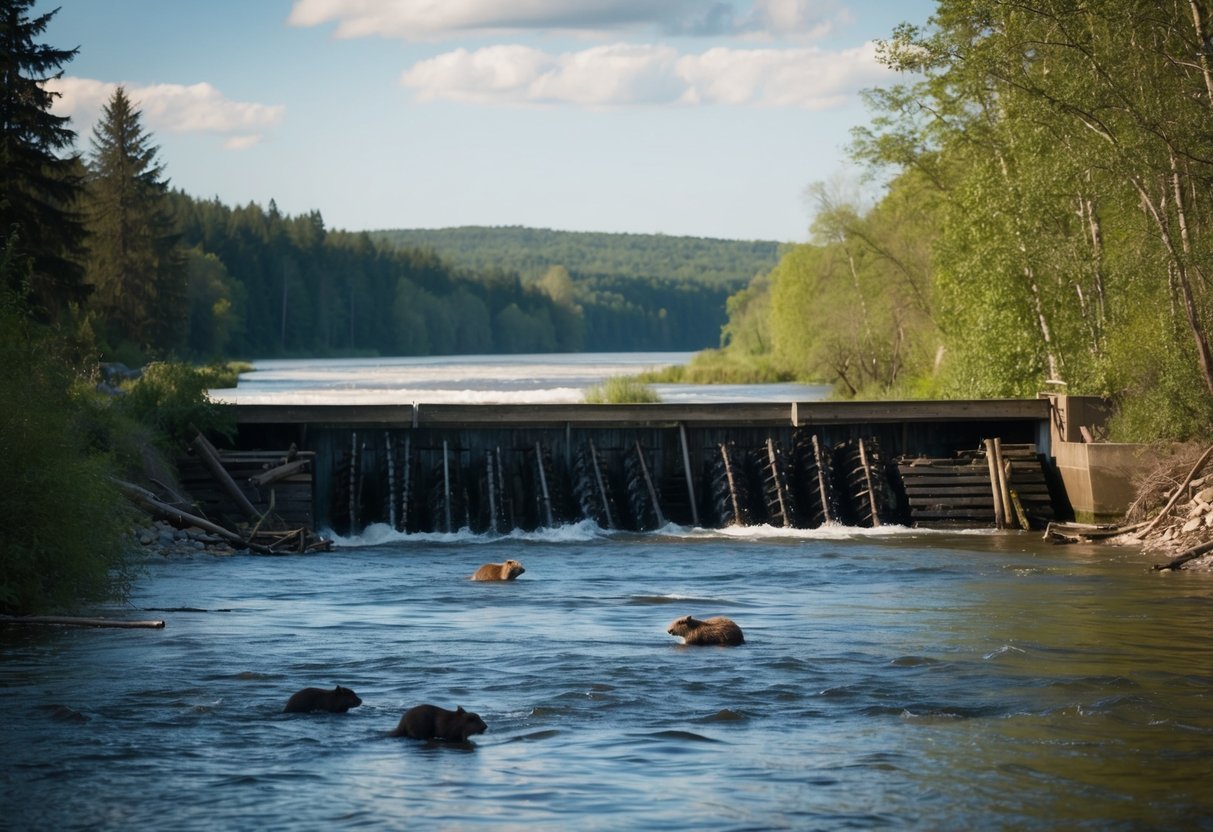
You might notice that beavers like to build dams, which can block water flow and cause flooding in areas not meant to be underwater. This can damage roads, landscapes, and even your home.
Additionally, they chew on trees, which can affect your yard or nearby parks, leading to loss of valuable woodlands.
Understanding the balance between the benefits beavers provide and the problems they create is essential. Knowing how to manage beaver-related issues can help you protect your property while respecting these creatures and their role in nature.
Beavers and Their Ecosystem Impact
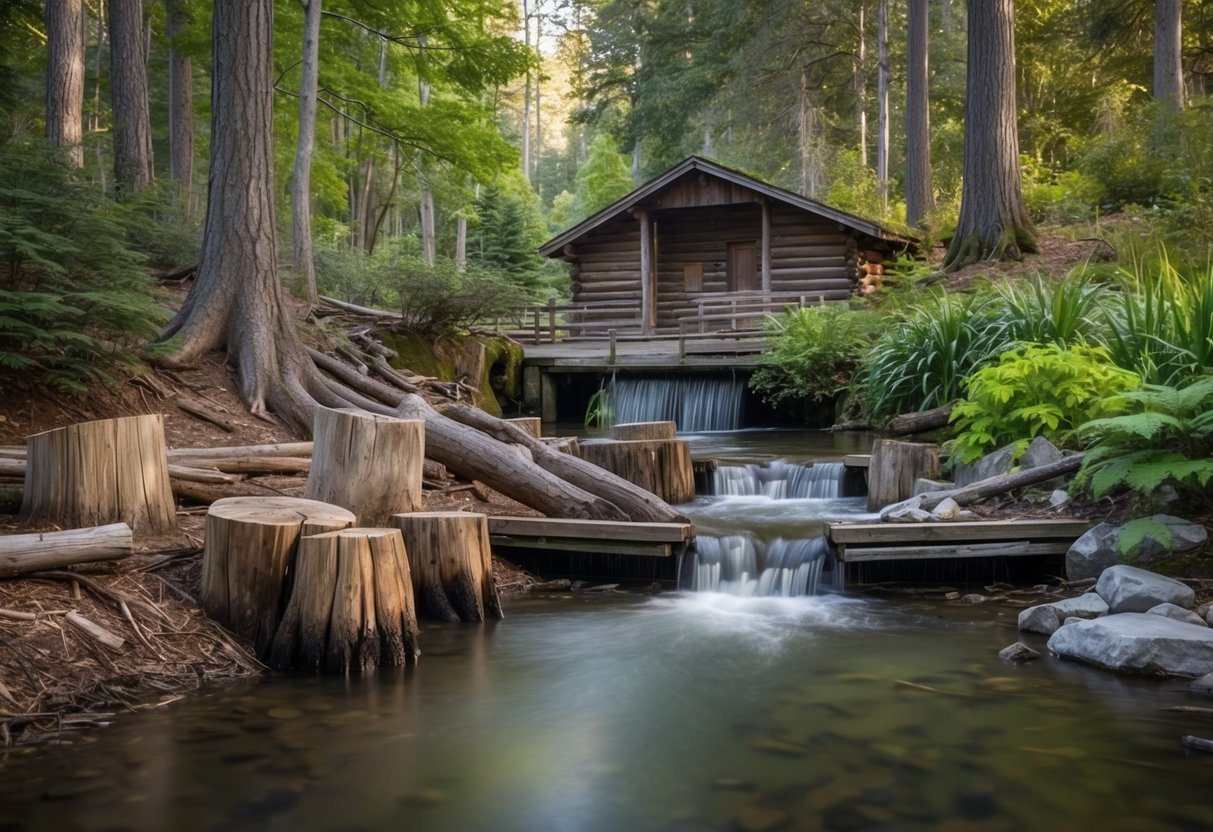
Beavers play a crucial role in shaping their ecosystems. Their activities directly influence habitats, wildlife diversity, and water management, which can greatly affect other species, including fish.
Habitat Importance
Beavers create unique habitats through the construction of their dams. These dams form ponds and wetlands, which serve as vital spaces for many plants and animals. Wetlands are essential for various species, providing a safe place to breed and feed.
You may notice that these areas become home to frogs, birds, and other wildlife. Additionally, wetlands help filter water, improving its quality. The presence of beavers helps maintain these important habitats, ensuring that ecosystems remain healthy and diverse.
Role in Biodiversity
Beavers are considered a keystone species. Their activities increase biodiversity in their environment. When they build dams, they create ponds that attract different types of wildlife and plants.
These changes lead to a variety of species flourishing in the area. For example, migrating fish find new habitats where they can feed and reproduce. As new plants and animals thrive, ecosystems become more resilient. This means that even people can enjoy the benefits of a diverse and balanced environment thanks to the influence of beavers.
Dams and Water Flow
Beaver dams have a significant impact on water management. They slow down water flow, creating deep ponds that help reduce flooding during heavy rains. This is especially important in regions where water levels can rise quickly.
By slowing down water, beaver dams also help to maintain steady moisture levels in nearby habitats. This promotes healthier plant growth and offers a stable environment for animals. Maintaining these water levels is beneficial for aquatic species, including migrating fish, which rely on consistent water conditions for survival.
The Challenges of Beaver Activity

Beaver activities can create unique challenges for property owners and ecosystems alike. Understanding these issues helps you find effective solutions while also appreciating the valuable role beavers play.
Property and Infrastructure
Beavers often cause significant damage to property through their natural behaviors. They are known for dam-building, which can lead to flooding of nearby areas. You might notice that this flooding can inundate roads, culverts, and other structures, causing disruption.
Additionally, beavers typically cut down trees, which can lead to the loss of valuable timber. If you have a garden or landscaping, beavers may damage your plants and fence lines as well. Installing tree guards can protect young trees from being eaten. Be prepared for potential changes to your land due to beaver activity.
Agricultural and Forest Effects
If you live near agricultural areas, beaver activity can have serious consequences. Their flooding can drown crops and create blocked drainage systems, which may lead to excessive water accumulation. This is particularly harmful during planting and harvest seasons.
Forests also feel the impact of beavers. Their cutting of trees may reduce forest cover and biodiversity. Areas where beavers are active can see high counts of tree loss, which affects the whole ecosystem. It’s essential to balance the beaver population with agricultural and forestry needs to maintain a productive landscape.
Management Strategies
To manage the challenges posed by beavers, several strategies can help. You could implement fencing around valuable trees and crops to prevent damage. Installing culverts can also reduce flooding by allowing water to flow freely without obstructing animal movement.
Many property owners find success in using pond-leveling devices. These reduce excess flooding while protecting beaver populations. Regular monitoring and intervention may be necessary to ensure that beaver activities don’t negatively impact your property or agricultural interests. Building a proactive approach fosters a harmonious relationship between beavers and landowners.
Beaver Population Control
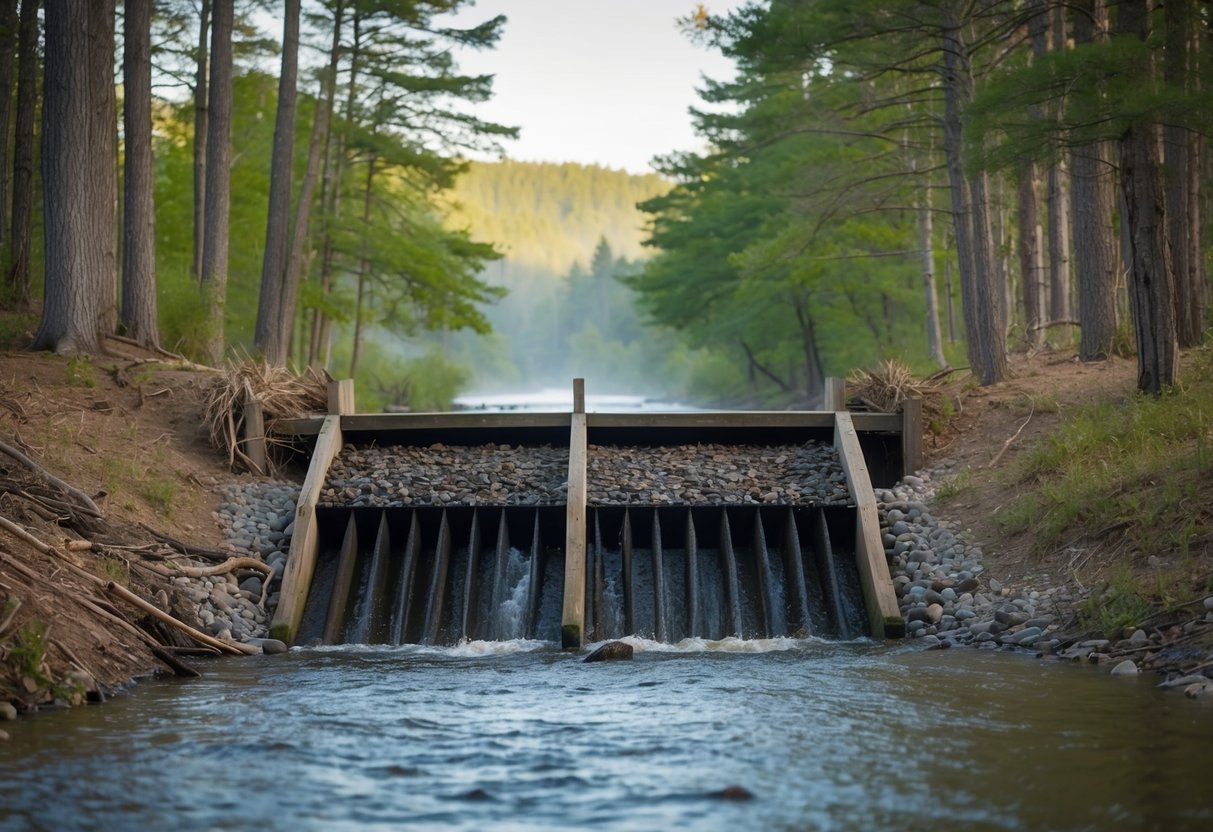
Managing the beaver population can help reduce conflicts between beavers and human activities. There are various methods available, including trapping and relocation, non-lethal techniques, and getting the community involved. Each approach has its own benefits and considerations.
Trapping and Relocation
Trapping is a common method for controlling the beaver population. In areas where beavers cause significant damage, trapping helps to reduce their numbers. Trappers often follow local laws to ensure the process is humane.
Relocation can be part of this method, allowing beavers to live in areas where they won’t cause problems. It’s important to consult local wildlife agencies for guidance on safe trapping, as well as to understand the legal framework. This ensures a more balanced ecosystem while addressing human concerns.
Non-lethal Methods
Non-lethal methods focus on managing beaver behavior without causing harm. These techniques can include the use of flow devices. Flow devices help manage water levels by allowing beavers to maintain their dams without flooding nearby land or infrastructure.
Other methods involve installing fencing around trees and sensitive areas to prevent beavers from accessing them. These solutions work best when used in combination with community awareness programs. They help people understand how to coexist with beavers and promote a more positive relationship between humans and wildlife.
Community Involvement
Community involvement plays a pivotal role in beaver population control. When local residents participate in management efforts, they can help monitor beaver activity and report issues early. This proactive approach often prevents larger problems down the line.
Education is key. Workshops and informational sessions can raise awareness about the importance of beavers in the ecosystem and the various management strategies available. Encouraging citizens to adopt non-lethal methods or to support local wildlife agencies can foster a teamwork mentality focused on coexistence and conservation.
Conservation and Research

In the context of beaver management, understanding their role in ecosystems is crucial. This section covers how beavers help protect wetlands, the focus of future research, and the importance of educational outreach in rural areas.
Protecting Wetlands
Beavers play a vital role in maintaining wetlands. Their dam-building activities create ponds, which serve as habitats for various wildlife. These areas enhance biodiversity and improve water quality by filtering pollutants.
In many regions of North America, beavers help prevent erosion along riverbanks. This is especially important for road maintenance and protecting infrastructure. When beavers are present, the surrounding ecosystem thrives, benefiting both humans and wildlife.
Promoting coexistence with beavers can prevent wildlife damage while supporting crucial habitats. Engaging with local communities to raise awareness about the advantages of wetlands can foster a more positive view of beaver populations.
Future Focus Areas
Research should target the long-term effects of beaver activities on local ecosystems. Studies can explore how beaver ponds influence water availability and affect plant life.
Investigating beaver management practices in various rural areas can help determine effective coexistence strategies. Using non-lethal methods to address any conflicts with agriculture is essential for sustainable management.
Attention should also focus on the biology of beavers to better understand their behaviors. This knowledge can guide policies that balance wildlife conservation and human needs, making sure both can thrive together.
Educational Outreach
Educational outreach is crucial for informing the public about beaver conservation. You can play a part by participating in local programs that educate community members on beaver habitats and their benefits.
Offering workshops about wildlife ecology can help rural areas understand beavers’ positive contributions to the environment. Distributing clear information about beaver management and coexistence can reduce tensions between them and landowners.
Promoting this understanding in schools can also nurture respect for wildlife from a young age. Your involvement can make a difference in fostering a supportive atmosphere for both humans and beavers.


