
When you’re out in the wild with your dog, you might wonder about the local wildlife. One creature that often comes to mind is the beaver. These animals are generally known for their peaceful nature, but can they pose a threat to your furry friend? In certain situations, a beaver may feel threatened by a dog and could potentially attack if it perceives danger.

Understanding how to safely navigate encounters with beavers is important for every pet owner. Beavers are usually more focused on their environment than on nearby dogs, but if they have young kits nearby or if they feel cornered, their behavior can change.
It’s vital to keep an eye on your dog and ensure it does not approach a beaver too closely, especially if you notice signs of agitation.
Taking precautions can help prevent any negative interactions. Keeping your dog on a leash while exploring areas known for beaver activity and training them to respond to commands can keep both your pet and the wildlife safe.
By being aware of your surroundings, you can enjoy your adventures without worrying about your dog’s safety around these fascinating animals.
Understanding Beaver Behavior
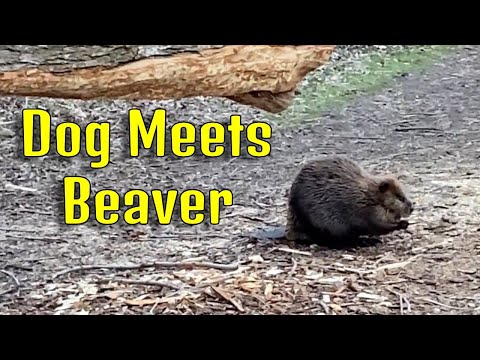
Beavers are fascinating animals with unique habits and characteristics. Understanding their behavior can help you and your dog stay safe during encounters in the wild.
Natural Habitat and Activities
Beavers thrive in a variety of aquatic habitats, such as rivers, ponds, and lakes. They build lodges and dams using branches, mud, and other natural materials. These structures serve as homes and help create wetlands, which are vital for local biodiversity.
Beavers are primarily nocturnal, meaning they are most active at night. During this time, they forage for food, which mainly consists of leaves, bark, and aquatic plants. They often travel through their territory, marking it with scent and monitoring for any intruders.
Being social animals, beavers typically live in family groups called colonies. This cooperative structure helps them defend their territory and work together in activities like dam building and food gathering.
Signs of Aggression in Beavers
While beavers are generally shy, they can show aggression if they feel threatened. Signs that a beaver might attack include hissing, growling, or making loud blowing sounds. They may also slap their tails on the water as a warning signal.
A beaver may display aggressive behavior if a dog approaches too closely or tries to investigate. This reaction is often a defensive measure. If a beaver feels cornered, it might charge or bite to protect itself.
Keeping a safe distance from beavers is essential for your dog’s safety. Observing their behavior from afar allows you to enjoy their presence without putting your pet at risk.
Safety Measures for Dogs near Beaver Habitats

When enjoying nature with your dog, it’s important to stay safe, especially near beaver habitats. Being prepared can help prevent unwanted encounters and ensure your pet’s safety.
Preventive Actions for Pet Owners
To keep your dog safe, monitor them closely when near ponds or areas known for beaver activity. Here are some key actions to consider:
- Stay Leashed: Keep your dog on a leash to control their movements. This way, you can prevent them from wandering into beaver territory.
- Supervise Swimming: If your dog likes swimming, supervise them closely. Beavers may be alarmed by your dog splashing in the water.
- Build a Fence: If you live near beaver habitats, consider building a fence around your yard. This can keep your dog safe and discourage beavers from entering your property.
- Use Repellents: Look for dog-safe repellent sprays to apply around your yard. They can help deter beavers and keep your pets safe.
By taking these steps, you can decrease the chance of an encounter with a beaver.
What to Do During an Encounter
If your dog encounters a beaver, stay calm. Here are some steps to follow:
- Retract and Redirect: Immediately call your dog back to you. Use a firm, calm voice to redirect them away from the beaver.
- Give Space: If a beaver feels threatened, it may attack. Keep your distance and do not provoke the animal.
- Assess the Situation: Look for signs of aggression from the beaver, such as tail slapping or loud vocalizations. If the beaver seems aggressive, move away slowly.
- Report Dangerous Encounters: If a beaver attacks your dog or you notice signs of injury, contact local wildlife authorities. They can help manage the beaver population safely.
Health Risks and First Aid for Dogs

Beavers can pose some health risks to your dog, especially if they come into direct contact. It’s important to know about common injuries that can happen and also any diseases that may be transmitted from beavers to your pet.
Common Injuries from Wildlife
If your dog approaches a beaver, it might get hurt. Beavers have sharp teeth and can deliver a painful bite. A beaver bite can lead to serious injuries such as deep puncture wounds. These wounds can get infected if not treated quickly.
If your dog is injured, check for swelling, redness, or bleeding. Clean the wound with antiseptic and apply a bandage if necessary. It’s best to take your dog to a vet for further evaluation. They can assess the injury and provide the right treatment, which may include antibiotics.
Diseases Transmittable by Beavers
Beavers can carry various diseases that might affect your dog. One of the most concerning is giardiasis, which is caused by a parasite found in contaminated water. Dogs can get sick if they drink from a river or lake where beavers live.
Another disease to watch out for is rabies. While it’s rare, an adult beaver can be rabid. If you suspect your dog has been bitten by a beaver, contact a wildlife expert immediately. Rabies is fatal without treatment.
Make sure your dog is up to date on vaccinations to minimize health risks. Always monitor your pet closely, especially around areas with wildlife activity like a beaver lodge.
Managing Beaver Populations
Managing beaver populations is important for protecting your property and ensuring a safe environment for pets. With the right methods, you can address any potential issues with beavers without harming them.
Humane Control Methods
When dealing with beavers, it’s best to use humane control methods. One effective way is to dismantle beaver dams in a controlled manner. This can help reduce flooding in your area.
You may want to consider building fencing around vulnerable plants or areas where beavers tend to dig.
Another method is trapping. This involves setting traps that catch beavers without harming them. Be sure to check local regulations, as trapping may need a permit.
If beavers are causing property damage, a wildlife biologist can help assess the situation and recommend proper techniques.
Additionally, using devices like flow control systems can manage water levels without harming beaver populations. These methods not only assist in proper habitat management but can also protect important ecosystems such as salmon habitats.
When to Seek Professional Help
You should reach out for professional help if the beaver population is causing significant property damage or habitat loss. Signs include persistent flooding or damage to trees and landscaping.
If you notice your yard constantly underwater, it might be time to call a professional.
A wildlife control expert can assess the situation and create a tailored plan to manage beavers humanely. They can also help you understand the best methods to prevent future issues.
In some cases, state wildlife agencies can assist in managing trapping seasons and providing resources for property owners. Being proactive can save you from larger expenses and ensure a balance between nature and your property.


