
If you ever find yourself wondering whether you should touch a beaver, it’s important to consider a few key facts. Beavers are generally shy and prefer to avoid human interaction. You should not touch a beaver, as they can become aggressive if threatened or cornered. They might react defensively if they feel in danger, especially when protecting their young.
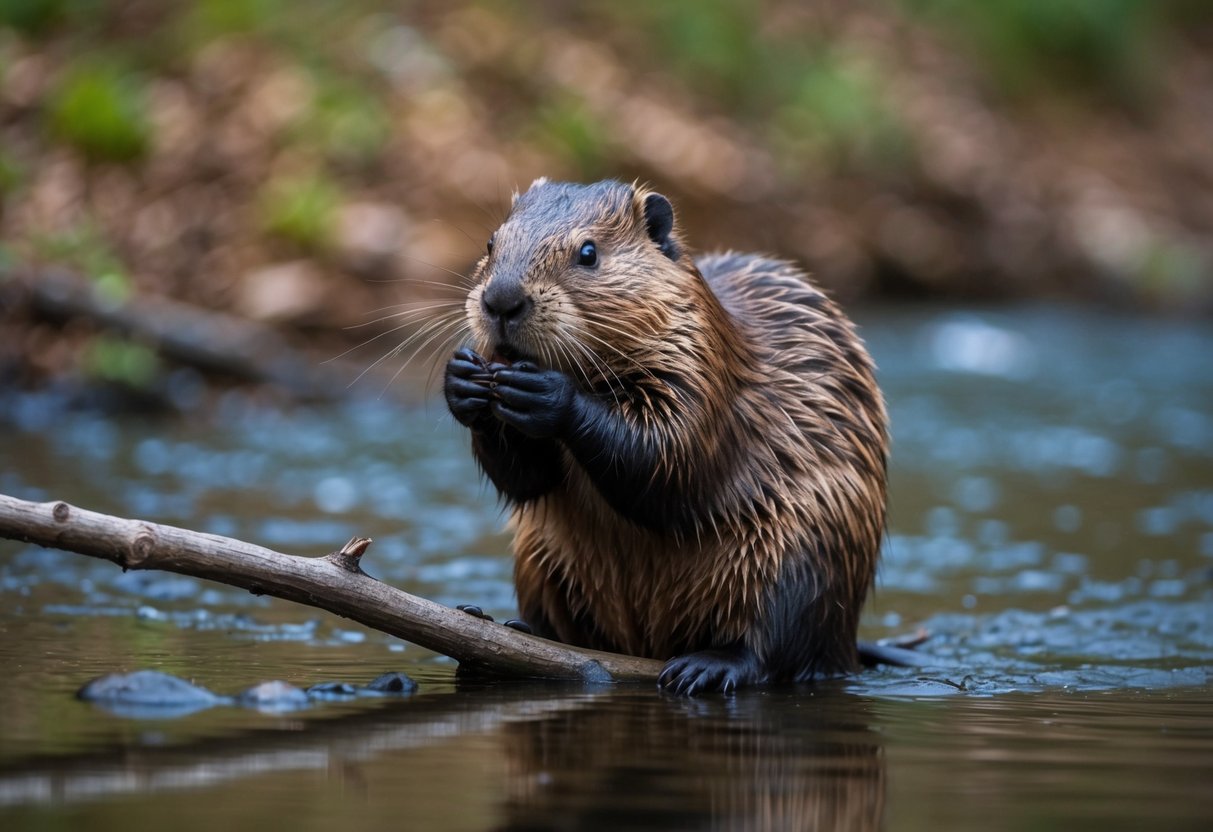
While beavers are fascinating creatures known for their incredible dam-building skills, it’s best to observe these animals from a distance. Approaching a beaver can lead to stressful situations for both you and the animal.
Remember, their sharp teeth can cause serious injuries, so it’s wiser to admire them without getting too close.
In this article, you’ll learn more about beaver behavior, why they might feel threatened, and the best practices for safely enjoying their presence in the wild. Understanding these aspects can enhance your experience in nature while keeping both you and the beaver safe.
Understanding Beavers and Their Behavior

Beavers are unique animals that play a crucial role in their ecosystems. Understanding their habits and behaviors can help you appreciate these wild animals and know how to interact with them safely.
Beaver Habits and Natural Habitat
Beavers are primarily crepuscular, meaning they are most active during dawn and dusk. They are known for building dams and lodges in rivers and streams. These structures create ponds that provide them with a safe environment, keeping them away from predators.
Their diets consist mainly of bark, leaves, and aquatic plants. Beavers can significantly alter their habitats, which helps other wildlife by creating wetlands. These wetlands support diverse species, making beavers an important part of the ecosystem.
Common Misconceptions About Beavers
Many people think beavers are aggressive due to their strong teeth and large size. In reality, they’re generally shy and prefer to avoid contact with humans. While they can defend themselves if threatened, they are not naturally aggressive creatures.
Another misconception is that beavers are dangerous to approach. While it’s wise to keep your distance, beavers can appear friendly in certain situations. But remember, they are still wild animals and should be treated with respect. Understanding these truths can help you enjoy watching them without fear.
The Importance of Safety Around Wild Animals
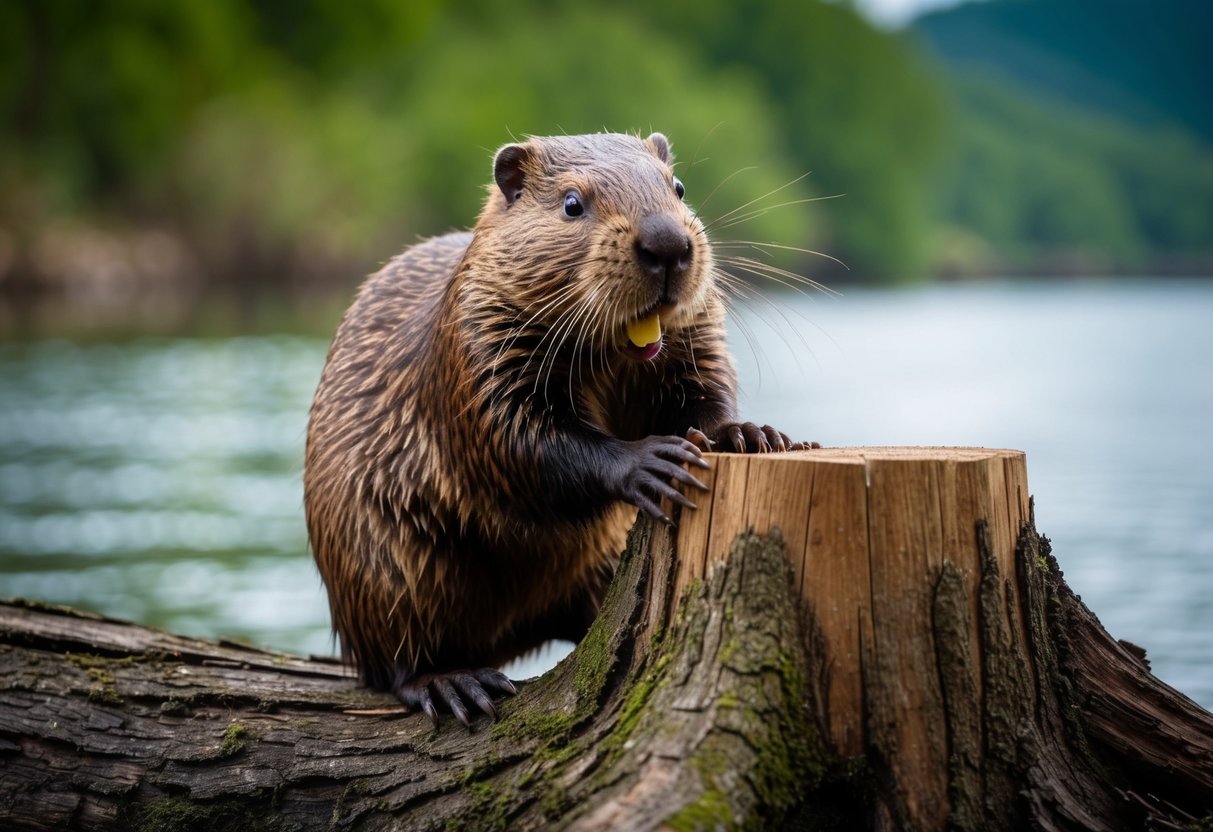
Staying safe around wild animals is crucial to your well-being. You should know how to recognize potentially dangerous behaviors and adopt preventive measures to avoid conflicts.
Recognizing Dangerous Wildlife Behavior
Understanding animal behavior helps you identify when a wild animal might become aggressive. For instance, a beaver may act defensively if it feels threatened. Signs of aggression can include:
- Staring: If a beaver is staring at you, it might see you as a threat.
- Hissing or Growling: These sounds indicate that the animal is on high alert.
- Tail Slapping: Beavers often slap their tails on the water surface as a warning.
Always keep a safe distance. Wild animals, including rabid beavers, can behave unpredictably. When you encounter a beaver, respect its space and back away slowly if it shows signs of aggression.
Preventive Measures to Avoid Wildlife Conflicts
To minimize risks when enjoying nature, follow these tips:
- Stay Aware: Always be mindful of your surroundings, especially near water bodies where beavers are found.
- Do Not Corner Animals: If you see a beaver, do not get too close. Cornering can lead to aggressive behavior.
- Secure Food and Trash: Wild animals are attracted to food. Keep your items secured to avoid drawing them near.
If you suspect an animal may be rabid, such as one displaying strange behavior, do not approach. Make sure to inform wildlife authorities to handle the situation. By taking these steps, you can enjoy nature safely while respecting the wildlife around you.
Beavers as Ecosystem Engineers
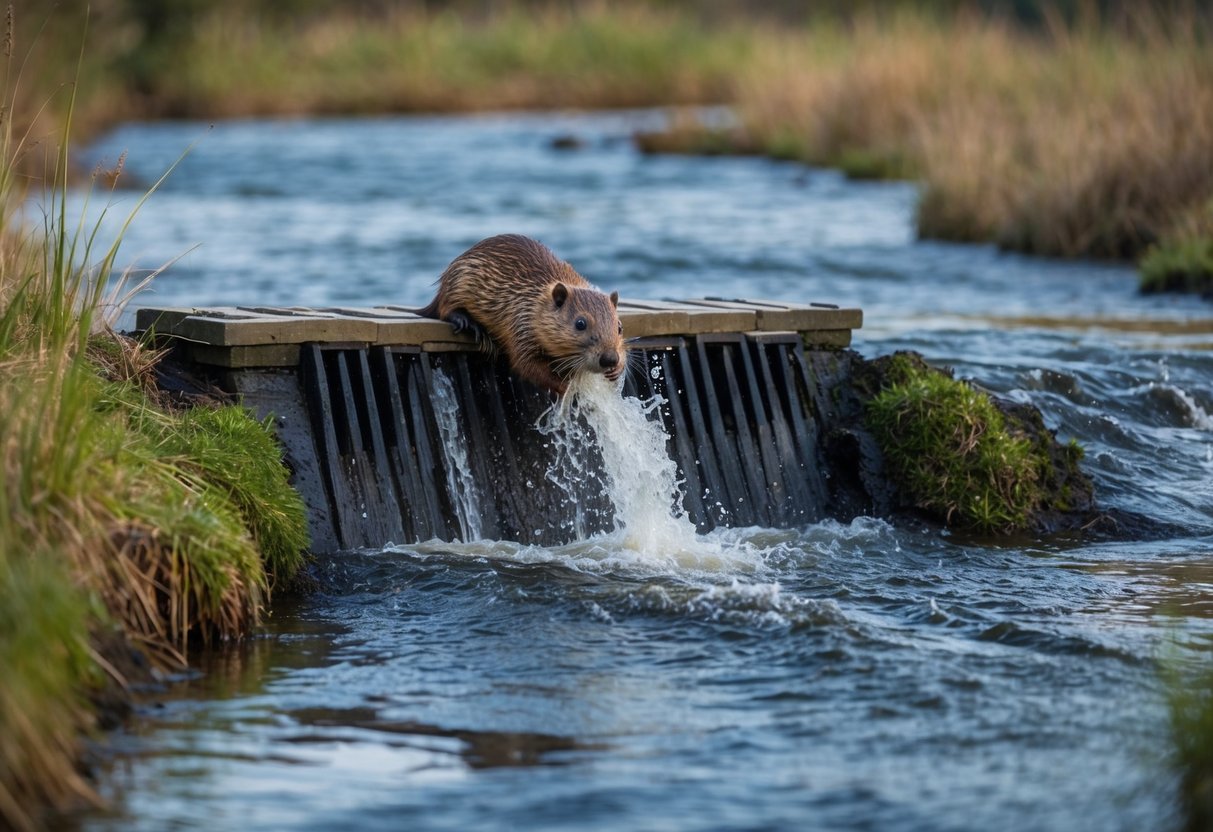
Beavers play a vital role in shaping their habitats. Their activities significantly influence local ecosystems, creating benefits for various species, including fish like salmon. Understanding how beavers function as ecosystem engineers helps highlight their importance in nature.
Beavers and Their Role in Ecosystem Building
Beavers are often called ecosystem engineers because of what they do. By building dams, they create ponds that provide new habitats for many animals and plants. These ponds help maintain water levels and create a more diverse ecosystem.
In areas with beaver activity, you may notice an increase in biodiversity. This means more species, including birds, amphibians, and aquatic plants, thrive. Beavers change the landscape, making it a better home for wildlife.
Impact of Beaver Dams on Local Environments
Beaver dams are transformative. When a beaver constructs a dam, it slows down water flow, creating a pond. This pond can improve water quality by trapping sediment and filtering pollutants.
Additionally, these wetlands attract fish, like salmon, which benefit from slower waters where they can lay eggs safely. The damp environment also supports various plant species that flourish near water.
Beaver ponds help recharge groundwater, making water more available during dry periods. You might find that areas with active beaver populations have healthier ecosystems overall.
Human-Beaver Interactions and Management
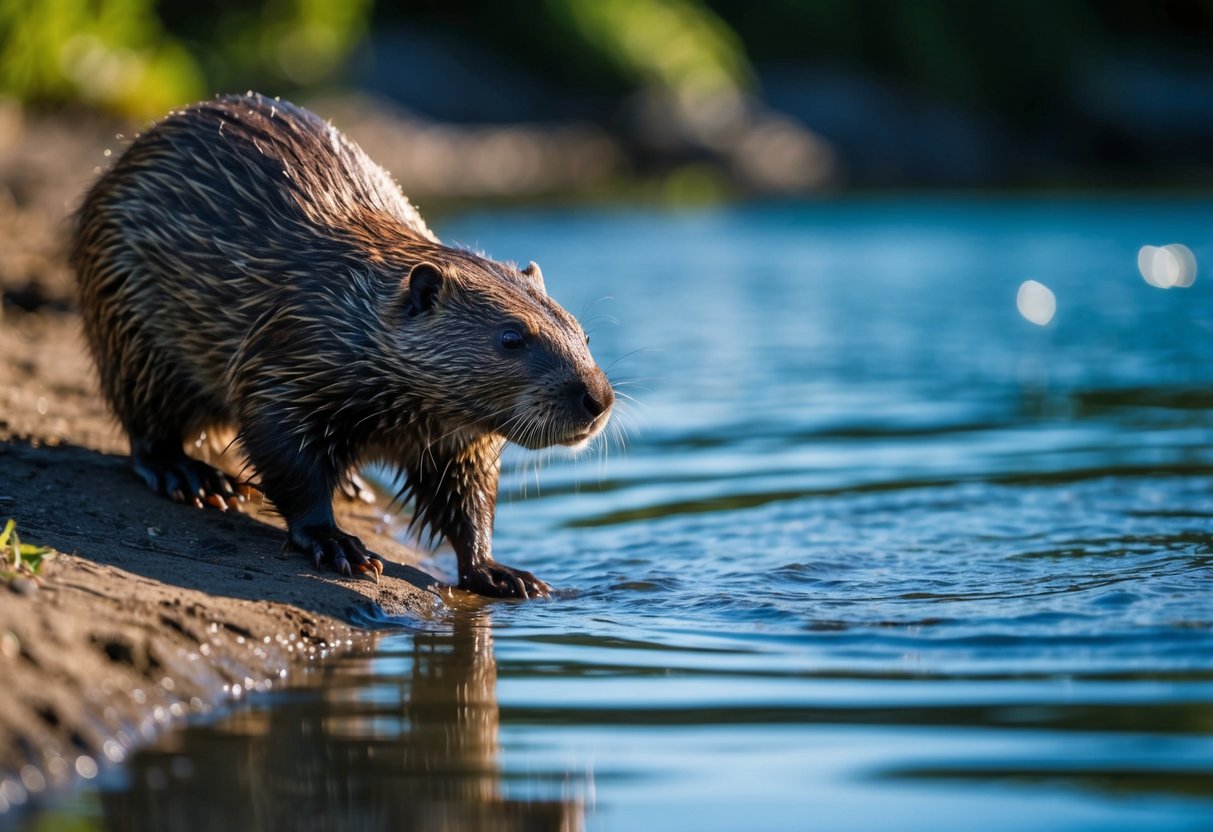
Managing human-beaver interactions is important for preventing damage and ensuring safety. Beavers are fascinating creatures but can create challenges when their activities impact roads, landscaping, and waterways. Effective strategies can help you balance coexistence with these animals.
Effective Wildlife Control Strategies
To manage beaver activity, consider a range of wildlife control strategies. Fencing around trees and plants can protect them from beaver damage. Installing flow devices allows water levels to be controlled, limiting flooding caused by dams.
Regular monitoring of your property can help you identify signs of beaver activity early. If you see evidence of their presence, such as gnawed trees or dams, you can take action right away. This proactive approach minimizes problems before they escalate.
Always remember to check local regulations before taking any action. You want to ensure that you’re acting in accordance with laws related to wildlife control.
Ethical Trapping and Relocation of Beavers
If beavers are causing significant damage, you may need to trap them ethically. Use secure traps that minimize stress and injury to the animal. Always check traps regularly to prevent suffering.
Relocating beavers is another option, but you need to do it responsibly. You must transport them far enough away to prevent them from returning. Additionally, releasing them in an area where they can thrive is key.
Keep in mind that beavers may carry diseases, like beaver fever. It’s important to take precautions when handling them or their habitats. Wear gloves and wash your hands afterwards to stay safe.


