
Beavers often spark debate among homeowners and nature lovers alike. You might wonder, beavers can be both beneficial and problematic, depending on their location and activities. While they are known for causing property damage, they also play a vital role in maintaining healthy ecosystems.
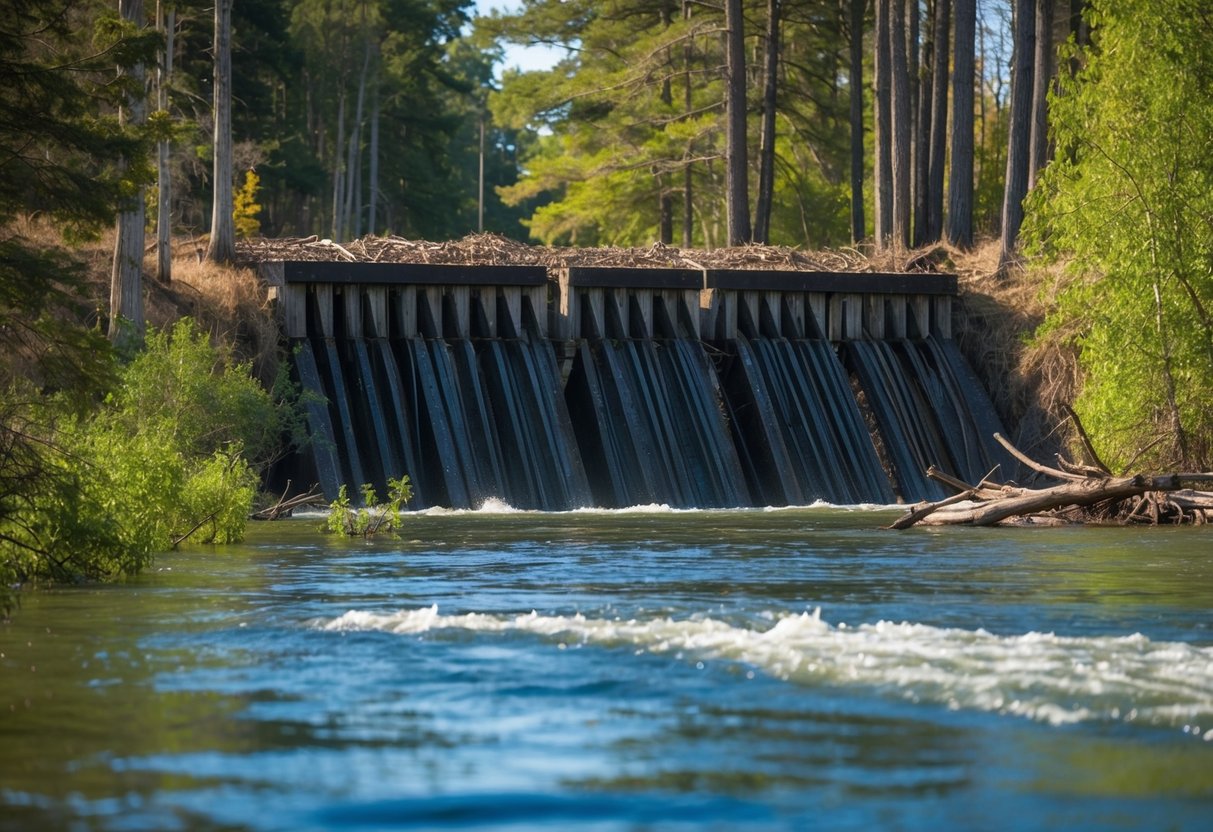
By building dams and creating ponds, beavers actually promote biodiversity in their environment. These wetlands provide habitats for various plants and animals, enhancing the whole ecosystem. Understanding how beavers impact your area can help you appreciate their role in nature, even if they are sometimes seen as a nuisance.
As you read on, you’ll discover more about the pros and cons of having beavers nearby, so you can make informed decisions about coexisting with these industrious creatures. Whether you see them as friends or foes, this exploration of the beaver’s influence will give you valuable insights into wilderness and wildlife management.
Understanding Beavers and Their Habitat
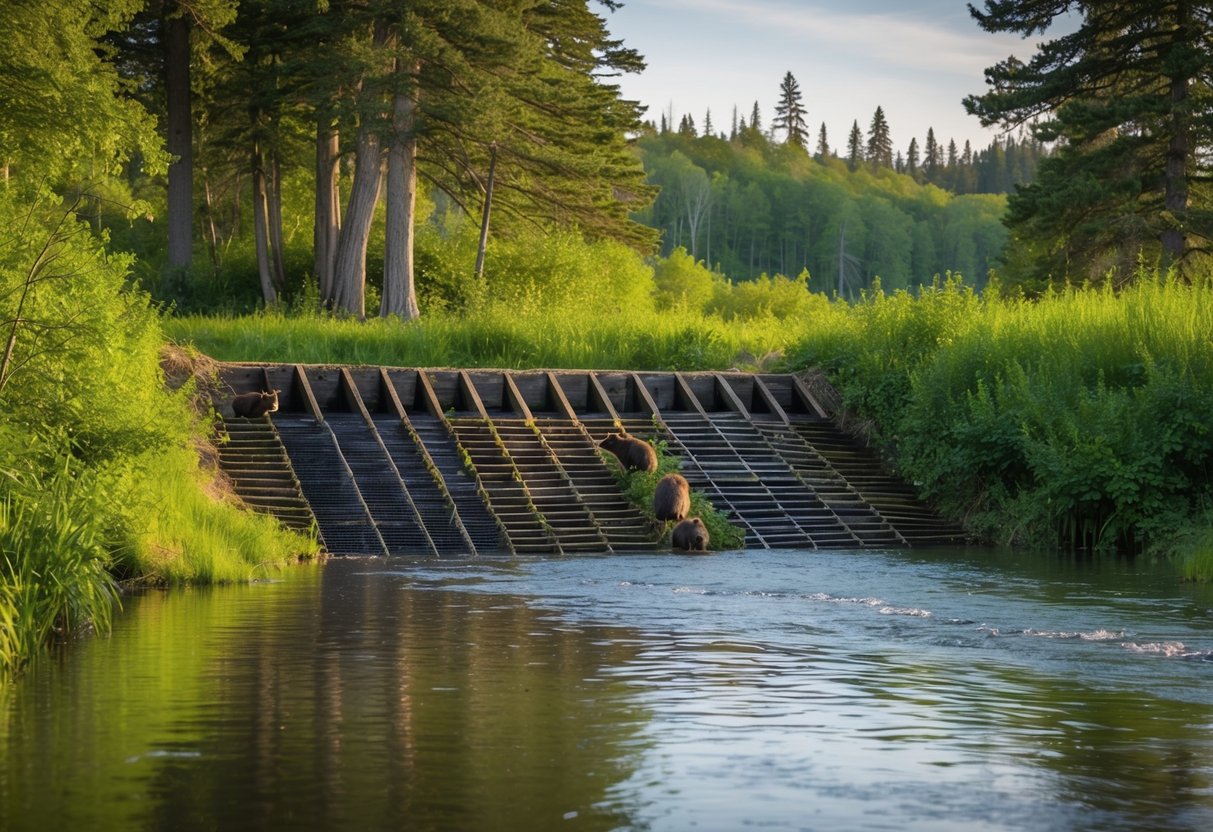
Beavers play a vital role in shaping their environment. Their behaviors significantly affect local ecosystems and biodiversity. Let’s take a closer look at how beavers interact with their habitat and why they are important.
Beaver Behavior and Ecosystem Role
Beavers are mostly nocturnal and highly social animals. They live in family groups called colonies that typically consist of a breeding pair and their young. These animals are known for their strong instincts to build and maintain dams. Their gnawing on trees is not just for food, but also to gather materials for dam construction.
By creating dams, beavers alter water flow in their areas. This behavior creates ponds and wetlands that serve as habitats for various species. Their population impacts vegetation and water levels, which attracts fish like salmon and diverse wildlife. Natural predators such as wolves and coyotes keep their populations in check, ensuring a balanced ecosystem.
Beaver Ponds and Wetland Ecosystems
The ponds formed by beavers are rich in biodiversity. These wetlands support a range of plants, fish, insects, and birds. As water levels rise, new habitats form, leading to increased species diversity. For example, aquatic plants thrive in the newly created environments.
Beaver ponds also provide essential breeding grounds for fish, including salmon. The still waters offer safety from predators while nurturing young fish. Additionally, beaver wetlands filter pollutants, improving water quality in nearby streams and rivers. This filtering action contributes to healthier ecosystems.
Beavers as Ecosystem Engineers
Beavers are often called “ecosystem engineers” due to their ability to change landscapes. By modifying their habitats, they create conditions that benefit numerous species. Their activities encourage the growth of plants and increase the availability of food and shelter for many organisms.
The wetlands they create are crucial for flood control. These areas absorb excess water during heavy rains, reducing erosion and protecting surrounding land. Their work promotes biodiversity and resilience in ecosystems, making them a key species in their environment.
The Impact of Beavers on Properties
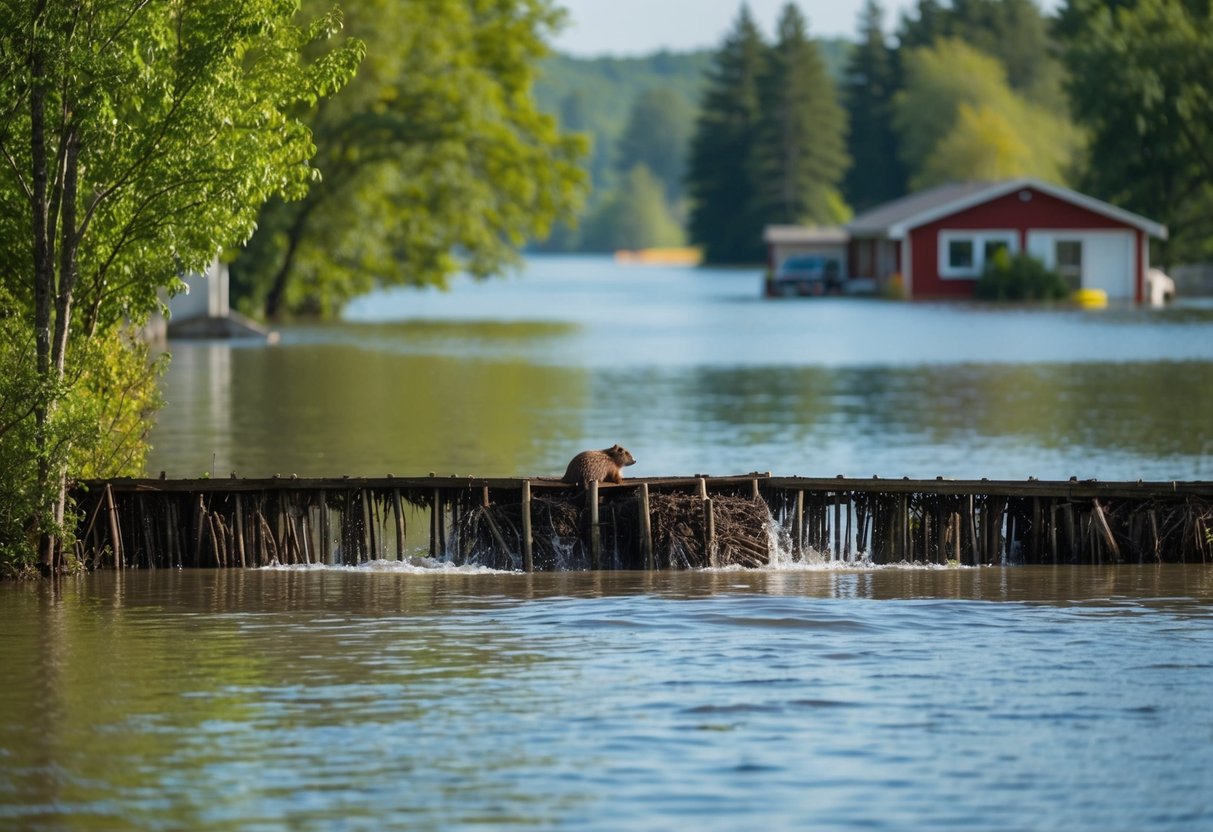
Beavers can have significant effects on your property. Their activities can lead to flooding and property damage, as well as issues related to tree cutting and gnawing. Understanding these impacts can help you manage any potential problems effectively.
Flooding and Property Damage
Beavers build dams to create ponds, which can raise water levels significantly. If a dam is upstream from your house, it can lead to flooding, causing water damage to your foundation or basement.
Flooded areas can also affect untreated surface waters, leading to erosion. This erosion can undermine the ground around your property. Over time, this might result in greater property damage and habitat loss in the surrounding area.
Monitoring water levels and the location of beaver dams is essential. Taking proactive steps can help minimize any flooding risks to your home.
Tree Cutting and Gnawing Issues
Beavers are known for their gnawing behavior. They cut down trees to create dams and build their lodges. This can lead to property damage if mature trees are affected.
Falling tree damage can also be a concern. If a tree you’ve been caring for falls due to beaver activity, it can cause harm to structures on your property or block access roads.
You might notice tree stumps around your yard, which indicates beaver activity. If you want to protect your trees, consider using protective fencing or wraps around the base of vulnerable trees. This can help deter beavers from gnawing on them.
Managing Beaver Conflicts

Beavers can create challenges for property owners and land managers. When their activities cause problems, it’s important to have effective ways to manage these situations. Here are some techniques and options you can consider.
Beaver Deterring Techniques
To discourage beavers from coming onto your property, various methods can be useful.
Consider using fencing around trees or gardens to protect them from damage. Strong wire or electric fences can keep beavers away from your valuable landscaping.
You might also explore scent deterrents like ammonia or predator urine. These strong smells can make your area less appealing to beavers. Some people use garlic or even mothballs to repel these pests.
Another method includes tree guards: wrapping your trees with wire mesh can help safeguard them from beavers. If you find that these techniques are not enough, there are also live traps available to safely capture and relocate beavers. Always check local regulations before taking action.
Professional Intervention and Relocation
Sometimes, managing beavers can require expertise, especially if your efforts haven’t worked.
In this case, getting professional assistance can be the best choice. Wildlife experts are trained to handle beaver problems effectively.
They can assess your situation and determine if relocation is the best option. This process aims to move beavers to a more suitable habitat where they won’t cause issues.
Ensure you discuss potential risks involved with trapping and relocating beavers. Professionals often have access to better methods and equipment, like drain pipes designed to prevent damming in culverts. They’ll consider the environment and local wildlife to create a balanced approach.
Encouraging Coexistence with Beavers
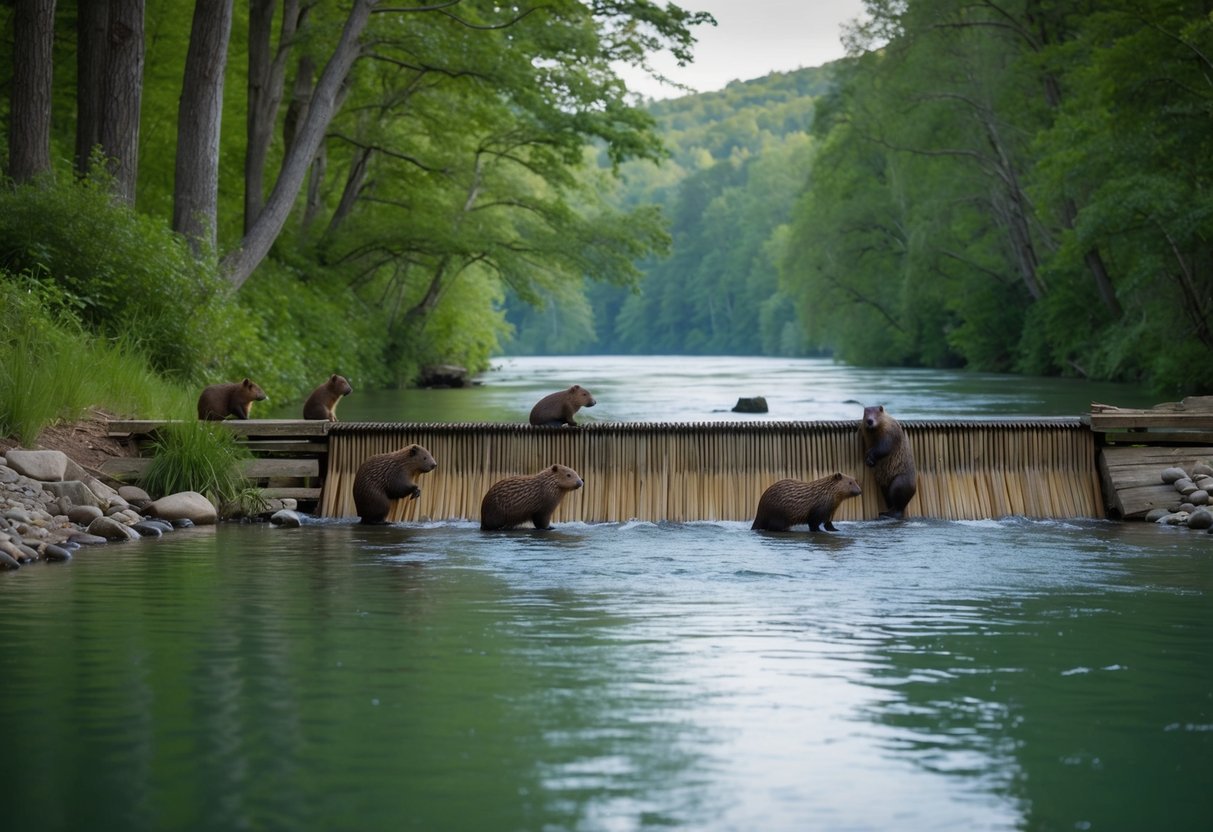
Living alongside beavers can bring valuable benefits to your local environment. By understanding the ways beavers contribute to ecosystem health and promoting wildlife viewing, you can enjoy a balanced relationship with these creatures.
Supporting Biodiversity and Wetland Health
Beavers play a key role in maintaining wetland ecosystems. Their dam-building activities create ponds that support various plant and animal species. This habitat is essential for many wildlife, including frogs, birds, and fish. Cattails and poplar trees thrive in these environments, enhancing biodiversity.
Implementing measures to accommodate beavers can prevent flooding hazards often associated with their activity.
For example, you can use fencing to protect certain areas while allowing beavers to build their homes. This approach nurtures wetland health while minimizing nuisance issues. Understanding that beavers have predictable travel patterns, you can anticipate their movements and protect your property accordingly.
Promoting Wildlife Viewing and Education
Beavers are fascinating to observe, especially as they are active at dusk. You can set up viewing areas to appreciate their behavior without disturbing their natural habitat. This not only enriches your experience but also helps educate others on the importance of beavers in your region.
Sharing your knowledge about beavers and their role in the ecosystem fosters a community that values wildlife conservation. Engaging local groups can lead to organized wildlife walks focused on beaver habitats.
Encouraging responsible viewing practices promotes respect for these animals. This leads to a harmonious coexistence that benefits both you and the environment.


