
Beavers played a vital role in early economies, especially in North America and Europe. We hunted beavers primarily for their valuable pelts, which were essential in the fur trade and highly sought after in fashion. These furs were used to make items like hats and coats, which added to their importance for trade and commerce.
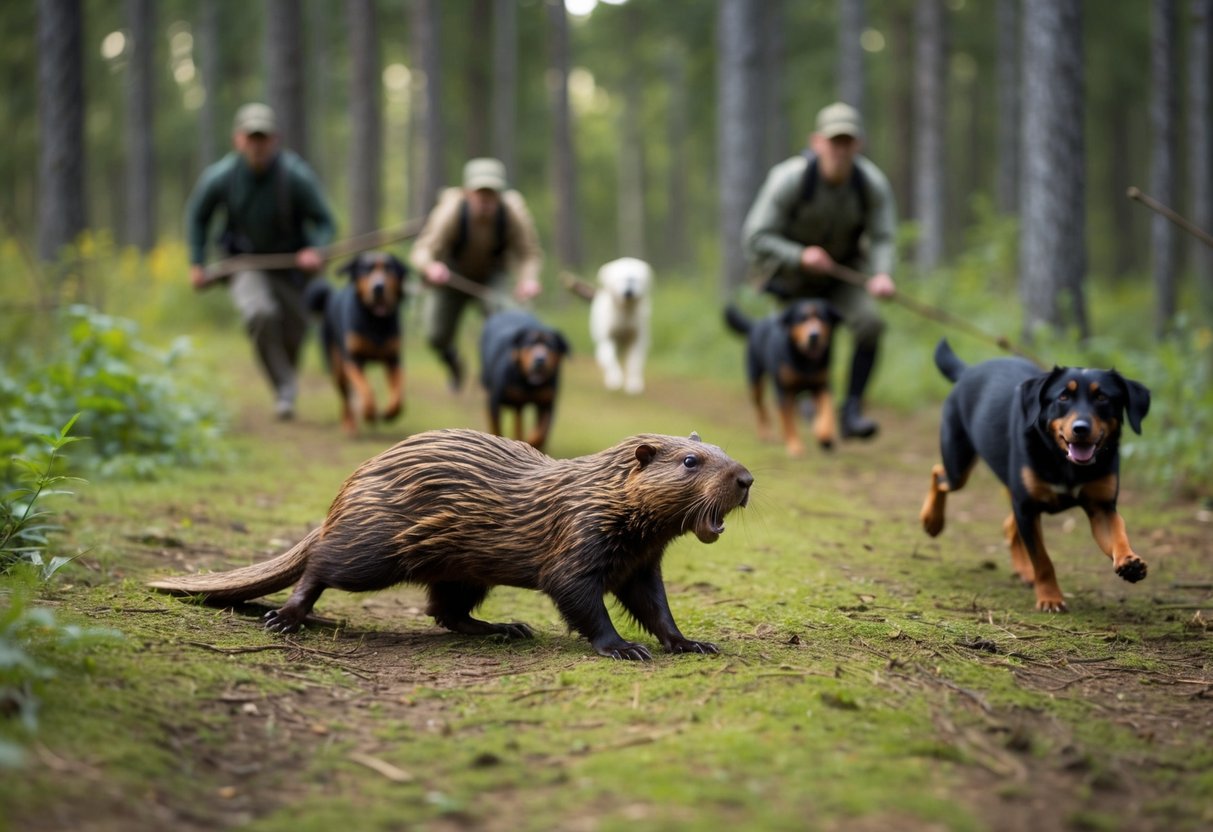
The demand for beaver pelts created a thriving fur trade industry. This trade not only enriched those involved but also influenced relationships between Native Americans and European settlers. As you explore further, you’ll see how this hunting led to significant changes in both wildlife populations and cultural practices.
Understanding why beavers were hunted gives you insight into the larger picture of trade, wildlife management, and the societal shifts of that time. It’s a fascinating story that connects nature, economy, and history.
Historical Significance of Beavers in Trade

Beavers played a crucial role in economic exchanges and cultural practices throughout history. Their pelts became highly sought after, shaping trade routes and impacting various communities. Understanding their significance helps you grasp the complexities of early commerce and relationships between different groups.
Role of Beaver Pelts in Fur Trade
Beaver pelts were extremely valuable in the fur trade, especially in Europe. The soft, warm fur was perfect for making hats, coats, and other garments. Many people desired beaver fur because it stood out for its quality and durability.
During the height of the fur trade, companies like the Hudson Bay Company established extensive trade networks. They created trade routes that allowed for the efficient movement of beaver pelts. This trade boosted local economies across North America, leading to intense trapping activities.
Trappers, including both Native Americans and European settlers, worked together to capture beavers. This partnership was essential in meeting the high demand for pelts, which at times led to the over-trapping of beaver populations.
Influence on Native American Culture
For Native Americans, beavers were more than just a trade good. They held cultural and spiritual significance. The animals were often featured in various stories and legends, representing perseverance and resourcefulness.
Native American tribes engaged in the fur trade as a way to strengthen relationships with European traders. They exchanged beaver pelts for tools, firearms, and other goods. This exchange boosted their own economies and improved their quality of life.
Additionally, the fur trade changed traditional ways of life. Many tribes adapted their hunting methods and lifestyles to focus on trapping, leading to a shift in social structures. This interaction between cultures was key in shaping the early history of North America.
Beavers as a Cultural Icon and Commodity

Beavers have played a significant role in both culture and commerce. From their valuable pelts used in fashion to traditions upheld by Indigenous peoples, beavers represent a unique intersection of nature and human society.
Beaver Hats and the Fashion Industry
Beaver hats were once a symbol of status and wealth. Made from the soft fur of the beaver, particularly from Castor canadensis, they became popular in Europe during the fur trade.
These hats were crafted using a process that turned beaver fur into high-quality felt. This felt was prized for its durability and warmth.
In the 17th and 18th centuries, beaver hats were essential fashion items. Wealthy individuals wore them, and they often indicated social standing. The demand for these hats led to extensive trapping and hunting of beavers.
Today, while beaver hats are less common, they remain a nostalgic reminder of the past and an icon of luxury.
Koyukon Tradition and Utilization
The Koyukon people of Alaska have a deep connection to beavers. They utilize every part of the animal, not just for fur but also for food. Beaver meat is considered a valuable source of protein.
In Koyukon culture, beavers are respected animals. Their hides are used for clothing, and their bones can serve various purposes, including tools. This respect extends to how they are hunted and prepared.
Traditionally, Koyukon hunters use techniques passed down through generations. They believe in honoring the beaver’s spirit during the process.
These practices highlight the importance of sustainability and cultural heritage in the way beavers are incorporated into daily life.
Environmental Impact and Conservation

Beavers play a crucial role in maintaining healthy ecosystems, impacting biodiversity significantly. Understanding their contributions and the efforts to conserve them can help mitigate past mistakes in hunting and habitat destruction.
Beavers as Ecosystem Engineers
Beavers are known as ecosystem engineers. Their dam-building activities create ponds and wetlands, which provide habitats for various animal and plant species. These wetlands help filter water, improve water quality, and reduce flooding.
When beavers are present, they increase biodiversity in their territory. This is seen in the variety of insects, fish, birds, and other wildlife that thrive in beaver-created environments. The absence of beavers, on the other hand, leads to the drying up of wetlands, which can contribute to extinction of local species and habitat loss.
Conservation Efforts to Protect Biodiversity
Due to hunting and habitat loss, beaver populations have drastically decreased. Many organizations are focusing on conservation efforts to address this. These initiatives include creating protected areas where beavers can thrive. Additionally, some landowners use non-lethal methods to manage beaver populations without harming them.
Public awareness about the importance of beavers has been rising. Educational programs emphasize their role in maintaining biodiversity. Encouraging coexistence between beavers and humans can lead to healthier ecosystems and a sustainable environment.
By supporting these efforts, you help ensure that beavers continue to thrive and contribute positively to our natural world.


