
As a dog owner, you might wonder what foods are safe for your furry friend. One question that sometimes comes up is about feeding dogs beavers. The simple answer is that while beaver meat is not a common food for dogs, it is safe for them to eat in small amounts, provided it is properly prepared.
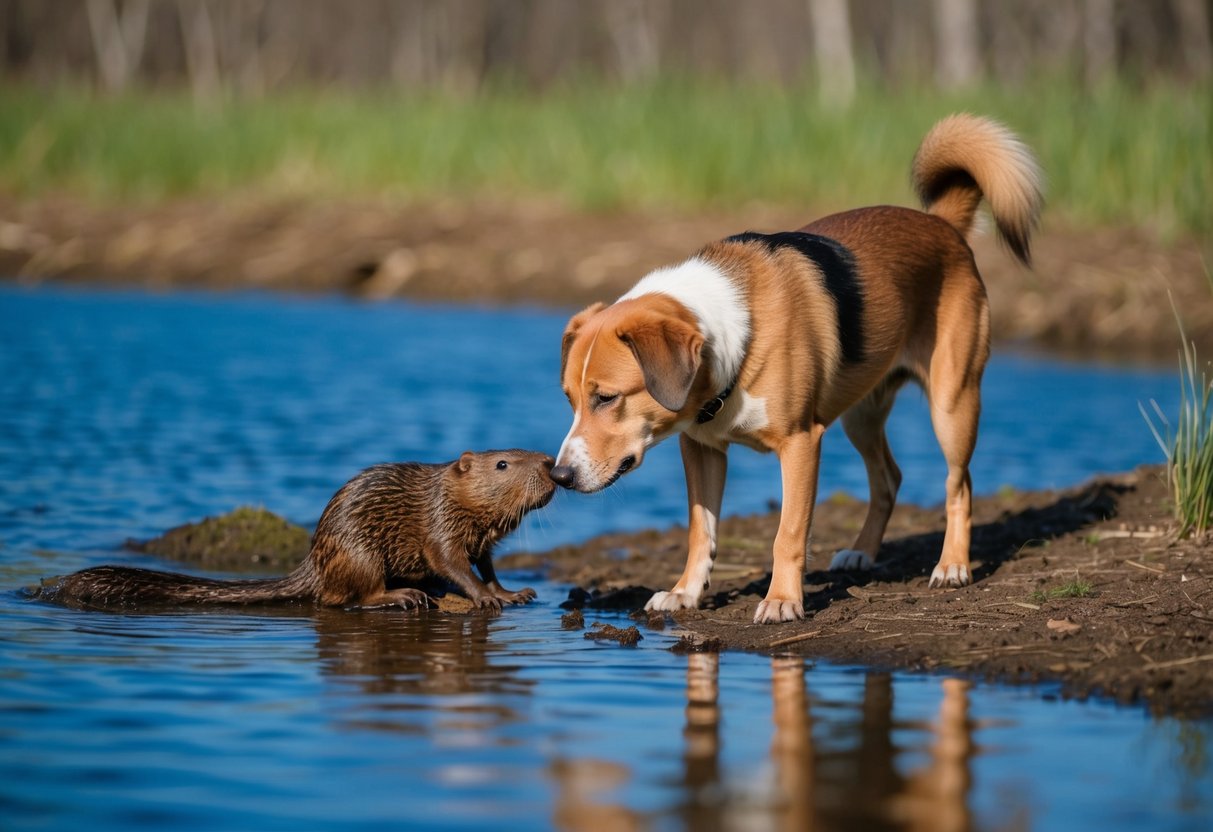
Many dog owners may be surprised to learn that some pet food suppliers even offer raw beaver meat specifically for dogs. It’s a unique source of protein that can add variety to your pet’s diet. Just like with any new food, it’s important to introduce it slowly and ensure it fits well with your dog’s overall nutrition plan.
If you’re curious about the benefits, potential risks, and how to safely feed beaver meat to your dog, keep reading. This article will explore everything you need to know about this unusual dietary option for your canine companion.
Canine Diets and Nutritional Needs
Understanding what your dog needs to stay healthy is essential. Dogs require a balanced diet that provides various nutrients.
Understanding a Dog’s Nutritional Profile
A balanced canine diet includes proteins, fats, carbohydrates, vitamins, and minerals. Each component plays a role in promoting your dog’s health.
Key Nutrients:
- Proteins: Essential for muscle development and repair.
- Fats: Provide energy and support cell structure.
Your dog isn’t a herbivore, so their diet should include animal proteins. Look for high-quality dog food that lists real meat as the first ingredient. It’s also important to choose food that matches your dog’s age, breed, and activity level to meet their specific needs.
The Role of Protein and Fat in Dog Food
Protein plays a crucial role in your dog’s diet. It supports growth, muscle maintenance, and overall health. Meats like chicken, beef, and fish are excellent sources. Aim for dog food with at least 20-30% protein content.
Fat is another critical component. It provides energy, helps absorb vitamins, and keeps your dog’s skin and coat healthy. Healthy fats, like omega-3 and omega-6, promote heart health and reduce inflammation.
When selecting dog food, check that it has balanced protein and fat levels. This ensures your furry friend gets the necessary nutrients to thrive.
The Safety of Beaver Meat for Dogs
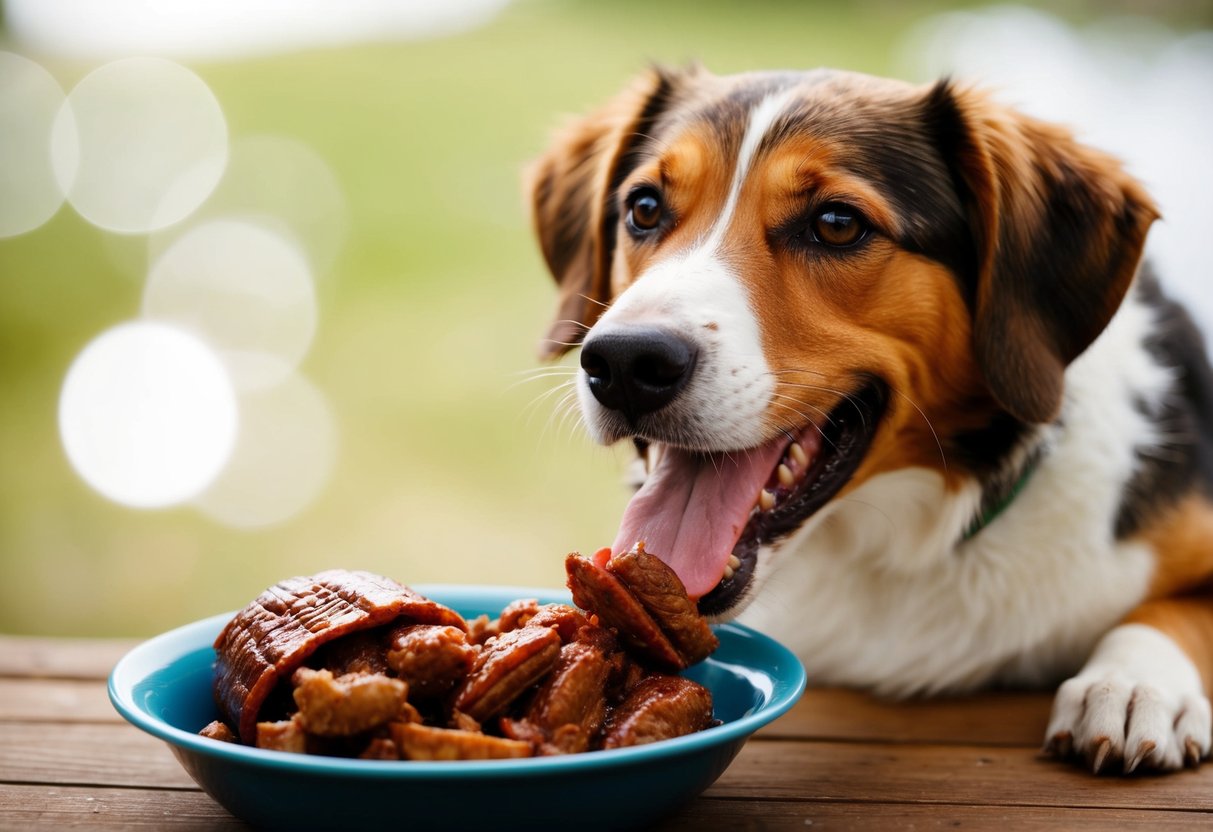
When considering beaver meat for your dog, it’s important to look at its role as a protein source and be aware of potential health risks. Understanding these aspects can help you make informed choices for your pet’s diet.
Beaver Meat as an Uncommon Protein Source
Beaver meat can be a unique protein option for dogs. It is classified as red meat, which is rich in iron and can offer nutritional benefits. Many people who hunt or trap beavers use the meat for both human and pet consumption.
When feeding your dog beaver, ensure it is sourced from a safe and clean environment. The meat can be prepared in various ways, but always cook it properly to eliminate harmful bacteria. A general guideline is to feed about 3 ounces per 10 pounds of your dog’s weight.
Health Risks Associated with Wild Game
Feeding your dog wild game, like beaver meat, has potential health risks. One concern is the chance of parasites or disease that can be present in wild animals. Ensure the meat is inspected by a professional and handled safely during preparation.
Raw meat carries the risk of bacterial contamination. If you choose to feed raw beaver meat, adhere to strict hygiene practices. Wild game can also vary in fat content, which might affect your dog’s digestion. Always monitor your pet for any adverse reactions after introducing new foods into their diet.
Preparing Beaver Meat for Canine Consumption
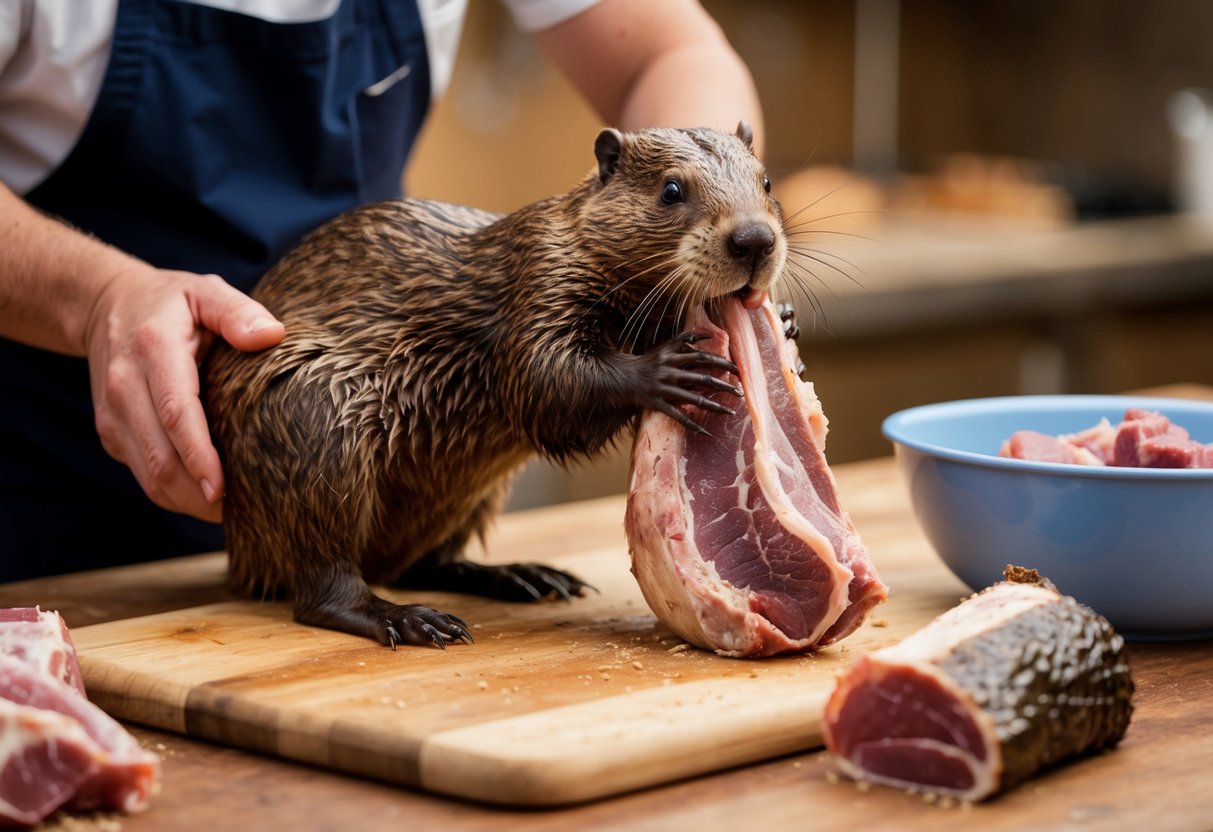
Feeding beaver meat to your dog can be a unique option, but it’s essential to prepare it correctly. Understanding the proper cooking methods and nutritional benefits will help ensure your pet enjoys this unusual meal safely.
Cooking Methods and Practices
When preparing beaver meat, start by ensuring it is fresh and from a trusted source. Cut the meat into small, manageable pieces for your dog.
You can choose to cook it by boiling, baking, or grilling.
- Boiling: This method helps remove excess fat and keeps the meat tender.
- Baking: Layer the meat in a baking dish at a moderate temperature, ensuring it’s cooked through but not dried out.
- Grilling: Grill the meat until it reaches a safe internal temperature of 165°F.
Always avoid adding seasonings or sauces, as many can be harmful to dogs. If you have a beaver tail, it can also be cooked and served to your dog, but make sure to remove any excess fat, as dogs do not need that much.
Nutritional Considerations of Beaver Tail and Meat
Beaver meat is lean and packed with protein, making it a good option for your dog. It’s also rich in essential vitamins like B6 and minerals like phosphorus.
On the other hand, the beaver tail contains a higher fat content. This can be beneficial in moderation but may lead to weight gain if your dog is not very active.
Consider your dog’s dietary needs. Here are some things to keep in mind:
- Protein: High protein level supports muscle health.
- Fat Content: Monitor fat intake to avoid obesity.
- Nutrients: The meat provides valuable nutrients that support a healthy diet.
Introduce beaver meat slowly into your dog’s meals to observe how they react to it. Always check with your vet before adding new foods to your dog’s diet.


