
Beavers, known scientifically as Castor canadensis, are remarkable creatures that play a vital role in their ecosystems. They are best known for their dam-building skills, which help create ponds that serve as habitats for various wildlife. Beavers improve water quality, recharge aquifers, and support biodiversity through their unique activities.
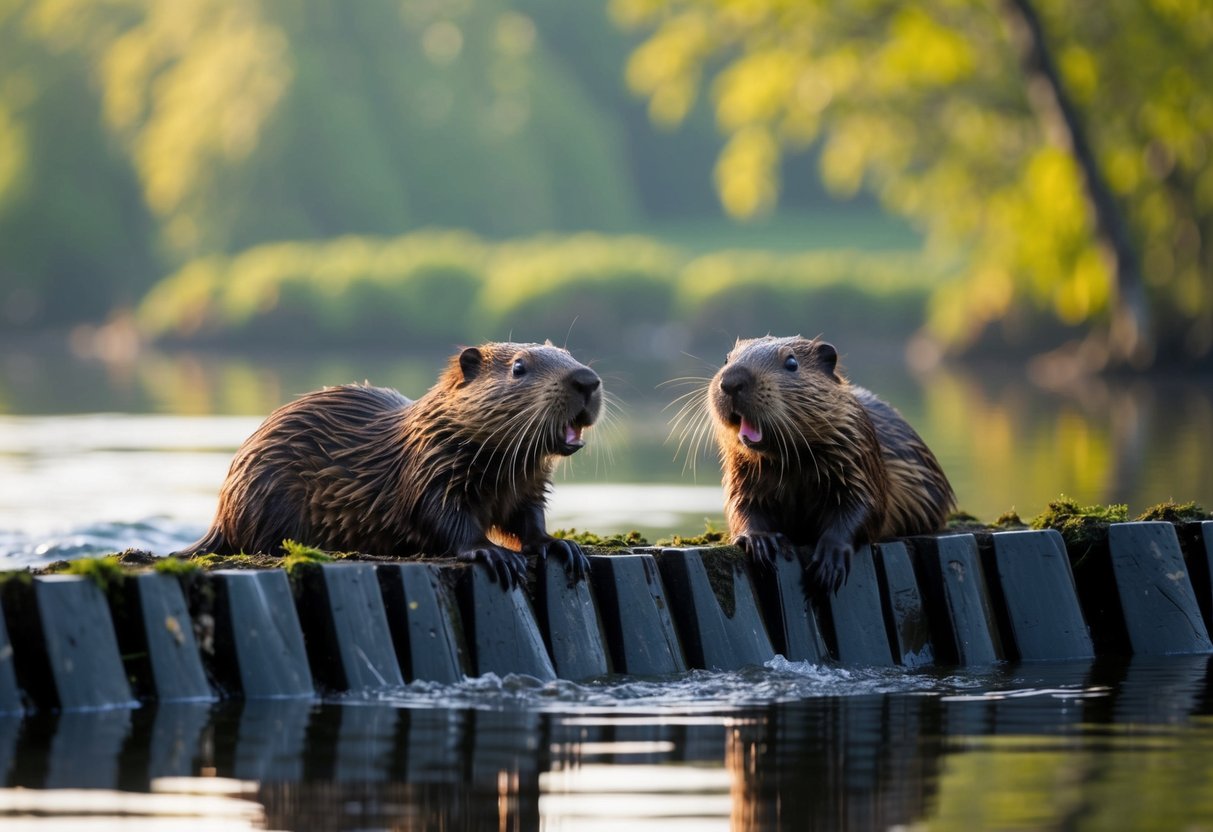
You may not realize it, but these industrious animals are natural engineers. The dams they build can slow down river flows, which reduces soil erosion and allows sediments to settle. This not only clarifies the water but also supports plant life that benefits many other species.
Whether you see them as cute animals or essential environmental stewards, understanding what beavers are good at can change your perspective on nature.
As you explore the fascinating world of beavers, you’ll discover how their behaviors contribute to a healthier environment. From aiding in water retention during droughts to helping create diverse ecosystems, beavers are more than just furry creatures—they are nature’s helpers.
Beaver Biology and Behavior

Beavers are fascinating animals with unique physical traits, a complex social structure, and specific feeding habits. Their behaviors not only help them survive but also benefit their environment.
Physical Characteristics
Beavers are large rodents, the biggest in North America. They typically weigh between 45 to 60 pounds, and some can even reach 100 pounds. Their bodies are built for a semi-aquatic life.
Key features include:
- Fur: Beavers have dense fur with an outer layer of coarse guard hairs and inner soft underfur. This helps keep them warm in cold water.
- Tail: Their flat, paddle-like tail aids in swimming and supports their body while they build dams and lodges.
- Teeth: Beavers have strong, orange incisors that grow throughout their lives. These powerful teeth allow them to chew through wood and branches easily.
Social Structure
Beavers are social creatures that live in family units, called colonies. These colonies can have up to 10 individuals, usually including a breeding pair and their kits.
Colony life includes:
- Territory: Each colony has a defined territory marked by scent, which helps prevent conflicts with other beavers.
- Cooperation: Family members work together to construct and maintain their dams and lodges, showcasing their teamwork.
- Communication: Beavers communicate using a variety of sounds, such as growls, whistles, and tail slapping on water to signal danger.
Diet and Feeding Habits
Beavers are herbivores primarily eating the bark, leaves, and twigs of trees and shrubs. They are known to be quite picky about their food choices, selecting specific plants based on availability.
Their diet consists of:
- Preferred Foods: Willows, aspens, and cottonwoods are among their favorites. They often store food for winter by placing branches underwater.
- Feeding Techniques: Beavers use their sharp teeth to gnaw down trees and strip bark. This helps to collect food while also providing materials for dam-building.
- Ecosystem Impact: By feeding on certain trees and plants, beavers play a crucial role in shaping their habitat and enhancing biodiversity in the areas surrounding their ponds.
Beavers as Ecosystem Engineers

Beavers play a vital role in shaping their habitats, impacting wetlands, enhancing biodiversity, and influencing wildlife variety. Their actions create rich ecosystems, which lead to numerous beneficial effects for the environment.
Impact on Wetlands and Biodiversity
Beavers create wetlands by building dams, which hold back water and form ponds. These ponds serve as habitats for many plants and animals. As a result, you can find a diverse array of aquatic plants and wildlife thriving in these areas.
The wetlands also offer protection against flooding, providing stability during heavy rains. The presence of diverse habitats supports various species, making beavers key to maintaining biodiversity. Their role in creating biologically productive ecosystems allows other organisms to flourish.
Water Quality and Hydrology
Beaver dams significantly improve water quality in their surrounding areas. As water flows through their constructed ponds, the natural filtration processes remove sediments and pollutants. This results in cleaner water for plants, fish, and other organisms.
Additionally, beavers regulate hydrological cycles by slowing down water movement. This helps to recharge groundwater and maintain stream flow during dry periods. You might be surprised to know that their activities can even reduce erosion, leading to healthier soils in the surrounding regions.
Influences on Wildlife Variety
Beavers are often referred to as keystone species due to their considerable impact on wildlife variety. The habitats they create attract numerous species, providing food, shelter, and breeding grounds.
For example, many fish species benefit from the deeper pools created by beaver dams, which offer protection from predators. Birds and amphibians also thrive in these wetland areas. By enhancing habitat complexity, beavers foster a rich tapestry of life, making ecosystems more resilient.
Their presence helps support various wildlife, showcasing the importance of beavers in maintaining a healthy balance within ecosystems.
Conservation and Environmental Benefits

Beavers play a significant role in conservation and provide many environmental benefits. Their activities in building dams and creating ponds lead to improved water management and better ecosystems. Let’s look closer at how they help with flood control, drought resilience, and water quality.
Flood Control and Water Storage
Beaver dams are effective at managing water flow, which helps prevent flooding. When rain falls, these structures capture excess water. This slows down the movement of water downstream, reducing the risk of flash floods.
In addition, beaver ponds act as natural reservoirs. They store water during heavy rains and release it slowly during dry periods. This ability to store water is essential for maintaining stream flows and supporting wildlife habitats.
By creating these ponds, beavers improve water availability for other plants and animals. Their presence makes a healthier, more balanced ecosystem.
Drought Mitigation and Climate Resilience
In regions affected by drought, beaver ponds can be a vital resource. These ponds hold water during dry spells, which helps plants and animals survive when conditions worsen. The extra water stored can recharge groundwater supplies and keep streams flowing.
As climate change brings unpredictable weather patterns, having beaver habitats in place enhances resilience. Healthy ecosystems with beaver activity are better equipped to adapt to changes. This means they can handle extreme weather events and provide stability for other species.
Beavers help create a more sustainable environment, benefiting both wildlife and human communities.
Natural Filtration and Nutrient Cycling
Beaver ponds also improve water quality by filtering out pollutants. When water flows through these wetlands, sediments and nutrients settle at the bottom. This natural process cleans the water before it flows into rivers or lakes.
Moreover, the diverse plant life in beaver ponds plays a vital role in nutrient cycling. Plants absorb excess nutrients, which helps reduce issues like algae blooms in downstream waters.
These ponds provide habitat for many species, offering refuge for fish and wildlife. This leads to healthier aquatic ecosystems that are essential for maintaining biodiversity.
Incorporating beaver habitats in conservation efforts can greatly boost the overall health of the environment.
Coexisting with Beavers
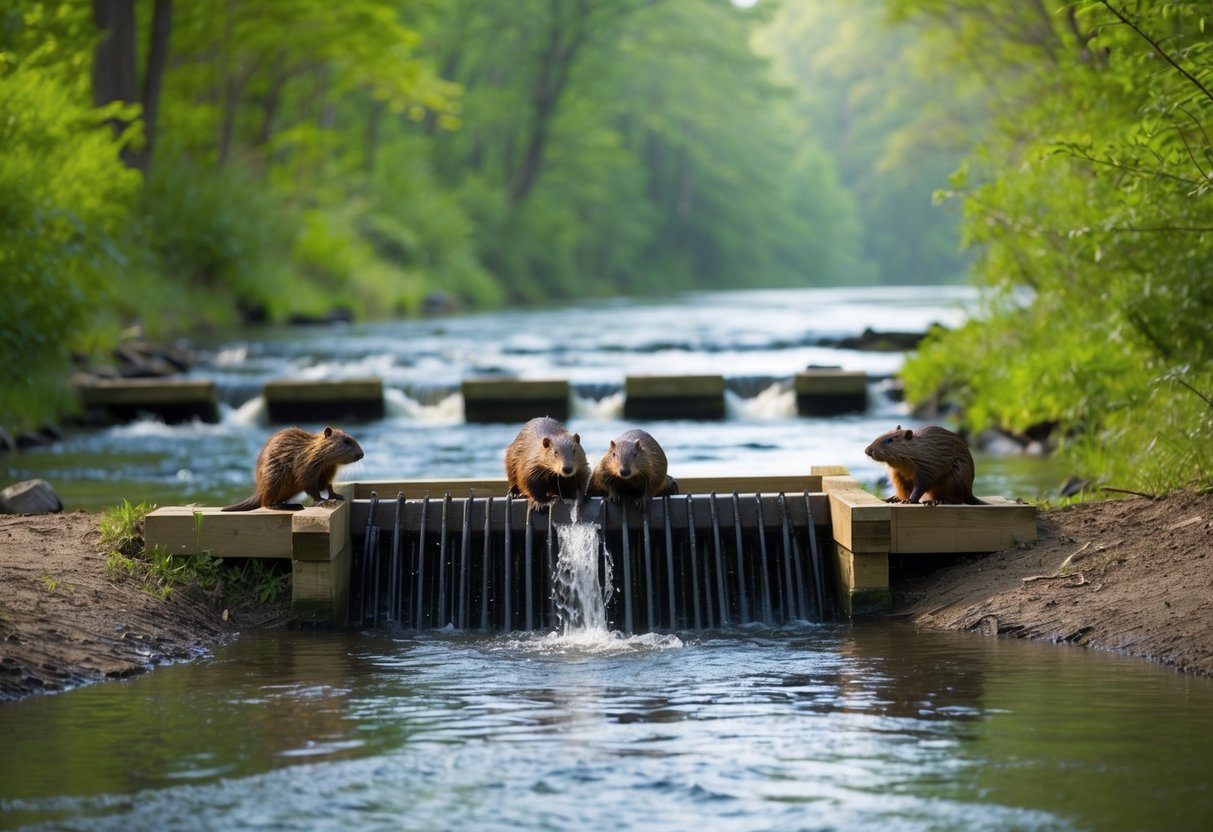
Living near beavers can be a rewarding experience, but it may also lead to conflicts. Understanding how to manage these situations can enhance your relationship with these fascinating creatures. You can use several strategies to reduce conflicts and protect your property while allowing beavers to thrive.
Mitigating Beaver-Human Conflicts
Conflicts often arise when beavers build dams that can lead to flooding or damage to trees. To reduce these issues, consider using flow devices. These allow water to flow while still maintaining the wetland that beavers need.
Trunk guards can protect valuable trees from being chewed. Additionally, fencing around sensitive areas can deter beavers from causing damage.
Using deterrents like noise makers or taste aversion can also discourage them from settling too close to your home. Each method can help balance the needs of humans and beavers while keeping the ecosystem healthy.
Beaver Management Strategies
Sometimes, beavers create problems beyond control, and you might need to relocate them. Always check for local regulations before deciding on this option.
Relocations should aim to provide new habitats that meet the needs of the beaver family.
In cases where beavers cause stream flow issues, integrating community efforts can be helpful. Working with local wildlife organizations can provide resources and advice on coexistence.
Creating a friendly environment for beavers while protecting your property takes planning. By using the strategies above, you can enjoy the ecological benefits that beavers offer while minimizing conflicts.


