
Beavers have an interesting history in the UK that many people are unaware of. Yes, beavers, specifically the Eurasian beaver, once roamed the rivers and wetlands of Britain as a native species. They played a vital role in shaping the environment by creating healthy wetland habitats. Unfortunately, due to excessive hunting for their fur and other uses, they disappeared from the region hundreds of years ago.

In recent years, there has been a push to bring beavers back to their former homes in Britain. This beaver reintroduction effort has sparked debates about their ecological impact and the management of their populations.
As you read on, you’ll discover how these remarkable creatures are making a comeback and what it means for the landscape and wildlife of the UK.
History of Beavers in the UK

Beavers once played an important role in the UK’s wildlife. They were native species that helped shape wetland habitats. Unfortunately, they faced many challenges that led to their extinction in the region.
Extinction and Causes
Beavers became extinct in the UK by the 16th century. The main reasons for their decline were hunting and habitat loss. They were hunted for their fur, meat, and castoreum, a valuable secretion used in perfumes and medicine. Over time, this relentless hunting, combined with the destruction of their natural habitats, led to their disappearance.
Beavers were once found throughout Britain, but their population dwindled until there were no more left in the wild. Your understanding of this extinction can help raise awareness about wildlife conservation and the importance of protecting native species.
Historical Evidence of Beavers
Historical records show that beavers thrived in the UK for thousands of years. Evidence from archaeological sites indicates that they were prevalent in rivers and wetlands. Artifacts like bones and tools used for processing beaver materials have been discovered, showing their significance to ancient communities.
In medieval times, beavers were well-known in Britain. Their presence was noted in literature and artwork, highlighting their impact on the ecosystem. This rich history underlines the importance of reintroducing beavers today, as they are now recognized as a European protected species, helping restore wetlands and promote biodiversity.
Ecological Impact of Beavers

Beavers play a vital role in shaping their environments. Their behaviors significantly influence water management, biodiversity, and the overall health of ecosystems.
Beaver Dams and Water Management
Beavers are known as ecosystem engineers. They create dams that alter the flow of water. These dams can lead to the formation of wetlands, which are important for water management.
Wetlands help trap floodwaters, reducing the risk of flooding in nearby areas. This natural flood control is essential, especially in regions prone to heavy rain.
In addition, beaver dams improve water quality by filtering pollutants. The slow-moving water allows sediment to settle, which helps keep rivers and streams cleaner. This can restore and maintain healthy aquatic environments.
Biodiversity and Wildlife Support
The presence of beavers boosts biodiversity in their habitats. Their dams create new wetlands, which support various life forms.
These wetlands provide homes for aquatic plants, invertebrates, and breeding fish. This rich habitat attracts numerous species, enhancing local wildlife populations.
Furthermore, mammals, birds, and amphibians benefit from the diverse ecosystem that beavers help create. This support for wildlife increases the overall resilience of the environment.
Beavers as Keystone Species
As keystone species, beavers maintain the structure of their ecosystem. Their activities impact many other organisms. When they build dams, they create habitats that are essential for many species.
Without beavers, these habitats could disappear, leading to a decline in wildlife populations. By supporting biodiversity, beavers help to stabilize the ecosystem.
Thus, maintaining healthy beaver populations is critical. It ensures the persistence of diverse biological communities and the overall health of aquatic ecosystems.
Beaver Reintroduction Efforts
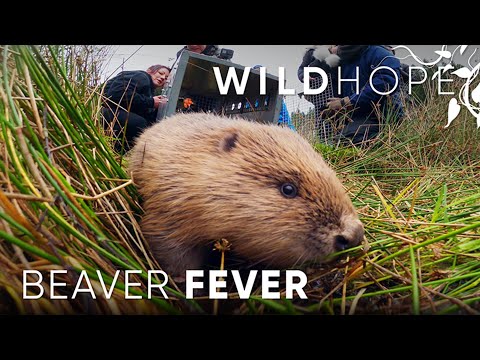
Beavers have been reintroduced to the UK in several important projects aimed at restoring ecosystems. These efforts focus on the beaver’s role as a keystone species and the challenges they face in their new environments.
Key Reintroduction Projects
One of the groundbreaking reintroduction projects is the Scottish Beaver Trial, which began in 2009 in Knapdale Forest. This trial showed that beavers could thrive in Scotland after being absent for over 400 years.
In England, the River Otter Beaver Trial started in 2015, where beavers were monitored in a more natural setting.
These projects demonstrated that beavers can positively impact biodiversity. They create habitats for various species, improve water quality, and enhance flood resilience. Both trials were essential in shaping policies around the beaver’s status as a European Protected Species.
Challenges and Controversies
Despite the successes, beaver reintroduction has faced challenges. Conflicts often arise between landowners and conservationists. Some farmers worry about beavers damaging crops or causing flooding. This concern has led to debates over the best management strategies.
Translocation of beavers to new areas must be done carefully. Unregulated releases can lead to overpopulation and stress on local ecosystems. Engaging communities and providing education about the benefits of beavers is crucial for reducing opposition and fostering support for conservation efforts.
Successes and Future Prospects
The reintroduction of beavers is showing promising results. Their presence has led to healthier wetlands and increased biodiversity. Many wildlife enthusiasts are excited about potential future projects.
The number of beavers in the UK has grown, with over 400 currently living in England alone. Rewilding efforts are expanding, and wild releases are becoming more common.
Looking ahead, ongoing monitoring and research are key to ensuring that beavers can coexist with humans. With continued cooperation between landowners, conservationists, and local communities, the future of beavers in the UK looks bright.
Understanding Beaver Behavior and Biology

Beavers are fascinating creatures with unique behaviors and biological traits. They play an important role in their ecosystems. Notably, they live in family groups and have specific habitat needs that influence their survival and social behaviors.
Social Structure and Family Groups
Beavers are social animals that live in family units called colonies. These colonies typically consist of a mated pair, their young (called kits), and yearlings from previous seasons. Family groups work together to maintain their home and environment.
Each member has a role, whether it’s building dams or gathering food. This teamwork is essential for creating wetlands, which provide habitats for various species. You may find them active during the crepuscular hours, meaning they are most active at dawn and dusk. This social structure allows them to thrive in their ecosystem.
Diet and Habitat Preferences
As herbivores, beavers primarily eat a diet of plant material. Their favorites include leaves, bark, and aquatic plants. They prefer to dwell in wetland habitats where food is abundant.
These areas also provide the necessary resources for building dams and lodges.
Beavers can travel great distances, sometimes over ten miles, in search of suitable habitats. A good location will have plenty of trees and vegetation. These sites allow beavers to construct their characteristic dams, which create ponds essential for their survival and that of other wildlife.
Reproduction and Development
Breeding typically occurs in late winter to early spring. The mated pair produces between one to six kits per litter. After about 105 days, the kits are born. You might find them learning to navigate their environment quickly.
Kits remain with their parents for up to two years, gaining critical skills necessary for survival. During this time, they learn important behaviors like building dams and foraging for food. The bond within the family helps young beavers prepare for an independent life in the wild.


