
If you’ve ever wondered about the names given to animals, you might be curious about what a female beaver is called. Many people think that animals have unique names based on their sex, but when it comes to beavers, that’s not the case. Both male and female beavers are simply called beavers.
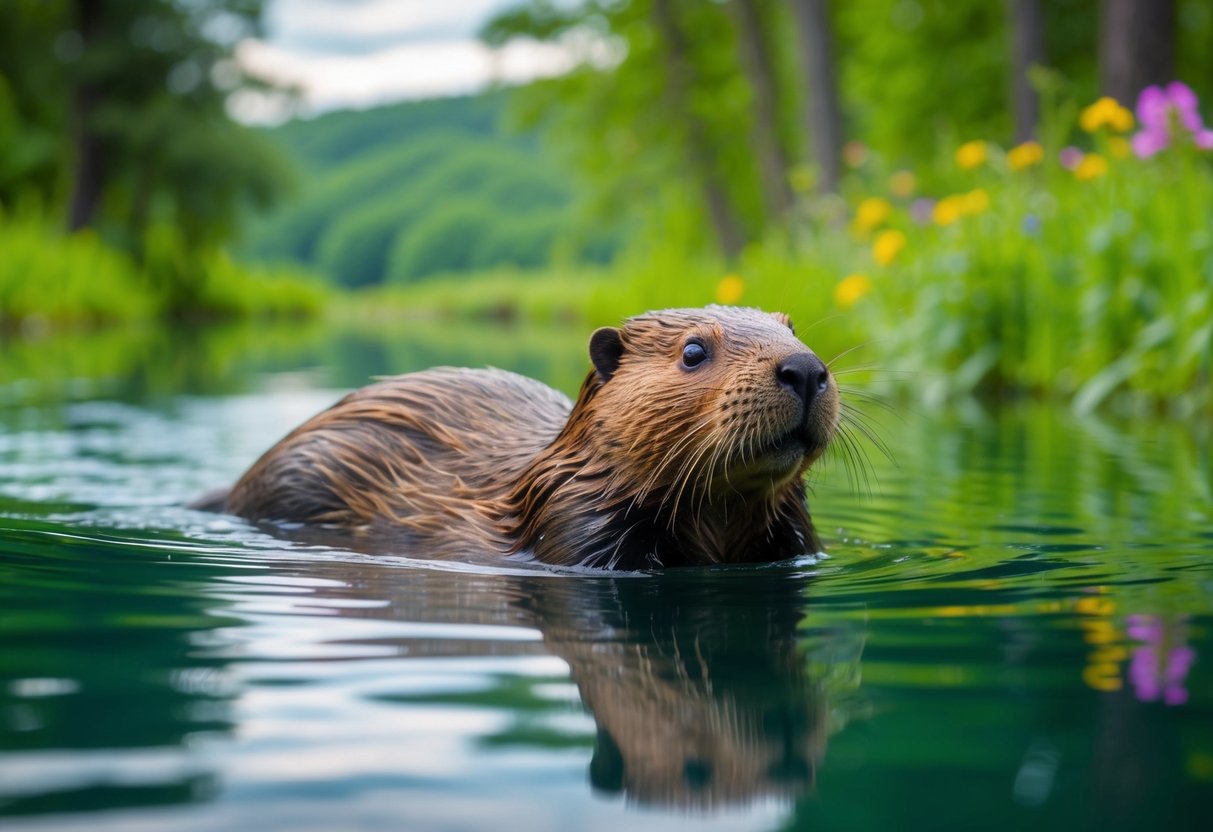
Beavers are fascinating creatures known for their dam-building skills and teamwork. They play an important role in their ecosystems by creating wetlands, which benefit many other animals. Understanding these animals better can give you more appreciation for their contributions to nature.
Stay with us as we explore more interesting facts about beavers, their behavior, and why they are important to the environment. You might be surprised by what you learn!
Understanding Beaver Terminology
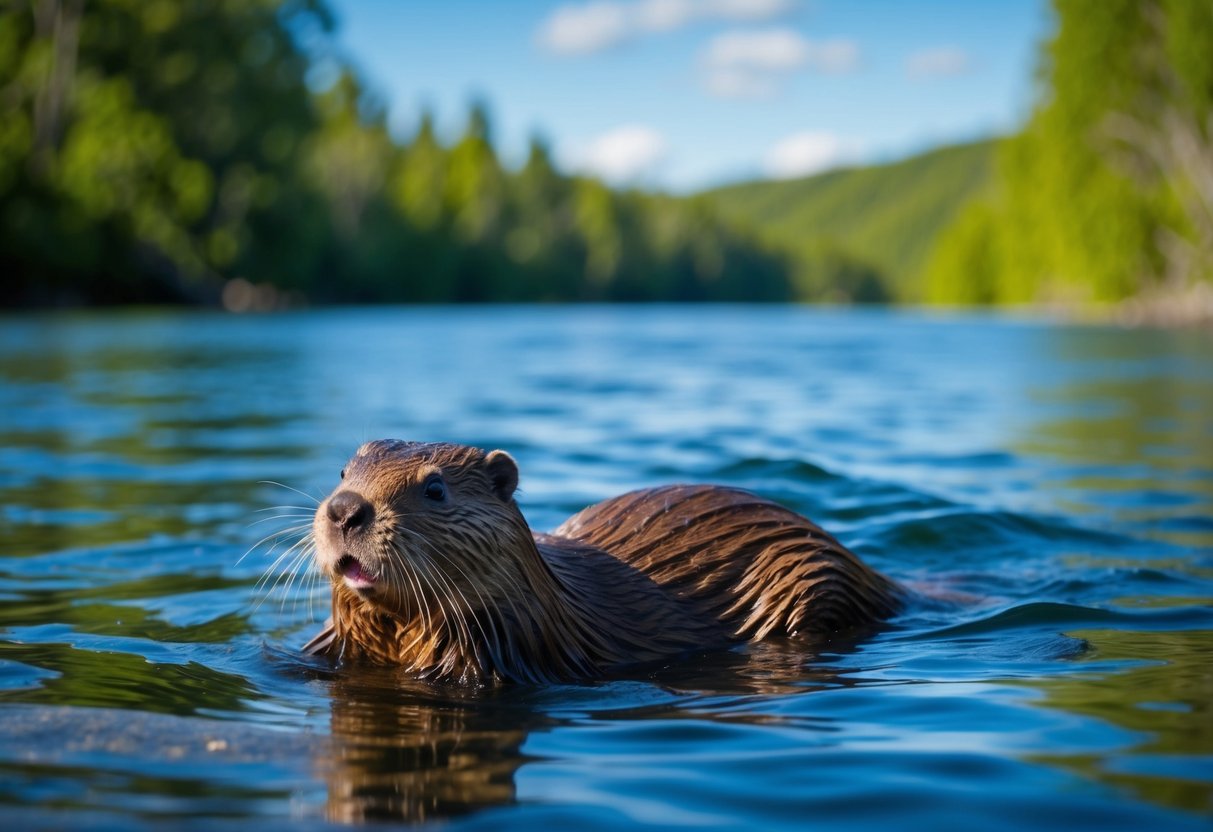
When learning about beavers, it’s helpful to know the terms used to refer to them. This section will cover the definitions and origins of beaver names, as well as the differences between male and female beavers.
Definition and Etymology of Beaver Names
The term “beaver” comes from the Old English word beofor. This word has roots in Germanic and Latin languages, referring to the animal known for its large, flat tail and ability to build dams.
In different contexts, “female beaver” can simply refer to a female of this species. There are no unique names for female beavers, as they are generally called just that. The slang use of “beaver” as a term for female genitalia is a more modern development, and its etymology is less clear. Many believe it arose due to the animal’s characteristics, often humorously linked to feminine traits.
Differences Between Male and Female Beavers
You can tell male and female beavers apart by a few physical traits. Male beavers tend to be somewhat larger than females. They also have slightly different body shapes and lengths.
In breeding, female beavers have a special role. They are responsible for building and maintaining the lodge, ensuring their young are safe. Both genders participate in activities like dam building, but females often take the lead in nurturing their kits.
Besides physical traits, their behaviors can differ during mating season. Female beavers can be selective and may mate with multiple males, ensuring diverse genetics for their offspring.
Beavers in the Wild
Beavers play a crucial role in their ecosystems. Their habitats, diet, and behavior are all interlinked, creating a vibrant environment. Let’s look at how beavers thrive in the wild.
Habitats and Ecosystems
Beavers are mostly found in freshwater areas like rivers, ponds, and lakes. They build dams using branches, mud, and rocks to create deep ponds that provide a safe home.
These ponds become rich ecosystems, supporting various plants and animals. Common vegetation around their habitats includes willows, alders, and aspens.
You might see many wildlife species benefiting from beaver activities, such as fish, birds, and amphibians. The ponds help maintain water levels and improve water quality.
Understanding these connections can enhance your observation of these fascinating mammals and their environments.
Diet and Role in the Environment
Beavers are herbivores, which means they eat plants. Their diet mainly consists of tree bark, leaves, and aquatic plants.
They particularly enjoy willow, aspen, and birch trees. By eating trees, beavers help control tree populations, which can promote new plant growth.
As they create their ponds, they also support aquatic plants. This plant growth creates habitats for fish and other wildlife. Beavers truly help shape their environment.
Watching how beavers interact with their surroundings is a rewarding experience. They have a significant impact, allowing you to see nature’s balance in action.
Behavior and Social Structure
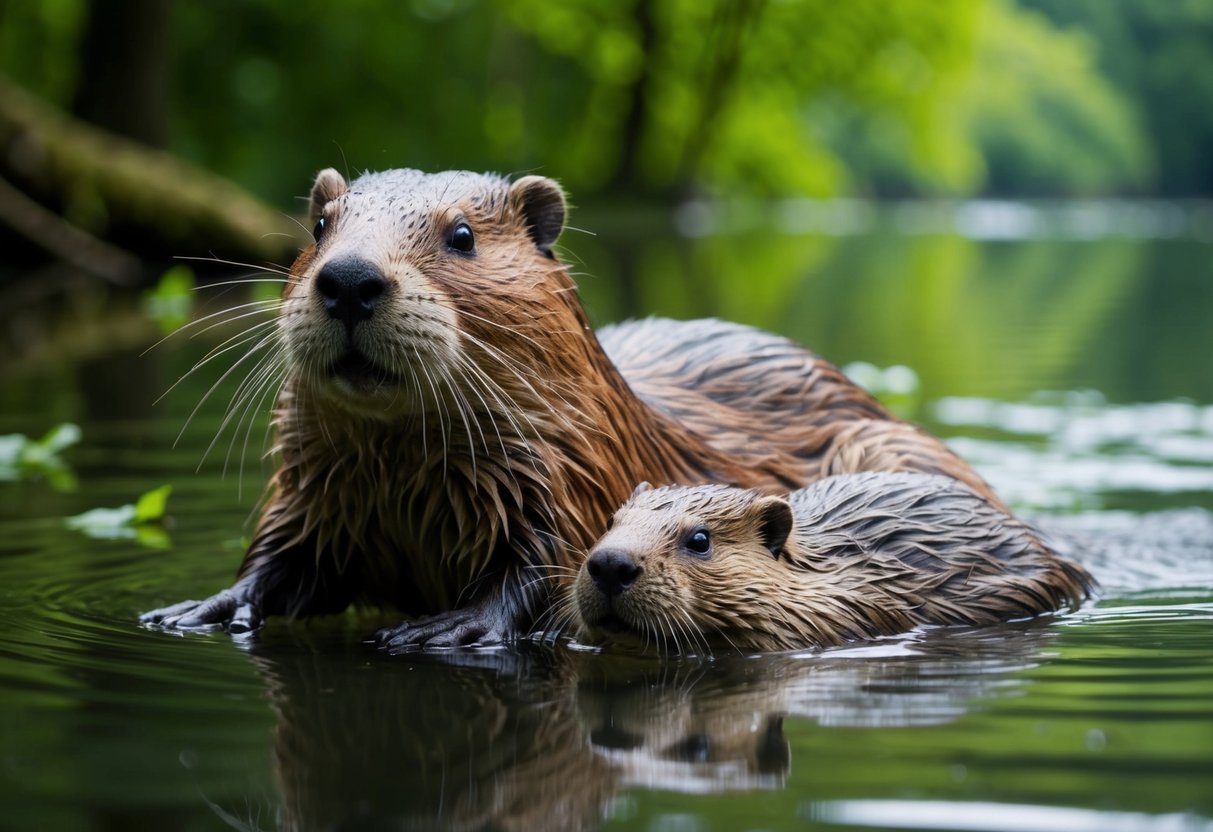
Beavers are known for their strong family bonds. They often live in small groups known as colonies, usually consisting of a breeding pair and their kits.
Male and female beavers are called simply “beavers,” with baby beavers referred to as “kits.” These kits usually stay with their parents for about two years, learning essential skills.
Beavers are hardworking creatures. They are most active during the evening and night, gathering materials to maintain their dams and lodges.
Observing these behaviors can deepen your appreciation for these unique mammals. Their teamwork and dedication are impressive and vital for their communities.
Conservation and History
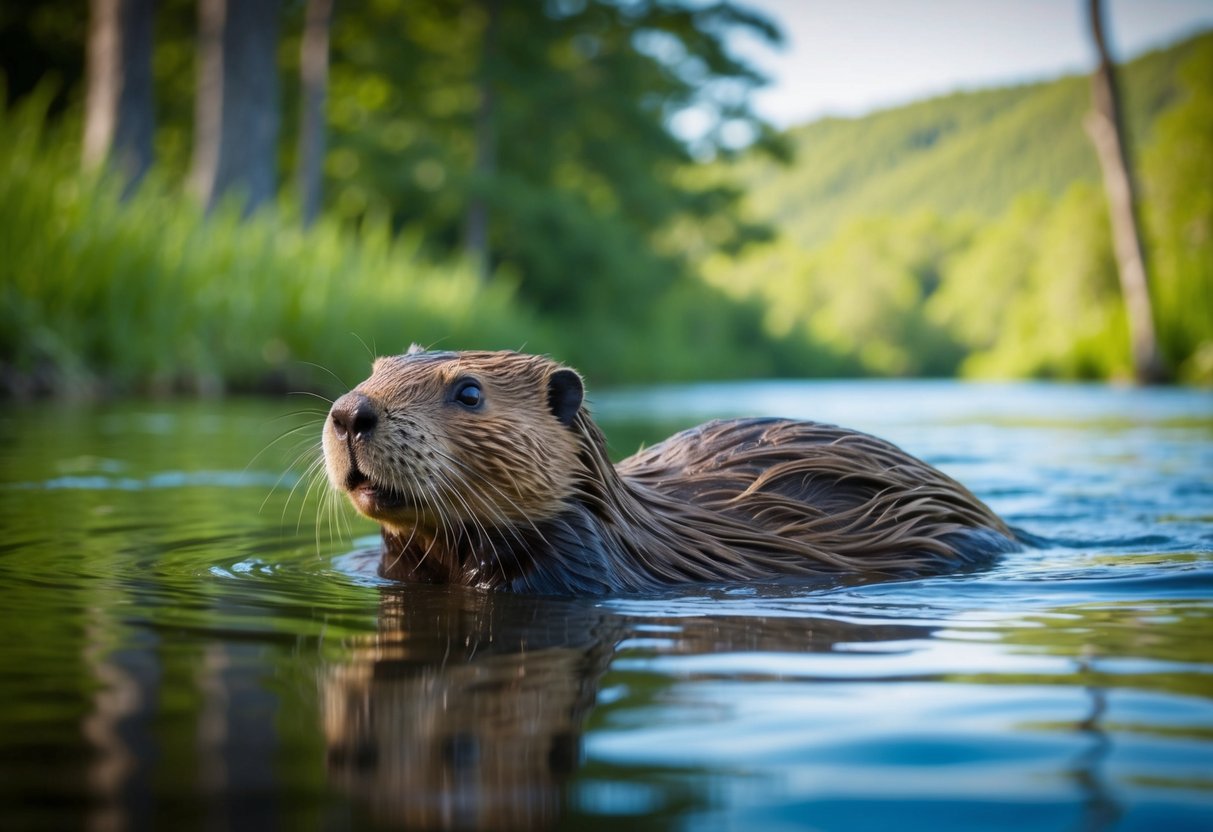
Beavers have played an important role in the ecosystem and human history. Understanding their past, especially concerning fur trading and conservation efforts, gives you insight into their significance.
The Beaver Fur Trade
In the past, beaver fur was highly valued, especially in the 17th and 18th centuries. It was used to make fashionable hats and clothing. As a result, beavers were hunted extensively.
This demand led to a significant decline in their populations across North America. The fur trade was a major industry that affected both wildlife and Indigenous peoples. Many tribes depended on beavers for food and materials.
The fur trade’s impact highlighted the need for conservation measures. Understanding this history helps explain why beavers are often closely monitored today.
Beavers in the 1920s
By the 1920s, the beaver population had decreased sharply due to overhunting. Laws began to change as people recognized the need to protect these animals.
In many areas, hunting regulations were implemented to prevent further decline. Some states even established protected areas to help beaver populations recover.
These efforts were essential for balancing nature and human needs. You can see the effects of these measures today, as beaver populations rebounded thanks to conservation efforts.
Modern Conservation Efforts
Today, conservation organizations work hard to protect beaver populations. Programs focus on habitat restoration and creating awareness about the ecological benefits of beavers.
Beavers help maintain wetlands and prevent erosion, which is vital for animal habitats and water quality.
Efforts include promoting coexistence between humans and beavers to minimize conflicts. By educating communities, these organizations aim to foster a better understanding of beavers’ role in nature.
Your awareness of these conservation efforts can contribute to their success. Supporting local initiatives and respecting wildlife can help ensure a brighter future for beavers.
Comparative Studies
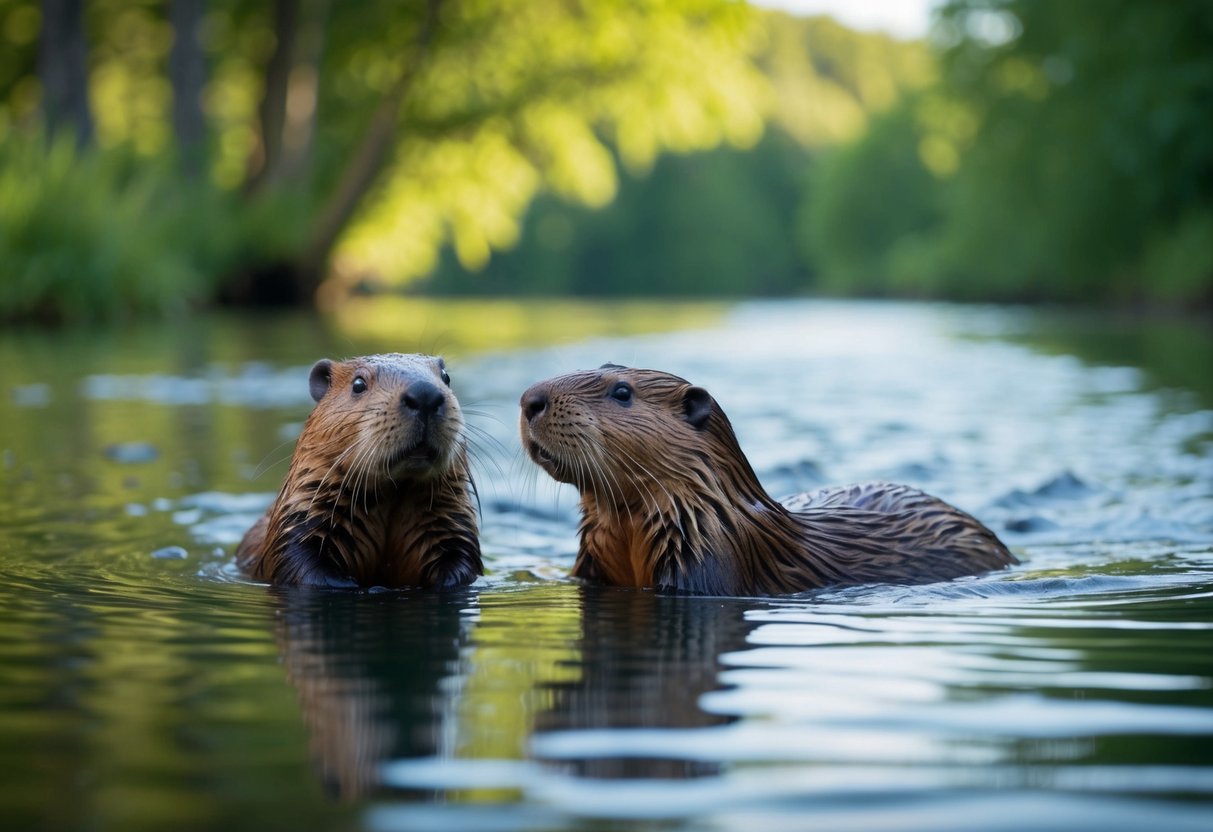
In studying beavers, it’s interesting to compare them with other semi-aquatic mammals. This can highlight unique traits and behaviors. Understanding threats they face, like predation, also helps in grasping their survival tactics.
Beaver and Other Semi-Aquatic Mammals
Beavers share habitats with several semi-aquatic mammals like otters and muskrats. These animals often compete for resources like food and territory.
Beavers are distinct for their ability to modify their habitats by building dams, which creates ponds. This adaptation helps them escape predators and store food.
In contrast, animals like the American mink are smaller and more agile. They hunt in water but do not construct shelters in the same way.
Living in similar environments allows these mammals to share various behaviors, yet each has unique strategies for survival.
Predation by Wolves and Other Threats
Beavers face threats from predators like wolves and coyotes. These predators primarily target young or weaker beavers.
Wolves may patrol near beaver ponds, seeking an easy meal. Beavers need solid dam structures for protection.
Other threats include habitat loss due to urban development and pollution in water bodies.
The beaver’s ability to retreat into their lodges plays a significant role in protecting them from predators. They must stay alert and maintain their environment effectively to minimize risks.


